What Is the Best CNC Laser Cutting Machine in 2026?

Choosing the best CNC laser cutting machine in 2026 is not a matter of selecting the highest wattage. A shop cutting thin stainless panels needs different equipment from a fabricator processing thick carbon steel. Bed size, assist-gas use, cutting speed, software, service access, and operator training all affect the real cost per part. The wrong match can leave a powerful machine underused.

Industry forecasts point to continued demand. Fortune Business Insights’ laser cutting machine market report projects growth through 2032, reflecting wider adoption across manufacturing. Yet market growth alone cannot identify the right machine for your floor. It does not reveal whether a 6-kilowatt fiber laser will earn its keep, or whether a smaller system better suits your workload. Details matter. A clean edge on a 3-millimeter sheet is useful; dependable performance across a full production shift matters more.

This guide compares machine types, key specifications, operating costs, and practical buying considerations. It also looks at where Cnc Laser Cutting fits into modern production, from small job shops to high-volume factories. We weigh published market research against shop-floor realities, including maintenance, material mix, and after-sales support. Some recommendations will depend on local service and actual workload; no single model is best for every buyer. That caveat matters. Before choosing, match the machine to the parts you make, the hours you run, and the support you can reach.
What Is the Best CNC Laser Cutting Machine in 2026?

How CNC Laser Cutting Machines Work

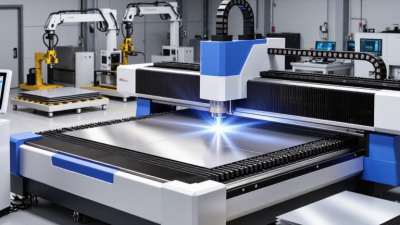
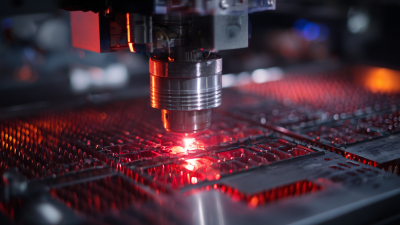
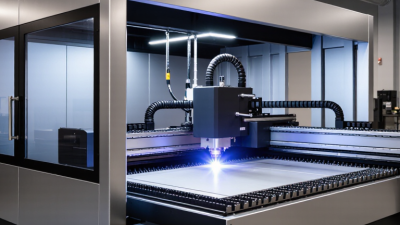
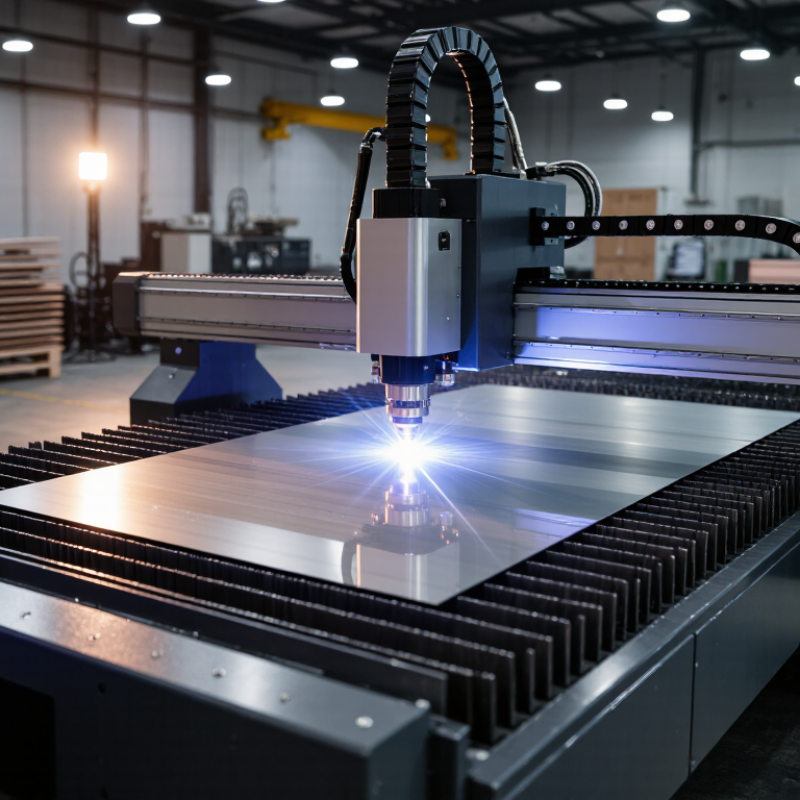
A CNC laser cutting machine turns a digital drawing into a controlled cutting path. The operator sets parameters such as power, speed, and focus, then the controller guides the cutting head across the sheet. At the focal point, concentrated light heats a small area until the material melts or vaporizes. That is the basic idea.

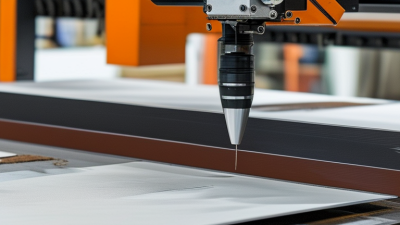
The cutting head moves along programmed lines while assist gas clears molten material from the cut. Gas type and pressure can affect edge quality, especially on thicker sheets. Focus height matters, too: a slightly misplaced beam may leave rough edges or incomplete cuts. A small test piece helps reveal problems before a full sheet is used.

Results depend on more than the machine’s settings. Material thickness, surface condition, and flatness can all change how the beam behaves. Operators inspect the first cut, check dimensions, and adjust the setup when needed. Some settings come from experience, but experience is not a substitute for measurement. Even a clean-looking edge can hide taper or heat damage, so close inspection is worthwhile.

Typical Wavelengths of CNC Laser Sources

Laser wavelength is one factor that affects how a CNC laser interacts with a material. Values shown are typical source wavelengths.

CO₂ lasers typically emit at 10,600 nm, while common fiber and Nd:YAG lasers operate near 1,070 nm and 1,064 nm. Wavelength influences material absorption, but the best machine also depends on the material, thickness, required cut quality, and production needs.

Main Types of CNC Laser Cutters and Their Capabilities

What Is the Best CNC Laser Cutting Machine in 2026?

Main Types of CNC Laser Cutters and Their Capabilities

Choosing a CNC laser cutter starts with the materials and thicknesses you need to process. Fiber lasers are commonly used for cutting sheet metal, including stainless steel and aluminum. They can make clean, narrow cuts at high speeds, especially on thin and medium-gauge stock. CO2 lasers are suited to materials such as wood, acrylic, paper, and some plastics. With the right setup, they can also cut certain thin metals, though performance varies. Diode lasers are compact and often used for engraving or light cutting in wood and similar materials. They are generally less capable on thick stock.

Each type has trade-offs. Fiber systems may need more upfront investment and careful handling of reflective materials. CO2 machines require attention to optics and alignment. Diode units can be useful for small projects, but their cutting speed and depth are limited. A machine that looks powerful on paper may still struggle with your actual material. Test samples matter.

Tips: Compare working area, supported material thickness, extraction, and assist-gas needs before choosing. Ask for a test cut using your material, then inspect the edge and kerf. Keep the sample. Small details count.

Key Factors for Comparing CNC Laser Cutters in 2026

What Is the Best CNC Laser Cutting Machine in 2026?

When comparing CNC laser cutters in 2026, match the machine to your materials, thicknesses, and daily workload. A system suited to thin sheet metal may struggle with thicker stock or long production runs. Compare cutting capacity with your actual parts, not just the largest advertised sample. Check the laser source, motion system, and rated duty cycle. Each affects cut quality, speed, and maintenance needs. That matters.

Look closely at the complete workflow. Does the machine include suitable fume extraction, guarding, and software for your operators? Ask for a sample cut using your material and inspect the edge for dross, discoloration, and taper. Request cycle times for parts like yours. A fast headline speed can be misleading if setup and loading take longer. Also compare service access, spare-part availability, training, and realistic operating costs. I’d be cautious about choosing by power alone; it is easy to overlook how often a machine will run near its limits.

Tips: Bring drawings and material samples to the supplier. Ask what settings were used, and whether the quoted speed includes piercing and handling. Leave room for imperfect estimates; real shop conditions can change the numbers.

Machine Categories for Different Materials and Applications

The best CNC laser cutting machine in 2026 depends less on a single power rating than on the materials and jobs it must handle. For wood, paper, fabric, and many acrylic sheets, a CO2 laser is often a practical category to compare. It can produce smooth edges and detailed shapes, but thick or reflective materials may expose its limits. Keep a close eye on scorching around small corners.

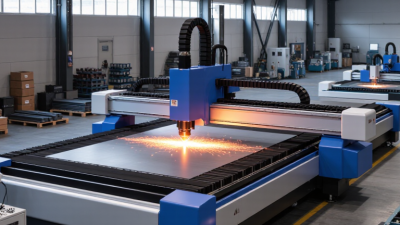
For metal parts, fiber laser systems are commonly used for cutting stainless steel, mild steel, and aluminum. They suit workshops that need repeatable profiles and clean edges across production runs. Sheet thickness, assist gas, and cutting speed all affect the result. A powerful source alone is not enough. Test cuts on the actual material can reveal burrs or heat distortion that a specification sheet misses.

Compact diode machines can fit light-duty work such as engraving or cutting thin wood and coated materials. They are less suitable for fast, deep cuts. UV systems are considered for fine marking and heat-sensitive applications, though their cost and task range may not suit every shop. The categories are not perfectly separate. A buyer should compare sample cuts, extraction needs, bed size, and maintenance demands before choosing. There is no universal winner. A machine that handles a small acrylic sign neatly may struggle with daily metal production.

How to Choose the Best CNC Laser Cutter for Your Needs

Choosing the best CNC laser cutter starts with the materials and thicknesses you expect to process. A machine suited to thin plywood may struggle with thicker stock or reflective metals. Check the manufacturer’s cutting range, but treat published maximums as starting points, not everyday guarantees. Ask what speed and edge quality are realistic for your material. A clean cut matters.

Match the work area to your largest regular project, not an occasional oversized job. Then compare laser type, power, positioning accuracy, and compatible design software. A larger work bed can be useful, but it also takes more floor space and may increase operating costs. Consider ventilation, accessible replacement parts, routine cleaning, and the time needed to align the optics. These details are easy to overlook.

Before committing, request a sample cut using material similar to yours. Inspect the edge, dimensions, and consistency across the sheet. Also check whether the machine can handle your expected daily workload without frequent pauses. A lower purchase price may not mean lower long-term cost if maintenance or setup is difficult. I would still leave room for uncertainty: real results depend on material, settings, and operator skill. Choose a cutter that fits your actual projects, with enough capacity for reasonable growth.

What Is the Best CNC Laser Cutting Machine in 2026? — How to Choose the Best CNC Laser Cutter for Your Needs

Machine Type Best For Materials It Commonly Cuts Main Advantages Key Limitations What to Check Before Buying
Fiber laser sheet cutter Metal fabrication shops and businesses producing sheet-metal parts Carbon steel, stainless steel, aluminum, copper, and brass, subject to machine configuration and material thickness Fast, precise cutting of many conductive metals; generally lower routine optical maintenance than a CO₂ laser system Higher purchase and installation costs than many small-format machines; requires appropriate fume extraction and safety controls Laser power, working area, cutting-head features, assist-gas setup, material-handling needs, electrical supply, and service support
CO₂ laser cutter Sign shops, makers, and manufacturers cutting non-metal sheet materials Acrylic, wood, paper, cardboard, leather, and some plastics; material suitability varies Versatile for many non-metal materials and well suited to engraving as well as cutting Not the usual choice for direct cutting of bare reflective metals; optics and the laser source require maintenance Work area, source power, bed design, extraction, cooling, supported materials, and whether the system is enclosed
Diode laser engraver/cutter Hobbyists and small workshops handling light-duty projects Commonly used on wood, paper, cardboard, leather, and some coated materials; cutting ability depends on power and material Often compact and comparatively accessible; useful for engraving and thinner-material projects Usually slower and less capable for thick stock or production cutting than industrial CO₂ and fiber systems Enclosure and interlocks, extraction, usable work area, focus adjustment, and independently verified cutting performance
UV laser marking/cutting system Precision marking and specialized processing of sensitive or small parts Selected plastics, glass, ceramics, and other materials, depending on the process and machine Short-wavelength processing can produce fine details with limited heat-affected areas in suitable applications Typically a specialized, higher-cost option rather than a general-purpose large-sheet cutter Confirm sample results on the exact material; check work area, pulse characteristics, extraction, and intended production rate
Fiber laser tube cutter Manufacturers cutting pipes, tubes, and structural profiles Metal tubes and profiles, including common steel and aluminum grades, within the machine’s specifications Automates repeatable cutting of tube features, holes, and end shapes with less manual repositioning Designed for tubular stock rather than general flat-sheet work; loading and unloading can require additional space or automation Supported tube shapes and dimensions, chuck configuration, loading length, remnant handling, and integration with downstream processes
Combination sheet-and-tube laser Shops that regularly process both flat metal sheets and tubular stock Metals supported by the installed fiber-laser configuration Can consolidate two types of metal-cutting work in one system and may save floor space compared with separate machines May involve higher complexity and cost; changeover, capacity, and simultaneous workflow depend on the design Check whether sheet and tube functions can operate as needed, the capacity of each mode, changeover time, and material-flow layout

Selection note: There is no single best CNC laser cutter for every buyer. Cutting speed, achievable thickness, edge quality, and operating cost depend on laser power, optics, assist gas, material grade, machine condition, and process settings. Request a cutting test using your own material and thickness, and verify safety, extraction, installation, and service requirements before purchase.