What Is an Industrial Laser Cutting Machine?
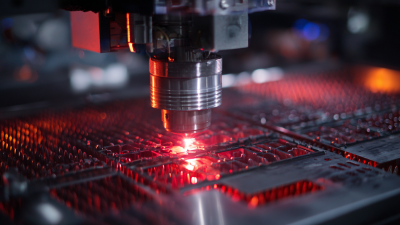
An Industrial Laser Cutting Machine is a precision system that uses a concentrated light beam to cut, pierce, or engrave materials. It is common in metal fabrication, automotive production, appliance manufacturing, and architectural work. The machine directs laser energy through optics, while a moving head follows programmed cutting paths. The beam stays focused.
Modern systems may use fiber, CO₂, or other laser sources. Each type suits different materials, thicknesses, and production goals. Fiber lasers often cut steel, stainless steel, and aluminum efficiently. CO₂ lasers can remain useful for selected nonmetallic materials. Performance depends on power, lens choice, gas pressure, focus position, and material condition.
A reliable explanation must go beyond speed claims. In real workshops, operators inspect edges, measure kerf width, and check heat-affected areas after cutting. A clean sample does not guarantee consistent production. Small errors matter. Incorrect focus can leave rough edges or incomplete cuts. Excessive heat may distort thin sheets. Maintenance, ventilation, guarding, and trained operation also influence results. These details are sometimes overlooked in simplified descriptions.
This guide examines how an Industrial Laser Cutting Machine works, what its main components do, and where it fits in modern manufacturing. It also considers practical limitations, operating costs, material compatibility, and quality control. Readers should compare technical specifications carefully and follow manufacturer instructions. Laser cutting can be highly accurate, but it is not automatically perfect. Good results require suitable equipment, tested settings, regular maintenance, and experienced judgment.
Definition and Core Function of an Industrial Laser Cutting Machine
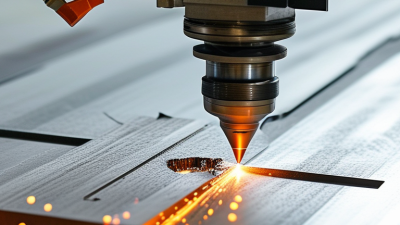
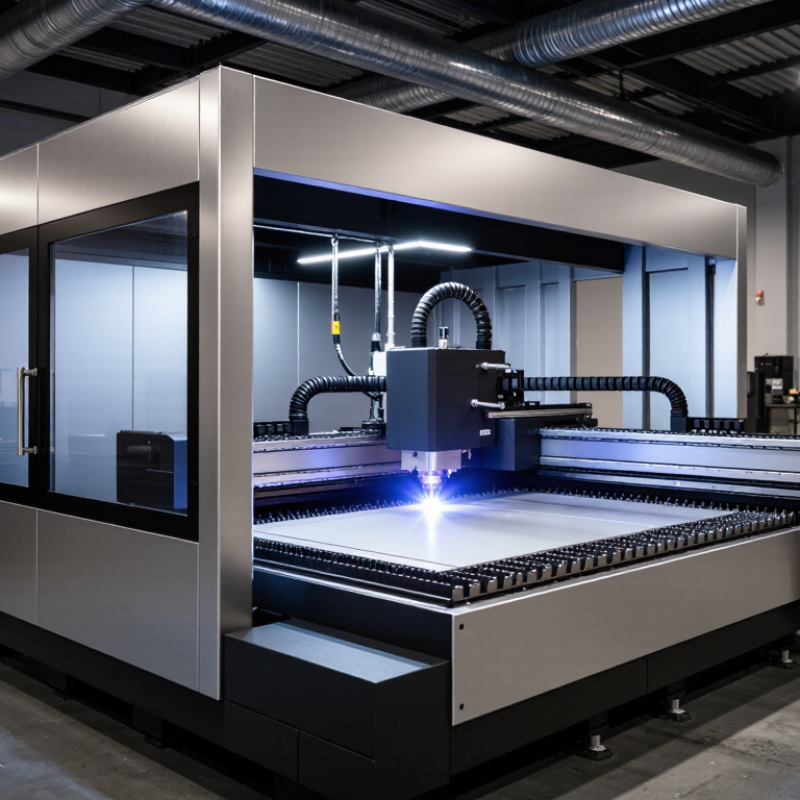
An industrial laser cutting machine is a computer-controlled production system that uses a focused beam of light to cut material. Its core function is precise material removal along programmed paths. Unlike a hand tool, it repeats the same geometry with limited physical contact. The beam may melt, vaporize, or oxidize the workpiece, depending on material and process settings. A steel sheet can emerge with a narrow kerf, clean edges, and small heat-affected zones. That result is not automatic.
The machine combines a laser source, cutting head, motion platform, assist-gas system, and control software. The cutting head maintains focal position and directs gas through a fine nozzle. The gas pushes molten material away and influences edge quality. Operators set power, speed, focus, gas pressure, and pierce timing for each thickness. In practical work, a slight focus error can leave dross beneath the cut. A dirty lens can distort the beam. Small details matter.
Industrial models are used for sheet metal, tube, and selected nonmetal applications. Their value comes from repeatability, flexible programming, and reduced setup for complex profiles. However, laser cutting is not universally ideal. Reflective metals, thick sections, smoke control, and thermal distortion require careful evaluation. A successful process begins with verified test cuts, measured dimensions, and regular maintenance records. Attractive speed claims can hide compromises in edge finish or energy use. The specification sheet is only part of the decision.
Main Components and How the Cutting Process Works
An industrial laser cutting machine combines a laser source, motion system, cutting head, CNC controller, and worktable. The source creates a concentrated beam, often from a fiber or CO2 laser. Mirrors or optical fibers guide that energy toward the focusing lens.
The cutting head narrows the beam to a tiny spot, sometimes below 0.2 millimeters. Assist gas then removes molten material from the kerf. Oxygen can increase heat during mild-steel cutting, while nitrogen usually leaves cleaner edges on stainless steel. The CNC controller follows CAD data and coordinates speed, power, and height. A chiller protects the laser source, while extraction equipment removes smoke and fine particles.
Grand View Research valued the global laser cutting machine market at about USD 5.3 billion in 2023.
Its report also expects strong growth through 2030. That growth reflects demand for faster, automated metal processing. Still, speed alone does not guarantee quality. Poor focus, unstable gas pressure, or a dirty protective lens can create rough edges. I have found that setup discipline often matters more than maximum rated power.
Tips:
Check nozzle alignment before production. Keep the lens clean. Test a small sample first. Record power, speed, gas pressure, and material thickness. These notes make troubleshooting easier, although real workshops rarely stay perfectly consistent.
Types of Industrial Laser Cutting Machines
What Is an Industrial Laser Cutting Machine?
Types of Industrial Laser Cutting Machines
Industrial laser cutting machines use a focused beam to melt, burn, or vaporize material. Their value is visible on the shop floor: narrow kerfs, repeatable holes, and less mechanical contact. The best machine depends on material, thickness, speed, and production volume. MarketsandMarkets reported that the laser cutting machine market could grow from about USD 5.7 billion in 2023 to USD 8.5 billion by 2028. That growth reflects wider use in metal fabrication, automotive production, electronics, and heavy equipment.
Fiber laser machines dominate many sheet-metal applications. They deliver high efficiency and cut reflective metals, including aluminum, brass, and copper, with suitable settings. CO2 laser machines remain useful for thicker nonmetal materials and certain large-format applications. Solid-state and crystal laser systems serve specialized cutting and microprocessing tasks. Some factories combine laser cutting with automation, nesting software, and robotic loading. However, faster is not always better. Heat distortion, assist-gas costs, lens contamination, and operator skill still affect real output. A report from the International Energy Agency highlights industrial efficiency as a continuing manufacturing priority, making energy consumption an important selection factor.
Tips: Test the exact material before purchase. Measure edge quality, piercing time, gas use, and daily maintenance. Ask for samples, not promises. A powerful machine can become an expensive underused asset. Recheck the numbers.
Types of Industrial Laser Cutting Machines
Industrial laser cutting machines are commonly classified by their laser source. CO₂ lasers operate at a wavelength of approximately 10.6 μm, while fiber and disk lasers typically operate near 1.03–1.07 μm. The shorter wavelength of solid-state lasers is readily absorbed by many metals, supporting efficient cutting of sheet metal.
Materials, Applications, and Production Capabilities
An industrial laser cutting machine uses a focused beam to remove material along programmed paths. It can process carbon steel, stainless steel, aluminum, copper, brass, and selected engineering plastics. Each material reacts differently. Reflective metals may require careful power control and stable beam delivery. Plastics can melt, discolor, or release harmful fumes without suitable ventilation.
In production, these machines create brackets, machine guards, electrical enclosures, automotive parts, and architectural panels. A fiber laser often handles thin and medium metal sheets efficiently. Thicker plates may need slower cutting speeds and stronger assist-gas control. Operators inspect the kerf, edge color, and heat-affected zone after trial cuts. Small changes in focus or gas pressure can reduce burrs noticeably. The part may look accurate, yet its edge can still need deburring.
Production capability depends on more than laser power. Bed size, automation, nesting software, material handling, and maintenance all influence output. High-volume work benefits from repeatable loading and consistent sheet quality. Short batches may gain more from fast programming than maximum cutting speed. A rushed setup can create scrap. That matters. Engineers should test critical materials before promising tolerances or cycle times. Even experienced teams sometimes overlook lens cleanliness, warped sheets, or thermal distortion. These practical details shape real production results more than machine specifications alone.
Safety, Maintenance, and Selection Considerations
What Is an Industrial Laser Cutting Machine?
Safety, Maintenance, and Selection Considerations
An industrial laser cutting machine uses a focused beam to cut metal, plastics, or other approved materials. Its speed can hide serious risks. The enclosed cutting area should have working interlocks, guarded access, and clear warning labels. Operators need documented training, suitable eye protection, and approved procedures for each material. Never assume ordinary glasses provide protection. They may not.
Good maintenance is practical, not cosmetic. Inspect lenses, mirrors, nozzles, cooling lines, and extraction filters on a scheduled basis. A small amount of residue can distort the beam or create rough edges. Check unusual noise, unstable power, and weak extraction immediately. Isolate energy before servicing. Keep a written log with dates, measurements, and replaced parts. The log may feel unnecessary during a busy shift. Later, it can reveal a pattern that memory misses.
Selection should match the real workload, not an impressive specification sheet. Compare material types, maximum thickness, bed size, cutting speed, duty cycle, and power requirements. Ask how quickly consumables are available and whether technicians can support the installation. Test representative samples, including narrow slots and repeated cuts. A machine that cuts one thick plate well may struggle with daily mixed production. I would also question optimistic output claims. Actual results depend on material quality, setup, operator skill, and maintenance discipline. Build safety and service costs into the purchase decision.