Why Choose CNC Tools for Global Manufacturing?
Global manufacturing is under constant pressure to produce faster, improve consistency, and control operating costs. Cnc Tools help manufacturers meet these demands through accurate cutting, stable performance, and repeatable results across different production environments.
A properly selected tool can reduce cycle time, limit surface defects, and extend machine uptime. For example, a carbide end mill can maintain a clean edge while machining hardened steel components. Coolant flow, spindle speed, workholding, and tool geometry still matter. The tool alone cannot solve every production problem.
Professor Yoram Koren, a respected manufacturing systems researcher, emphasizes, “The future of manufacturing lies in reconfigurable manufacturing systems.” This principle explains why flexible Cnc Tools are increasingly valuable. Manufacturers need tooling that adapts to changing materials, short production runs, and varied component designs.
Consistency matters most.
In real workshops, small details often decide the outcome. A worn insert may leave visible marks on an aerospace bracket. Poor chip evacuation can interrupt a medical-device production line. An incorrect coating may increase heat and shorten tool life. These examples show why engineering data, operator experience, and supplier support must work together.
Global sourcing also requires careful verification. Buyers should examine material quality, dimensional accuracy, coating performance, testing records, and after-sales service. Certifications can support trust, but they do not replace practical trials. That is an uncomfortable truth.
No single Cnc Tools solution fits every factory. Tool selection should follow the machine, material, tolerance, and production volume. With disciplined testing and honest review, manufacturers can build safer, more efficient, and more resilient machining processes.
What CNC Tools Are and How They Work
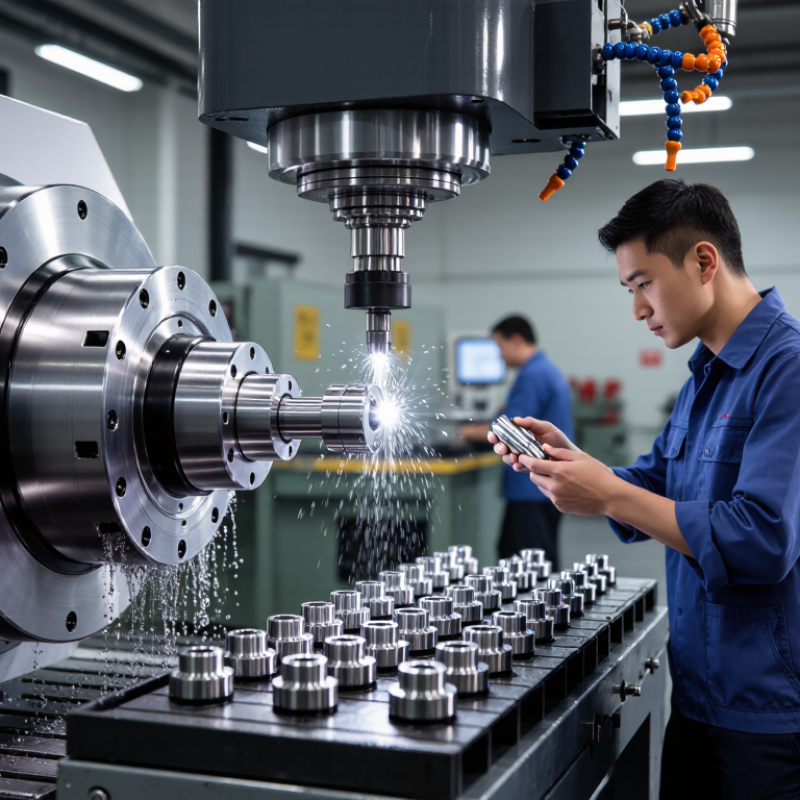
CNC tools are cutting instruments used by computer-controlled machines to shape metal, wood, plastics, and composites. CNC means computer numerical control. A digital design guides each movement along measured X, Y, and Z axes. The machine removes material with rotating tools, such as end mills, drills, or turning inserts. Tool speed, feed rate, and cutting depth must match the material.
In practical manufacturing, accuracy begins before cutting starts. An operator checks the workholding, sets the tool offset, and confirms the programmed coordinates. For example, a small end mill may carve a narrow slot into an aluminum plate. Coolant can reduce heat and carry chips away. However, CNC machining is not automatic perfection. A wrong offset can ruin an expensive workpiece within seconds. Even experienced technicians inspect the first piece carefully and adjust settings when vibration or rough edges appear.
Tips: Choose the tool according to material hardness and feature size. Keep cutting edges sharp, but do not replace tools only by habit. Watch chip shape, surface finish, and unusual sound during operation. These details often reveal problems earlier than measurements. I have found that careful setup usually saves more time than rushing into production. Still, every process deserves review, because a reliable result can hide a weak assumption.
Key Advantages of CNC Tools in Global Manufacturing
CNC tools bring measurable advantages to global manufacturing. Their controlled cutting action supports stable dimensions across repeated production runs. A properly set tool can hold tight tolerances on aluminum, steel, and engineering plastics. Operators can inspect a finished bore with a gauge and compare results against digital drawings. This consistency helps facilities in different countries produce compatible parts.
CNC tools also improve flexibility. A machining center can change cutters for drilling, milling, threading, and finishing operations. Tool presetters reduce setup errors before production begins. Standard holders and documented cutting data make process transfer easier between plants. Less manual adjustment can reduce downtime and material waste. It may also support safer work areas, since operators handle fewer cutting operations directly.
However, CNC tools are not magic. A worn insert can damage a surface within minutes. Poor coolant flow, incorrect speeds, or weak fixturing can ruin an otherwise sound process. Experienced teams monitor tool life, vibration, chip shape, and inspection records. They also review failed parts without hiding inconvenient details. That habit builds reliability. Training still matters. A skilled operator may notice an unusual sound before software reports a problem. Global production becomes stronger when automation, maintenance, quality control, and human judgment work together.
How CNC Tools Improve Quality, Speed, and Production Efficiency
Why Choose CNC Tools for Global Manufacturing?
How CNC Tools Improve Quality, Speed, and Production Efficiency
CNC tools help manufacturers produce consistent parts across different facilities and shifts. Their programmed movements reduce variation in drilling, milling, and cutting operations. This consistency supports tighter tolerances and simplifies quality inspections. Operators can compare measured dimensions with digital drawings and documented process limits. Small deviations still matter. A tool may cut accurately, yet poor workholding can damage the final result.
Production speed improves when machines reduce manual positioning and repeated setup work. Proper tool selection also lowers cutting resistance, heat, and unnecessary wear. In practice, stable cutting produces cleaner edges and fewer rejected parts. Faster cycles are useful, but rushing them can shorten tool life. Production teams should review cutting data, surface finish, inspection results, and maintenance records together. That evidence supports practical decisions instead of optimistic guesses.
Tips: Match each tool to the material and operation. Check runout before precision work. Keep tool offsets updated. Use coolant only when the process requires it. Record tool life by actual cutting hours, not assumptions. Leave room for review. Even experienced teams occasionally overlook vibration, chip evacuation, or a worn holder. Regular checks can reveal these issues before they reduce quality or interrupt delivery.
Why Choose CNC Tools for Global Manufacturing?
How CNC tools improve quality, speed, and production efficiency
This normalized benchmark compares conventional machining with CNC-based production. A value of 100 represents the conventional baseline. CNC tools typically deliver higher output and first-pass quality while reducing setup time and scrap, supporting consistent production across global manufacturing locations.
Benchmark index: higher values are better except for setup time and scrap rate, where lower values indicate better efficiency.
CNC Tool Selection for Different Materials and Manufacturing Needs
Why Choose CNC Tools for Global Manufacturing?
CNC tool selection starts with the material, not the machine speed. In shop-floor trials, aluminum cuts cleanly with sharp, polished flutes and generous chip space. Steel usually needs tougher carbide geometry and controlled heat. Stainless steel punishes hesitation. Its surface can harden when tools rub instead of cut. Keep the tool moving.
For hardened alloys, coated carbide or ceramic may suit stable, high-speed operations, but ceramic dislikes interrupted cuts. Titanium demands low radial engagement, steady coolant, and careful chip evacuation. Plastics need sharp edges and low heat; otherwise, the part melts around the cutter. Wood composites and laminates can splinter, so compression-style geometries often protect the visible surface. Holemaking requires separate judgment. A drill for mild steel may wander in glass-filled material.
Tool selection also depends on tolerance, batch size, and machine rigidity. A small router with visible vibration cannot use the same parameters as a rigid production center. Check tool runout, holder condition, workholding, and coolant delivery before blaming the cutter. I still get this wrong occasionally. A theoretically ideal tool can fail after a worn holder, poor chip removal, or an overly ambitious feed rate. Record cutting data, inspect the edge under magnification, and adjust one variable at a time. That habit makes global production more repeatable across operators, materials, and facilities.
Challenges and Considerations in Global CNC Tool Adoption
Why Choose CNC Tools for Global Manufacturing?
CNC tools support repeatable cutting, precise dimensions, and faster production across international facilities. Yet global adoption is rarely simple. A tool that performs well in one factory may struggle elsewhere. Differences in machine condition, operator training, coolant quality, and material grades can change results. Even small variations may create burrs, vibration, or unexpected tool wear. Production teams should test tools under real cutting conditions, not rely only on catalog specifications.
Communication creates another challenge. Technical terms, measurement systems, maintenance habits, and quality expectations may differ between sites. Spare parts can also require long shipping times. This makes local inventory and documented replacement procedures important. A reliable evaluation should compare tool life, surface finish, cycle time, and total operating cost. Purchase price alone is misleading. I would not pretend every rollout will be smooth. Early data may expose weak assumptions, and those findings deserve honest review.
Tips: Begin with a controlled pilot on one machine and one material. Record cutting speed, feed rate, coolant flow, and failure symptoms. Train operators with clear images and short instructions. Keep approved settings accessible near the machine. Review results with local technicians, because their practical observations may reveal problems that test reports miss. Leave room for adjustment. Standardization helps, but rigid rules can fail when conditions change.