Why Choose CNC Cutting for Your Projects?
Cnc Cutting gives project teams a controlled way to turn digital designs into accurately shaped parts. A cutting machine follows programmed paths, helping produce repeatable edges in materials such as sheet metal, wood, acrylic, and selected plastics. The exact process depends on the material, thickness, finish, and machine setup. A clean result starts well before the machine runs.
For example, a workshop making aluminum panels may use CNC cutting to create matching openings for switches and fasteners. A furniture maker might cut cabinet components from sheet goods, where consistent dimensions simplify assembly. These gains are practical, but not automatic. Tool selection, cutting speed, material condition, and design tolerances all affect the finished part. Even a small error in a drawing can appear across an entire batch.
Details matter.
This guide explores why CNC cutting suits many projects, how it compares with manual methods, and which factors to review before choosing a service or machine. It also considers cost, material limits, and design preparation, since speed alone does not determine value. CNC cutting is not the right answer for every shape, quantity, or budget. That is easy to overlook when precision sounds like a complete solution. Careful planning, clear specifications, and inspection of sample parts help set realistic expectations and support dependable results.
What CNC Cutting Is and How the Process Works
Why Choose CNC Cutting for Your Projects?
What CNC Cutting Is and How the Process Works
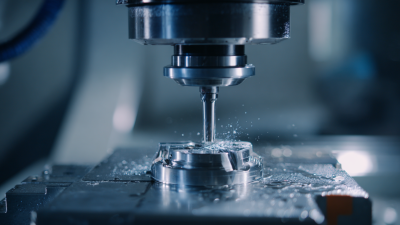
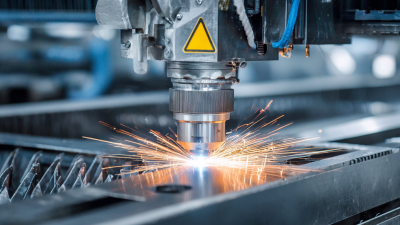
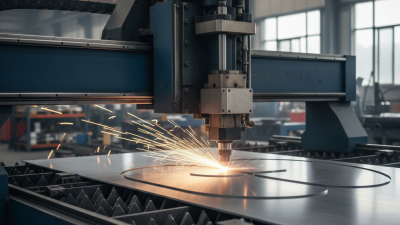
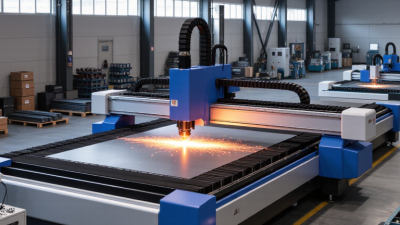
CNC cutting uses computer-controlled tools to shape or separate material from a digital design. A designer prepares a CAD file, and software converts its geometry into toolpaths the machine can follow. The operator secures the sheet or block, selects a suitable cutter, and checks settings such as speed and cutting depth. The tool then moves along programmed coordinates to create the required shape. Depending on the machine and material, cutting may use a rotating bit, laser, or water jet. It is precise, but not magic.
Tips: Check that your drawing uses the correct units and shows material thickness. Leave room for the cutter’s kerf, the narrow amount of material removed during a cut. A test cut can reveal fit or edge issues before a full sheet is used.
CNC cutting is useful for prototypes, panels, brackets, and repeated parts. Accuracy depends on more than the digital file: material condition, tool wear, and secure fixturing all matter. Before production, confirm dimensions and tolerances with the operator. Very tight tolerances can increase setup time and cost. A small detail is easy to miss: internal corners may not be perfectly sharp when a round tool is used. In practice, a first cut can expose a design flaw, so a modest revision may be needed.
Materials and Project Types Suited to CNC Cutting
CNC cutting suits projects where dimensions, repeatability, and material choice matter.
Aluminium is popular for lightweight brackets, enclosures, and machine plates; mild steel works well for sturdier frames and fixtures. Stainless steel is useful for damp or frequently cleaned environments, though it generally needs slower cutting and stronger tooling. Acetal and HDPE machine into low-friction guides, spacers, and protective parts. Acrylic and plywood suit clear panels, signs, and furniture components. Small details matter.
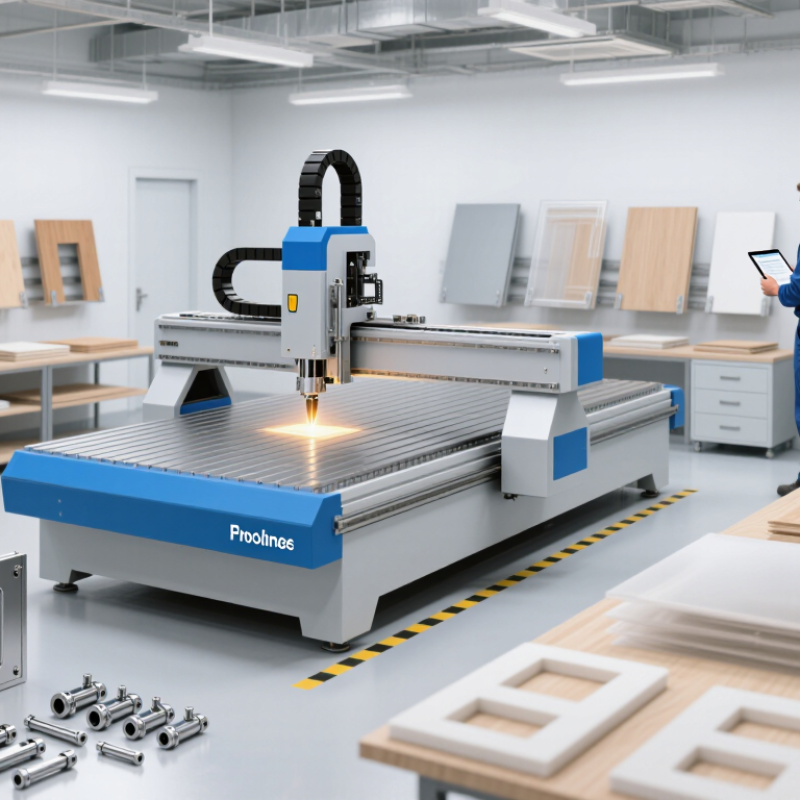
For sheet projects, CNC routers, mills, and plasma cutters handle different material ranges and edge requirements. A router can leave a clean profile in plywood, but thin acrylic may chip or melt if feeds and tooling are poorly matched. Steel edges may need deburring. Budget for that.
Material sourcing also matters. The International Aluminium Institute reports that recycled aluminium uses about 5% of the energy required for primary production. That can make aluminium offcuts valuable, provided alloys are kept identifiable. Mixed scrap is harder to sort. Recycled stock may not suit every finish or tight tolerance, either. For a prototype, test a small sample first; tool marks and heat can surprise you.
How CNC Cutting Improves Precision and Repeatability
Why Choose CNC Cutting for Your Projects?
How CNC Cutting Improves Precision and Repeatability
CNC cutting turns a digital drawing into controlled tool movements, helping parts match their specified dimensions. The machine follows the same programmed path for each piece. That matters. On a cabinet run, for example, evenly spaced holes and matching panel edges make assembly smoother. Small differences add up.
Repeatability depends on more than the program. The material must sit flat and stay secure, while the correct tool and cutting speed help limit rough edges. A dull bit can leave a wider cut or burn marks, even when the file is unchanged. Operators check the first piece with calipers, then monitor later cuts for drift. It is practical quality control, not needless caution.
CNC cutting can also reduce variation across batches, especially when parts share one setup. Still, it is not magic. Warped plywood, shifting stock, or an incorrect measurement can reproduce the same mistake again and again. A test cut is often worth the extra material. Some projects also need hand finishing, since precision at the machine does not guarantee a perfect fit after assembly. The honest choice depends on the part, the material, and the tolerance it must meet.
Why Choose CNC Cutting for Your Projects? — How CNC Cutting Improves Precision and Repeatability
| CNC Cutting Method |
Typical Dimensional Accuracy* |
How It Supports Repeatability |
Key Factors Affecting Results |
Common Applications |
| Laser cutting |
About ±0.1–0.2 mm for suitable materials and setups |
Computer-controlled motion and stored toolpaths help reproduce the same geometry across a production run. |
Material type and thickness, focus, machine condition, heat effects, and part size. |
Sheet-metal components, brackets, panels, and detailed profiles. |
| Waterjet cutting |
About ±0.1–0.3 mm, depending on the machine and cutting conditions |
Programmed paths provide consistent outlines without a heat-affected zone from the cutting process. |
Material thickness, abrasive flow, cutting speed, nozzle condition, and taper compensation. |
Thick plate, composites, stone, and heat-sensitive materials. |
| Plasma cutting |
About ±0.5–1.5 mm for many standard applications |
Automated torch movement reduces variation compared with manual cutting, especially for repeated profiles. |
Plate thickness, torch height, consumable condition, cutting speed, and thermal distortion. |
Structural steel parts, plates, frames, and larger metal profiles. |
| CNC routing |
About ±0.1–0.3 mm in suitable materials and setups |
Saved programs and controlled tool movement make repeated panels and routed features more consistent. |
Tool diameter and wear, workholding, material movement, machine calibration, and feed rate. |
Wood panels, plastics, sign components, and non-ferrous sheet materials. |
*These figures are indicative shop-floor ranges, not guaranteed specifications. Achievable tolerances vary with the machine, material, thickness, part geometry, and inspection method. Confirm the required tolerance with the cutting provider before production.
Common Applications Across Industries
Common Applications Across Industries
CNC cutting serves industries that need repeatable shapes, clean edges, and predictable fit. In automotive workshops, it produces sheet-metal brackets, dashboard panels, and prototype enclosures. A slot that misses its position by even a few millimeters can complicate assembly, so digital drawings and careful setup matter.
Aerospace suppliers use CNC-cut panels and interior components, often from lightweight metals or engineered plastics. Medical equipment makers cut covers, trays, and instrument housings, where smooth edges support easier cleaning. Electronics manufacturers rely on precise openings for switches, ports, and ventilation. Small details matter. On a control panel, a poorly placed port can make a finished product awkward to use.
Construction and architecture offer another clear application. CNC-cut metal screens, cladding panels, and signage can follow detailed patterns while keeping repeated pieces consistent. Furniture makers also use the process for fitted panels and decorative parts. Material choice still deserves attention: a design that works well in aluminum may behave differently in acrylic or plywood. Cutting is not magic. Heat, tool wear, and clamping can affect the result, and complex shapes may need a test piece before full production. Even experienced teams can overlook a small drawing revision; checking the latest file is a simple step, but one worth repeating.
Factors to Consider When Choosing CNC Cutting
Why Choose CNC Cutting for Your Projects?
Factors to Consider When Choosing CNC Cutting
CNC cutting suits parts that need repeatable dimensions, clean edges, or detailed shapes. The right process still depends on the job. Start with the material and its thickness. A 3 mm acrylic sheet behaves differently from 3 mm aluminum, especially around tight corners. Ask how the cutter handles heat, burrs, and edge finish. These details can affect assembly later. That matters. Also confirm the achievable tolerance rather than assuming every machine can hold the same accuracy.
Consider part size, order quantity, and file quality. A design that fits a small bed may need repositioning on a larger sheet, adding time or visible joins. For a short run, setup charges may outweigh a low per-part price. Request a sample cut or review comparable work when finish is critical. Clarify delivery time and whether deburring or protective-film removal is included. Small details count. Even a careful drawing can miss a tool-radius limitation, so leave room for revision. It may feel inefficient, but checking one test piece can prevent a whole batch of awkward fits.