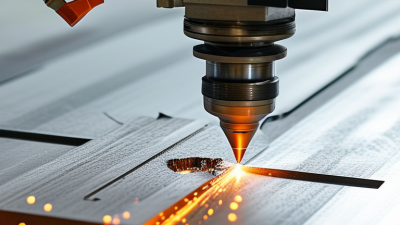
What Are the Top 10 CNC Tube Cutting Machines for Buyers?

Choosing from the top 10 CNC tube cutting machines is not just a matter of comparing prices or advertised speeds. A Cnc Tube Cutting Machine must suit the materials, tube profiles, and production volumes you actually handle. Round, square, and rectangular tubes can place different demands on feeding, clamping, and cutting systems.

This guide compares machines through practical buying criteria: supported tube diameter, material compatibility, cutting accuracy, loading options, software, maintenance access, and technical support. Look closely at sample cuts, too. A clean edge and consistent dimensions can matter more than a headline speed that rarely reflects your shop floor. Ask suppliers how specifications were measured and whether demonstrations use material similar to yours.

Small details matter. A machine may perform well on thin-walled steel but need different settings for thicker sections or stainless steel. Automated loading can reduce manual handling, yet it also adds setup needs and cost. Not every machine fits.

The list is a starting point, not a universal verdict. Product configurations, availability, and service coverage can change, so verify current details directly with manufacturers or authorized suppliers. Consider your operators, facility space, and expected workload before deciding. Even a strong shortlist can miss something: buyers sometimes underestimate training time or the effort required to maintain reliable cuts. Comparing these factors helps you identify a machine that fits real production needs, rather than one that looks impressive on paper.
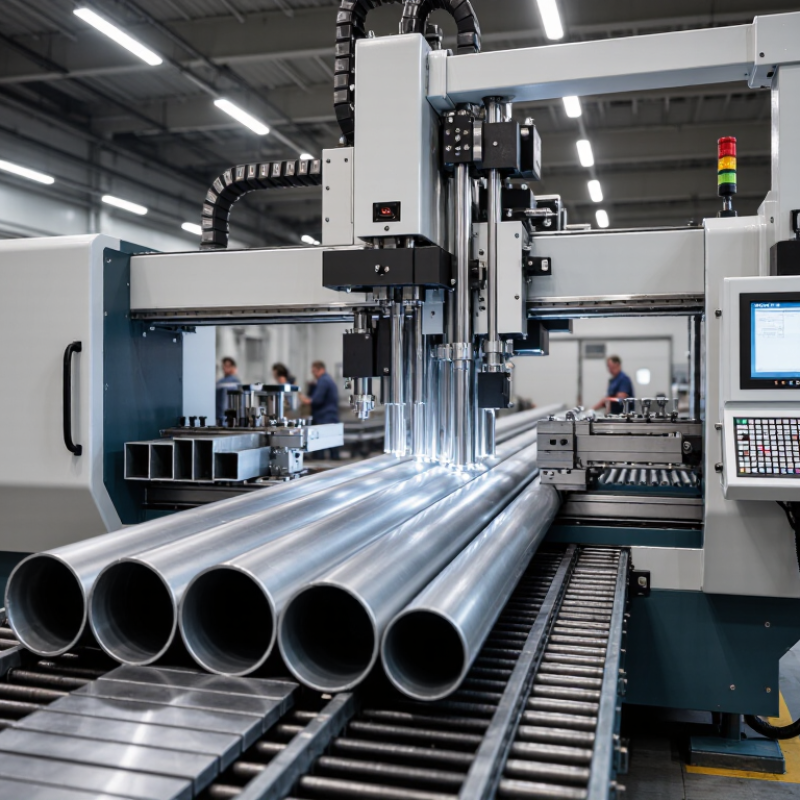
What Are the Top 10 CNC Tube Cutting Machines for Buyers?

How CNC Tube Cutting Machines Work

How CNC Tube Cutting Machines Work

A CNC tube cutting machine turns a digital part drawing into controlled movements around a tube. Software converts the drawing into a toolpath, including cut positions, angles, and rotations. The operator loads the tube into a chuck and sets the material dimensions. Clamps hold it steady while a rotary axis turns it beneath the cutting head. Small errors matter.

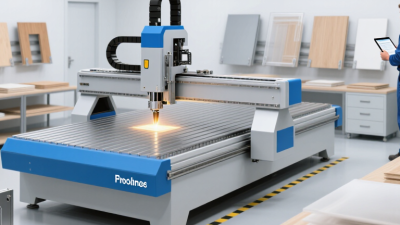
The cutting method depends on the machine and material. A laser head can make narrow, detailed cuts; a saw or plasma system may suit different thicknesses and production needs. During operation, the controller coordinates the tube’s rotation with the head’s movement. It also follows programmed feed rates, which affect edge quality and cycle time. A clean drawing helps, but it cannot correct a poorly secured tube.

Before a full run, experienced operators often check the first part against the drawing. They inspect hole positions, cut angles, and burrs, then adjust settings if needed. Tube ovality, wall thickness, and worn tooling can all change the result. This is easy to underestimate. Even a well-programmed machine may need a test cut, especially when the material batch varies. Regular calibration and clear setup notes make repeat jobs more dependable.

Key Technologies Used in CNC Tube Cutting

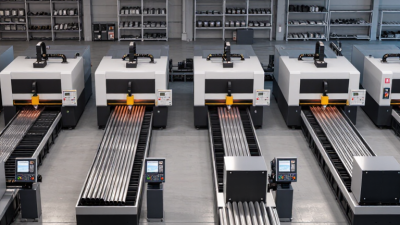
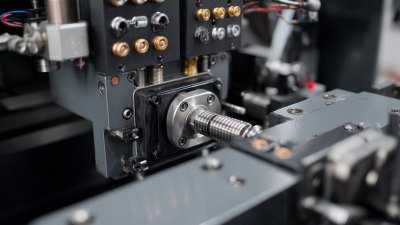
CNC tube cutting machines combine several technologies to turn long stock into precise parts. A fiber laser can cut stainless steel, aluminum, and carbon steel with a narrow kerf and limited heat distortion. The cutting head adjusts focus as wall thickness changes. Rotary chucks grip and turn the tube, while the CNC controller coordinates rotation, feed rate, and laser movement. Small errors matter.

Modern systems also use tube-specific CAD/CAM software. Operators can model round, square, or rectangular profiles, then nest parts to reduce offcuts. A camera or sensor may locate the weld seam before cutting, helping keep holes and slots away from weak areas. Automatic loading and unloading reduce manual handling, but they need careful setup. A crooked tube can still cause poor results.

Tips: Ask for a test cut using your actual tube size, material, and wall thickness. Check hole position, edge quality, and repeatability across several parts. Review the machine’s chuck range and software workflow, not just its advertised speed. Speed is not everything. I would also leave time for operator training; even good automation can feel fussy during the first few production runs.

Criteria for Comparing CNC Tube Cutting Machines

What Are the Top 10 CNC Tube Cutting Machines for Buyers?
Criteria for Comparing CNC Tube Cutting Machines

Compare machines against the tubes you actually produce, not just headline speed. Check the workable diameter range, wall thickness, cut length, and material compatibility. Ask how accuracy is measured and whether it holds across a full shift. A clean cut on a short sample proves little. Numbers need context.

Also assess loading time, changeover steps, software compatibility, extraction, and service response. The 2024 Smart Manufacturing and Operations Survey by Deloitte and MAPI found that 86% of surveyed manufacturing executives viewed smart manufacturing as a key competitiveness driver over the following five years. That broad finding is not a promise of savings from any single cutter. It does make control-system integration and production data worth checking. Ask for cycle-time records from comparable tube sizes, then verify them with your own parts.

Tips: Bring a drawing and a real tube sample. Test a thin-wall section, a tight-radius feature, and a routine cut. Check burrs by touch and measure the finished part. Test the awkward part. A polished demo may not reveal the setup time your operators face.

What Are the Top 10 CNC Tube Cutting Machines for Buyers? - Criteria for Comparing CNC Tube Cutting Machines

The configurations below are common machine types, not a ranking of specific products. Capability figures are indicative market ranges; actual limits depend on the machine design, material, tooling, and selected options. Confirm specifications and sample-cut results with the supplier before purchasing.

No. Machine Configuration Typical Cutting Process Indicative Tube Capacity Typical Workpiece Length Common Axis Setup Best-Suited Materials and Jobs Key Buyer Criteria Main Trade-Off
1 Compact laser tube cutter Fiber-laser cutting Round tube: approximately 10–60 mm diameter; square tube: approximately 10–50 mm across Typically 3–6 m 3–4 axes Thin-wall steel, stainless steel, and aluminum for small parts, furniture, and light fabrication Check the minimum tube size, loading method, laser power, and whether small offcuts can be handled safely. Smaller footprint and lower entry cost, but limited capacity for large or heavy profiles.
2 General-purpose laser tube cutter Fiber-laser cutting with automatic rotation and feed Round tube: approximately 20–120 mm diameter; square tube: approximately 20–100 mm across Typically 6–9 m 4 axes Carbon steel and stainless-steel structural, commercial, and industrial components Compare chuck range, bundle-loading options, automatic nesting, supported profiles, and cutting performance at the intended wall thickness. Versatile for mixed production, but the broad capacity may not be optimal for very small or very large tubes.
3 Large-diameter laser tube cutter Fiber-laser cutting with heavy-duty chucking Round tube: approximately 120–350 mm diameter; capacity varies substantially by design Typically 6–12 m 4–5 axes Large structural tubes, heavy-wall pipe, and infrastructure components Verify maximum tube mass, chuck gripping range, support-roller arrangement, loading equipment, and the required foundation and floor space. Handles large workpieces but needs more space, material-handling capacity, and investment.
4 High-power laser tube cutter Higher-output fiber-laser cutting Often designed for medium-to-large profiles; capacity depends on the chuck and frame configuration Typically 6–12 m 4–5 axes Higher-throughput cutting and thicker sections in carbon steel, subject to the process and machine specifications Compare demonstrated cut quality, thickness capability by material, gas consumption, duty cycle, and extraction requirements—not power rating alone. Can improve throughput on suitable jobs, but may raise operating costs and is not automatically faster for every profile.
5 Bevel-capable laser tube cutter Laser cutting with tilting or multi-axis bevel head Commonly available in medium and large tube ranges; confirm the bevel head's usable envelope Typically 6–12 m 5–6 axes Pipe ends, weld-preparation features, angled cuts, and parts requiring bevels Request sample cuts showing the required bevel angle, edge quality, corner behavior, and achievable accuracy on the actual material. Can reduce secondary beveling work, but adds programming complexity and may reduce speed on some cuts.
6 Multi-profile laser tube cutter Fiber-laser cutting with configurable supports and chuck controls Typically covers round, square, rectangular, and selected open profiles within a defined size range Typically 6–12 m 4–5 axes Job shops processing several tube shapes and frequent product changes Confirm compatibility with angle, channel, and other open sections; ask how profile orientation and support are controlled. Offers flexibility, but open or irregular sections may need careful setup and may not run as quickly as standard tube.
7 High-speed production tube cutter Laser cutting with rapid chuck rotation and automated feeding Usually optimized for a defined small-to-medium profile range Typically 6–9 m 4 axes Repeat orders, high-volume furniture parts, frames, and standardized components Evaluate cycle time using a representative part, including loading, unloading, piercing, sorting, and changeover. High output depends on stable, repeatable work; frequent variation can reduce the productivity advantage.
8 Automatic bundle-loading tube cutter Laser cutting with bundle loader and automatic feeding Varies by machine; commonly configured for standard production tube sizes Typically 6–12 m 4 axes with automated material handling Long production runs where reducing manual loading is valuable Check bundle size and weight limits, tube separation reliability, loader footprint, and how the system handles mixed or bent stock. Reduces manual handling, but requires compatible material preparation and additional floor space.
9 CNC saw-based tube cutting machine Cold-saw or band-saw cutting with CNC length positioning; drilling or end finishing may be optional Available for small through large sections, depending on saw capacity and clamping design Typically configured for bar stock; feed length depends on the machine Length-feed axis, with optional secondary axes Square, rectangular, and round stock requiring accurate straight cuts, especially where laser-cut features are unnecessary Compare cut-angle capability, blade life, burr control, clamping, feed accuracy, and whether secondary operations are integrated. Often suitable for straightforward cut-to-length work, but does not provide the intricate contours of a laser cutter.
10 CNC plasma tube cutter Plasma-arc cutting, often with rotary tube positioning Commonly used for medium and large conductive-metal profiles; capacity is machine-specific Typically 6–12 m 4–5 axes Structural steel and thicker conductive sections where plasma edge quality is acceptable Assess kerf width, heat-affected zone, edge finish, consumable costs, extraction, and the tolerance required by downstream assembly. Can suit heavier structural work, but generally produces a wider kerf and rougher edge than precision laser cutting.

Ten CNC Tube Cutting Machines and Their Distinctive Features

What Are the Top 10 CNC Tube Cutting Machines for Buyers?

A compact single-chuck laser cutter suits short tubes and limited floor space, though frequent repositioning can slow longer jobs. Dual-chuck models grip both ends, helping control slender stock during cutting. Multi-chuck machines add support for complex feeds and long tubes, but require more setup. A 2D fiber-laser cutter makes clean, straight cuts in many metal profiles. Check its rated material thickness against your actual workload.

A 3D bevel laser cutter can produce angled edges for weld preparation. Heavy-duty, large-diameter models use stronger supports and chucks for oversized pipe. High-speed flying-cut laser systems keep the tube moving through selected operations, which can improve throughput on repeat runs. CNC cold saws offer consistent, square cuts with little heat discoloration. Blade choice matters.

CNC bandsaws handle varied diameters and are useful for batch cutting, but cut speed and finish depend on the blade and material. CNC plasma tube cutters suit thicker structural sections, where a wider kerf and heat-affected edge may be acceptable. Ask suppliers to run your own tube dimensions, wall thickness, and drawing files. A polished sample is helpful, but it does not show every loading delay or setup issue. I would compare complete production cycles, not just cutting speed.

How to Choose a Machine for Your Production Needs

A useful CNC tube cutting machine starts with your actual workload, not its maximum advertised speed. List the tube materials, outside diameters, wall thicknesses, and lengths you run each week. A line cutting thin stainless steel tube may need different support and cutting parameters from one handling thick structural steel. Fit matters.

Check the machine’s cutting method against the features you need, such as straight cuts, mitres, slots, and holes. Ask suppliers to process samples matching your material and dimensions. Inspect the cut edges, heat effects, burrs, and repeatability; a clean-looking sample is not enough if the next ten parts vary. Test real parts. Confirm the stated tolerance under conditions close to your production setup.

Consider loading, unloading, and changeover time alongside cutting speed. Automatic feeding may help with long, repeated runs, while a simpler setup can suit short batches with frequent design changes. Review chuck capacity, remnant length, programming workflow, operator training, and access to replacement components. I would not choose from a brochure alone; I once underestimated setup time, and the faster cycle did not make up for it. Compare total costs, including tooling, maintenance, floor space, and downtime. Ask for a practical demonstration and a written service plan before deciding.