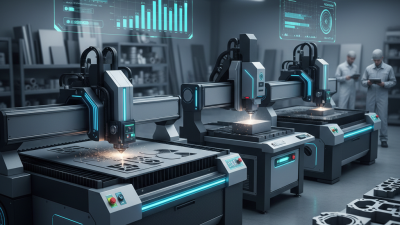
What Is a Metal Cutting Machine and How Does It Work?

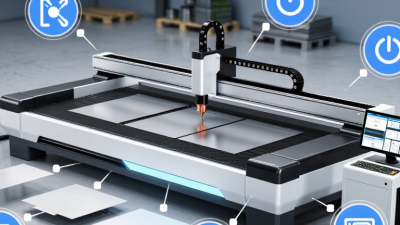
A Metal Cutting Machine removes, separates, or shapes metal with controlled force and precision. It may use a rotating blade, abrasive wheel, laser beam, plasma arc, or high-pressure water jet. Each method responds differently to metal thickness, hardness, geometry, and required accuracy.

In a workshop, the process can look simple: a steel sheet is positioned, clamped, and marked before cutting begins. Yet the machine must coordinate speed, pressure, heat, and tool movement. A CNC system follows programmed paths, while sensors and operators help maintain stable results. The cutting tool creates a narrow kerf, but heat can still distort thin materials or harden an edge. Small errors matter.

This guide explains what metal cutting machines are and how they work. It compares common machine types, cutting methods, essential components, and practical applications. You will also learn how operators select cutting parameters, inspect finished edges, and reduce waste. Experience shows that the fastest setting is rarely the best setting. A clean cut may require slower movement, stronger clamping, or a sharper tool.

Safety remains central. Operators should use suitable eye protection, guarding, ventilation, and training for the specific equipment. Manufacturer instructions and local workplace requirements should guide every operation. No machine is completely foolproof. Careful setup still matters. Understanding the working principle helps users choose equipment responsibly and recognize when a cut needs adjustment, inspection, or professional support.
What Is a Metal Cutting Machine and How Does It Work?

What Is a Metal Cutting Machine?

What Is a Metal Cutting Machine?

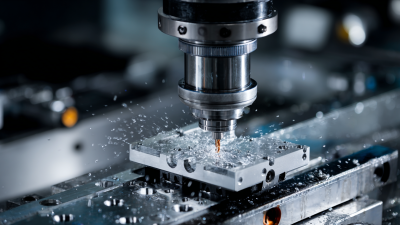
A metal cutting machine removes unwanted material from a workpiece. It creates a specified shape, size, or edge. Common examples include band saws, laser cutters, plasma systems, waterjet machines, and computer-controlled milling equipment. Each machine uses a different cutting principle. Blades apply mechanical force, while lasers use concentrated heat. Waterjet systems use pressurized water and abrasive particles.

The cutting process usually follows four steps: securing the material, setting the cutting path, applying controlled energy, and removing chips or residue. In a workshop, operators check material thickness, hardness, cutting speed, and tool condition. A small error in speed can leave burrs, burn marks, or uneven edges. That detail matters more than impressive machine specifications.

Industry data shows why these systems increasingly connect with automation. The International Federation of Robotics reported 541,302 industrial robots installed worldwide in 2023, in its World Robotics 2024 report. However, that figure does not mean every cutting line needs a robot. The U.S. Department of Energy’s Better Buildings initiative also identifies manufacturing as a major energy-consuming sector, so cutting efficiency deserves careful measurement. Energy use, scrap rate, maintenance time, and dimensional accuracy should be recorded together. One weakness remains: cutting performance can change with material batches, operator skill, and poor calibration. Real production data is often less neat than a brochure suggests.

What Is a Metal Cutting Machine and How Does It Work?

Metal cutting machines remove material through focused heat, a high-velocity gas jet, mechanical force, or abrasive water. The chart shows representative minimum and maximum carbon-steel thickness ranges commonly associated with major cutting methods. Actual capacity depends on machine power, material grade, cut quality, and operating conditions.

How Does a Metal Cutting Machine Work?

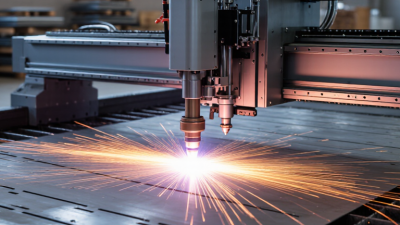
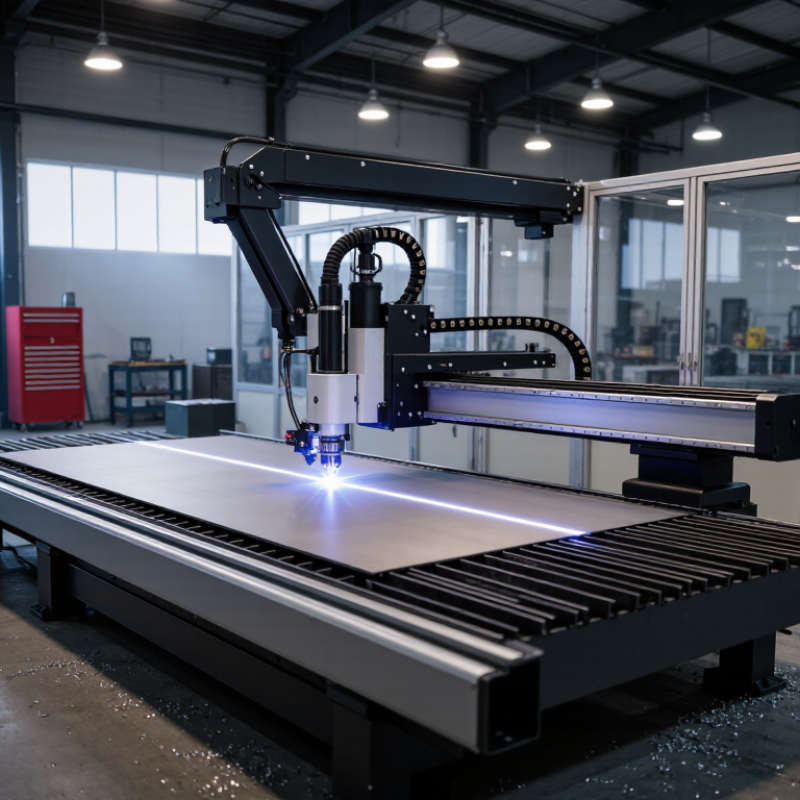
A metal cutting machine removes material along a programmed cutting path. Its working principle depends on the cutting method. A bandsaw uses toothed steel blades and steady friction. A laser machine concentrates light into a narrow, high-energy beam. Plasma equipment creates an electrically heated gas jet, while waterjet systems use extreme water pressure with abrasive particles. The selected method affects edge quality, speed, heat, and operating cost.

According to the World Steel Association’s 2024 World Steel in Figures report, global crude steel production reached about 1.892 billion tonnes in 2023. That scale demands repeatable cutting, not manual guesswork.

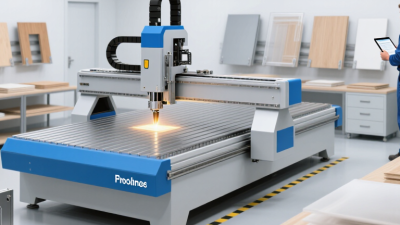
In a typical CNC machine, the operator loads a digital drawing. The controller converts coordinates into motion commands. Motors then move the cutting head or worktable along the X, Y, and Z axes. Sensors monitor position, while software regulates feed rate and cutting power.

The process is more sensitive than it looks. A laser may leave a heat-affected zone beside the cut. A bandsaw can drift when blade tension is poor. Operators check nozzle distance, material thickness, kerf width, and assist-gas pressure before production.

ISO 230-2 provides methods for evaluating machine-tool positioning accuracy, which supports reliable inspection practices. In practice, the first cut is rarely perfect. That assumption can fail. Slight vibration, dirty optics, or incorrect feed settings can change the edge within seconds.

What Are the Main Types of Metal Cutting Machines?

Metal cutting machines remove or separate metal through force, heat, or a focused energy stream. Their selection depends on thickness, tolerance, edge quality, and production volume. A 2024 Grand View Research report estimated the global metal cutting machine market at about USD 7.6 billion in 2023. That scale reflects demand across construction, automotive, aerospace, and general fabrication.

Mechanical machines remain practical for many workshops. Shearing machines slice sheet metal with opposing blades, leaving a fast, straight edge. Band saws use a continuous toothed blade for bars, pipes, and structural sections. Circular saws cut quickly, but blade wear can affect accuracy. Laser cutters concentrate light into a narrow beam, producing clean profiles with limited heat spread. Plasma cutters use an electrically heated gas jet and usually handle thicker steel faster. Waterjet machines cut with abrasive particles in high-pressure water. They create little heat distortion, though operating costs can rise.

Electrical discharge machining removes conductive metal through controlled sparks. It suits hardened alloys and intricate shapes, but it is slower. MarketsandMarkets projected the laser cutting machine market to grow from roughly USD 6.7 billion in 2024 to USD 9.4 billion by 2029. These figures suggest strong automation demand, not automatic profitability. Shop-floor trials still matter. A laser may leave a precise edge, yet reflectivity, assist-gas settings, and operator skill can change results. No method is perfect.

What Is a Metal Cutting Machine and How Does It Work? - What Are the Main Types of Metal Cutting Machines?

Machine Type How It Works Suitable Metals Typical Applications Main Advantages Main Limitations
Laser Cutting Machine A focused laser beam melts, vaporizes, or burns through the metal while an assist gas removes molten material from the cut zone. Carbon steel, stainless steel, aluminum, brass, copper, and some coated metals. Sheet-metal profiles, electrical enclosures, brackets, panels, signage, and precision components. Narrow kerf, high accuracy, fast processing of thin and medium-gauge sheet, and easy CNC automation. Equipment cost can be high; reflective metals require suitable system settings; thick sections may cut more slowly.
Plasma Cutting Machine An electric arc ionizes compressed gas into a high-temperature plasma jet that melts the metal and expels it from the cut. Mild steel, stainless steel, aluminum, copper alloys, and other electrically conductive metals. Structural parts, fabrication work, repair work, plate cutting, and medium-to-thick metal profiles. Fast cutting speed, broad material compatibility, and lower operating cost than many high-precision processes. Creates a heat-affected zone, produces fumes and noise, and generally has a wider kerf than laser cutting.
Oxy-Fuel Cutting Machine A fuel-gas flame preheats the steel, then a stream of oxygen oxidizes and blows away the heated material. Primarily carbon steel and low-alloy steel; generally unsuitable for stainless steel and aluminum without specialized methods. Heavy plate, structural steel, shipbuilding, construction components, and large steel blanks. Effective for thick carbon-steel plate, relatively simple equipment, and good portability. Large heat-affected zone, slower operation, oxidation at the cut edge, and limited material compatibility.
Waterjet Cutting Machine A high-pressure water stream, often mixed with abrasive particles, erodes the material along a programmed path. Steel, stainless steel, aluminum, titanium, copper alloys, stone, glass, composites, and heat-sensitive materials. Complex profiles, thick plate, aerospace components, decorative parts, and materials that may distort under heat. Minimal heat-affected zone, broad material range, and ability to cut thick or laminated materials. Slower than many thermal methods, uses substantial water and abrasive, and requires wastewater management.
Band Saw A continuous toothed blade travels around wheels and removes material as it feeds through a bar, tube, or structural section. Carbon steel, stainless steel, aluminum, brass, copper, and many engineering alloys. Cutting bars, pipes, tubes, profiles, billets, and stock preparation for machining. Low material waste, relatively low heat input, dependable straight cuts, and suitability for bundled stock. Limited to accessible cut paths; blade wear and tooth selection affect accuracy and productivity.
Abrasive Cut-Off Saw A rotating abrasive wheel grinds through the workpiece and separates the material by friction and abrasion. Steel, stainless steel, cast iron, aluminum, and other metal stock, depending on wheel type. Fast shop-floor cuts, construction materials, pipe, rebar, angle sections, and small-batch work. Simple setup, relatively low purchase cost, and quick cutting of small sections. Generates sparks, dust, noise, heat, and a wider kerf; cut-edge finish is usually rougher.
Cold Saw A rigid circular saw blade with hardened teeth cuts the metal while coolant or cutting fluid helps control heat. Steel, stainless steel, aluminum, brass, copper, and other non-ferrous alloys with the appropriate blade. High-volume tube, bar, and profile cutting where repeatability and clean ends are important. Clean, square cuts, low burr formation, and good dimensional repeatability. Blade selection and maintenance are critical; cutting capacity is limited by machine size and workpiece geometry.
Shearing Machine Two blades apply opposing forces that plastically deform and fracture sheet metal along a straight line. Carbon steel, stainless steel, aluminum, galvanized sheet, and other sheet metals within rated thickness. Straight-line blanks, panels, ductwork, cabinets, roofing components, and fabrication preparation. Very fast straight cuts, no thermal distortion, and low operating cost for repetitive work. Cannot normally produce internal holes or complex contours; blade clearance must be correctly adjusted.
Electrical Discharge Machining (EDM) Controlled electrical sparks remove tiny amounts of conductive material while the workpiece and electrode are separated by dielectric fluid or a controlled gap. Hardened tool steel, carbide, titanium, nickel alloys, and other electrically conductive materials. Molds, dies, precision cavities, intricate profiles, and fine features that are difficult to machine conventionally. Processes hardened materials and produces complex shapes with high precision and minimal cutting force. Only conductive materials can be machined; material removal is relatively slow and electrode wear may occur.
Note: Actual cutting speed, maximum thickness, accuracy, edge quality, and operating cost depend on machine configuration, material grade, thickness, tooling, cutting parameters, and operator settings.

Which Materials and Industries Use Metal Cutting Machines?

A metal cutting machine removes sections from metal with controlled force, heat, or abrasion. Common systems include laser, plasma, waterjet, sawing, and CNC milling equipment. Each method follows a programmed path or a carefully guided tool. The machine’s cutting head, speed, pressure, and cooling system affect the final result. The edge matters. A thin sheet may need different settings than a heavy steel plate.

These machines process carbon steel, stainless steel, aluminum, copper, brass, and titanium. They can also cut tubes, bars, plates, and shaped profiles. Softer metals usually require careful heat control to prevent distortion. Reflective metals can challenge some light-based cutting systems. In practice, no setting is perfect. Operators often inspect the edge, adjust parameters, and run another test piece.

Metal cutting supports construction, automotive production, aerospace, shipbuilding, energy, and general fabrication. Construction workshops cut beams, brackets, and structural plates. Automotive facilities shape body panels, frames, and precision components. Aerospace work demands tight tolerances and clean edges. Shipyards handle thick plates and long sections, often in demanding conditions. Medical equipment production may require small, accurate parts with minimal burrs. A machine can improve consistency, but it cannot replace material knowledge. Poor clamping, vibration, or an incorrect tool may still ruin an otherwise accurate cut.

What Factors Affect Metal Cutting Machine Performance?

A metal cutting machine removes material through focused heat, mechanical force, or both. Its performance depends on more than rated power. Material type, thickness, hardness, and surface condition all change the cutting response. Stainless steel may need different settings from mild steel. Even a thin oily sheet can produce rough edges.

Cutting speed is a major factor. Excessive speed may leave incomplete cuts or narrow, uneven edges. Very slow movement can create excess heat, warping, and wider kerfs.

Power, beam or tool focus, assist-gas pressure, and nozzle distance must work together. Machine rigidity also matters. Vibration can appear as small waves along the cut edge.

Regular calibration improves repeatability, but it does not solve every problem. In my experience, operators sometimes adjust power first, although speed or focus is the real cause.

Tips: Clean the workpiece before cutting. Check the nozzle, lens, blade, or abrasive parts regularly. Run a small test cut on the same material batch. Measure kerf width and edge quality, not only cutting time. Keep a simple settings log. It helps reveal patterns after several jobs. Temperature, dust, and unstable air pressure can affect results too. A perfect setting on paper may fail beside a drafty workshop door. Inspect finished edges under good light, and question any setting that produces inconsistent results.