What Are the Top 10 Types of Small CNC Machines?
What Defines a Small CNC Machine?
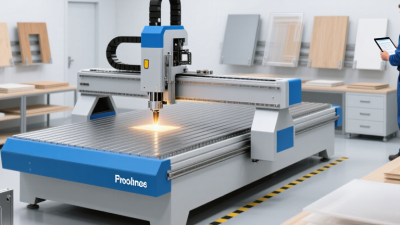
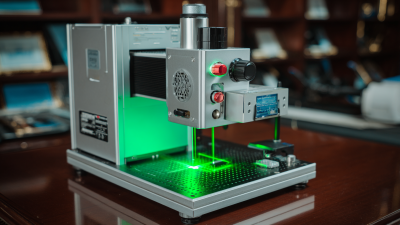
A small CNC machine is not defined by its footprint alone. Its working envelope matters more than its outer frame. In a workshop, a compact machine may fit on a sturdy bench yet handle surprisingly large panels in sections. Most small models have limited X, Y, and Z travel, modest spindle power, and lighter frames. These features improve portability but can reduce rigidity during heavy cuts. A machine measuring less than one meter wide is often considered small, although no universal measurement exists.
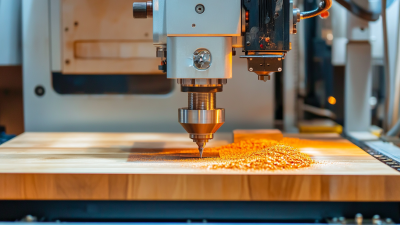
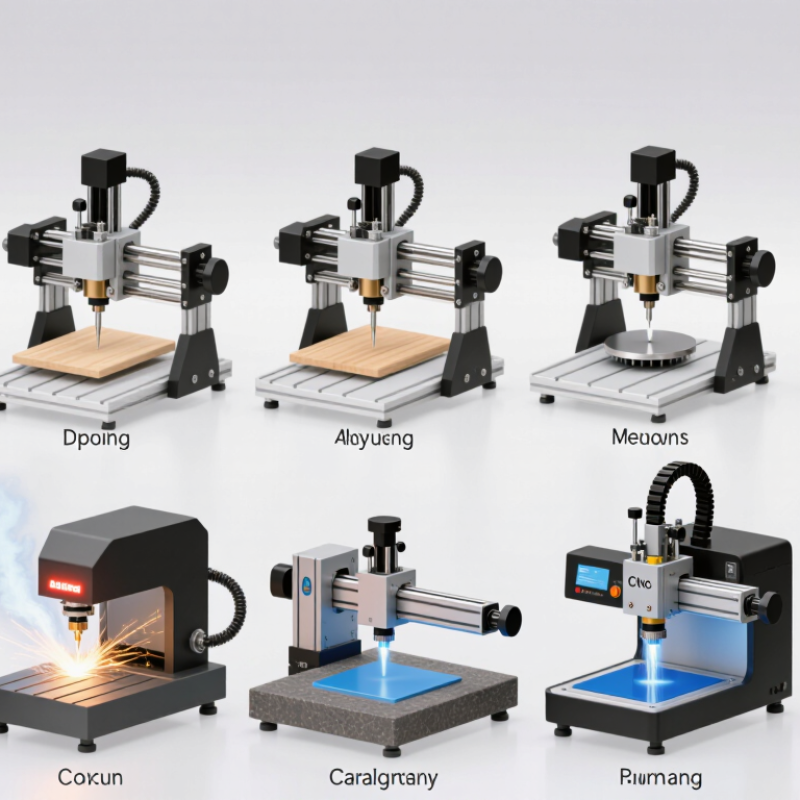
The ten common types include desktop routers, CNC mills, mini lathes, engravers, plasma cutters, laser cutters, foam cutters, stone routers, PCB machines, and compact turning centers. Each suits a different workload. A router works well with wood and plastics. A mill offers better control for aluminum parts. A lathe favors round components. An engraver handles shallow lettering and fine patterns. The remaining types vary in heat, dust, speed, and material demands.
Real performance depends on more than advertised travel. Check the frame thickness, guide system, motor torque, controller quality, and emergency stop design. Measure your largest expected workpiece before buying. Leave space for clamps and tool changes. I have seen beginners choose a tiny machine for detailed work, then struggle with vibration and poor dust collection. That mistake is easy to repeat. Calibration also requires patience. A small error in one axis can spoil several parts, even when the design file looks perfect.