What is Laser Cutting Benefits Applications and Costs?
Laser cutting is revolutionizing the manufacturing sector. According to a report by Research and Markets, the global laser cutting market is expected to reach USD 5.6 billion by 2025. This growth highlights the increased adoption of laser technology across various industries, including automotive, aerospace, and electronics.
Industry expert Dr. Emily Tran emphasizes, "Laser cutting offers unparalleled precision and efficiency, making it a game-changer." The benefits are significant. Laser cutting provides clean edges, minimal waste, and the ability to cut intricate designs. These advantages contribute to reduced production costs and improved product quality.
However, companies must navigate the initial investment costs of laser cutting systems. While they can be high, the long-term savings often outweigh these expenses. Reflecting on business goals is crucial, as implementing laser cutting requires both commitment and clear strategy. Understanding these factors will help companies maximize their investment in laser cutting technology.
Understanding Laser Cutting: An Overview
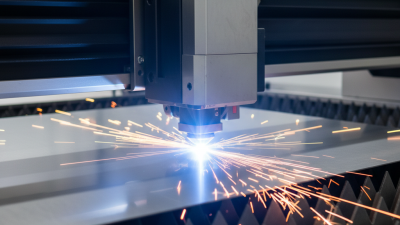
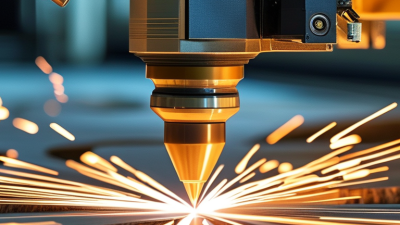
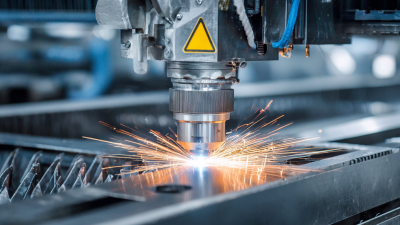
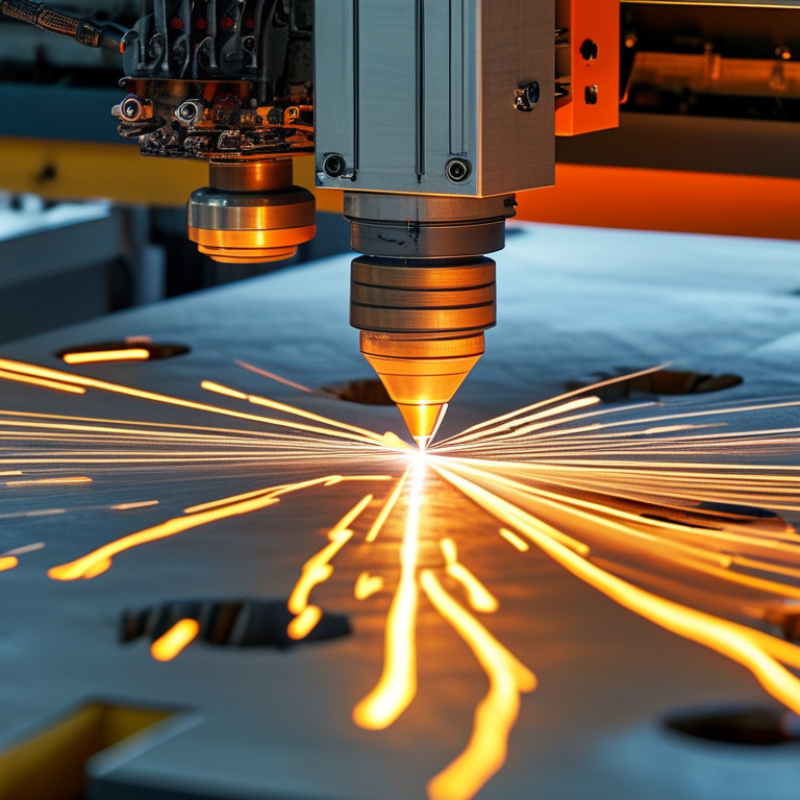
Laser cutting is revolutionizing various industries by offering precise and efficient solutions for material processing. This technology utilizes focused laser beams to cut through a variety of materials, including metals, plastics, and wood. The result is an incredibly clean and accurate cut, making it ideal for intricate designs. What sets laser cutting apart is its ability to create detailed patterns without the need for physical contact, reducing wear on tools and extending their lifespan.
In addition to precision, laser cutting provides flexibility in design. It accommodates numerous materials and thicknesses, allowing for innovative applications in sectors like automotive, aerospace, and art. However, the initial investment in laser cutting machinery can be considerable. Businesses must weigh these costs against potential productivity gains. Additionally, the learning curve for operation and maintenance can pose challenges. Each project requires careful consideration, particularly regarding safety and operational procedures.
Despite its advantages, laser cutting is not without its drawbacks. Certain materials may react poorly to the intense heat, leading to warping or discoloration. Furthermore, while the technology has advanced, it still requires skilled operators to achieve optimal results. As industries continue to explore the potential of laser cutting, ongoing training and adaptation may be necessary to truly harness its capabilities.
Laser Cutting Applications and Their Benefits
Key Benefits of Laser Cutting Technology
Laser cutting technology offers significant advantages across various industries. One key benefit is precision. It allows for intricate designs and detailed cuts, which manual methods often struggle to achieve. The accuracy of laser cutting minimizes material wastage, ensuring that businesses effectively utilize their resources.
Efficiency is another vital factor. Laser cutting provides high-speed processing, which can significantly reduce production time. Companies can meet tight deadlines without compromising quality. This technology also adapts to various materials, including metals, plastics, and fabrics. The versatility opens up opportunities for use in different sectors, from automotive to fashion.
However, not all aspects are perfect. Initial costs for laser cutting machines can be high. This investment may deter some businesses. Additionally, while maintenance is relatively low, it does require specialized knowledge to operate effectively. Evaluating your organization's specific needs is crucial before committing to this technology. Investing in training can help offset long-term challenges with operation and maintenance.
Common Applications of Laser Cutting in Various Industries
Laser cutting technology has transformed various industries with its precision and efficiency. In the automotive sector, for instance, it plays a vital role in producing intricate parts. A study from the International Journal of Advanced Manufacturing Technology indicates that laser cutting can reduce production costs by up to 30% while improving the quality of the components. This efficiency helps manufacturers stay competitive in a rapidly evolving market.
The aerospace industry also benefits significantly from laser cutting. Components must meet strict quality standards. Research by the National Institute of Standards and Technology shows that laser techniques can achieve tolerances as tight as ±0.005 inches. This capability is essential for ensuring safety and reliability in aerospace applications. However, challenges remain in achieving consistent results across different materials.
In addition to automotive and aerospace, the medical field utilizes laser cutting extensively. Instruments often require high precision, which laser technology can provide. According to a report by MarketsandMarkets, the medical laser market is expected to witness a growth of 30% by 2026. However, the investment costs for laser cutting equipment can be substantial, which may pose barriers for smaller firms. The balance between cost and technology remains an ongoing conversation in the industry.
Cost Factors Influencing Laser Cutting Projects
The cost of laser cutting projects can vary significantly based on several factors. Material type plays a critical role. For instance, cutting metals like steel or aluminum often incurs higher costs than plastics. A recent industry report indicates that steel cutting might range from $1 to $10 per minute depending on the thickness. In contrast, acrylic can cost as little as $0.25 per minute. These differences underscore the importance of material selection in budgeting.
Another factor is the complexity of the design. Intricate patterns require more precision and time, driving costs up. A detailed job could cost nearly 50% more than a straightforward cut. Additionally, machine operation fees contribute significantly to overall expenses. The average hourly rate for operating a laser cutting machine often falls between $75 and $150, depending on the equipment's capabilities.
Project volume can also influence pricing. Bulk orders can lower the per-unit cost, but the initial setup can be expensive. Therefore, engaging in thorough planning is essential. Companies should consider both initial and long-term costs when deciding on laser cutting, as they can significantly impact project feasibility.
Future Trends in Laser Cutting Technology and Applications
The future of laser cutting technology is promising. As industries evolve, so do the demands for precision and efficiency. Advanced laser systems are becoming more affordable and accessible. This enables smaller businesses to adopt this technology, enhancing their production capabilities.
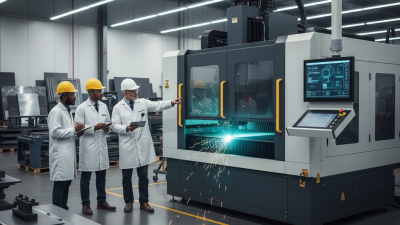
Emerging trends include automation and smart systems. These innovations reduce human error and optimize workflow. Concepts like Industry 4.0 integrate laser cutting with IoT, enhancing data analysis and connectivity. However, these developments may require investment in training and education, which could challenge some organizations.
Another trend is the growing use of fiber lasers. They offer higher efficiency and energy savings compared to traditional systems. While this technology is more effective, initial costs can be a barrier. Companies must weigh the long-term benefits against immediate expenses. As the market evolves, continuous learning and adaptation will remain crucial for success in laser cutting applications.
What is Laser Cutting Benefits Applications and Costs? - Future Trends in Laser Cutting Technology and Applications
| Dimension |
Data |
| Benefits |
High precision, reduced waste, faster production times, versatility in materials. |
| Applications |
Aerospace, automotive, medical, electronics, fashion, and signage industries. |
| Cost Factors |
Machine type, maintenance, material costs, labor, and operational expenses. |
| Future Trends |
Integration of AI, advancements in automation, increased use of fiber lasers, and eco-friendly practices. |
| Market Growth |
Expected CAGR of 5-7% over the next five years. |