Why Choose Laser Cutting for Your Manufacturing Needs?
Laser Cutting has become a game-changer in the manufacturing sector. This technology offers precision that traditional methods struggle to match. With Laser Cutting, manufacturers can achieve intricate designs with minimal material waste. It's not just about cutting; it's about creating.
Many industries benefit from this process. Aerospace, automotive, and electronics rely on Laser Cutting for its accuracy. The ability to cut various materials like metal, plastic, and wood opens up numerous possibilities. However, it's important to understand that this technology is not without challenges. The initial investment can be high, and training is essential for effective use.
Yet, the advantages often outweigh the drawbacks. Laser Cutting improves efficiency and product quality. While each manufacturing need is unique, exploring Laser Cutting’s potential could lead to innovative solutions. Embracing this technology may transform your production line, but it's crucial to weigh the pros and cons carefully.
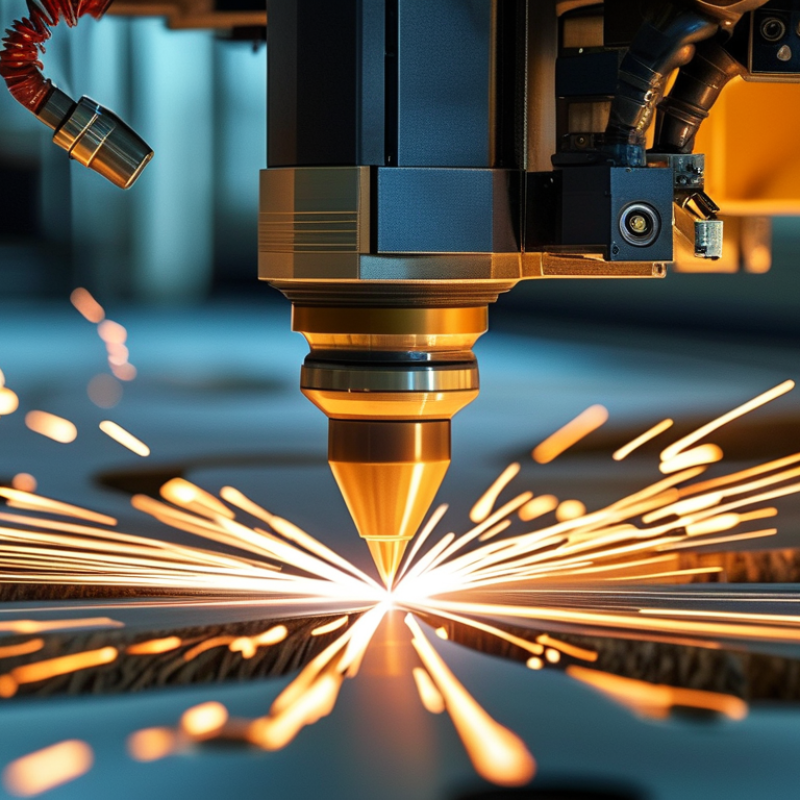
Benefits of Laser Cutting in Modern Manufacturing Processes
Laser cutting has transformed modern manufacturing processes, offering numerous advantages that businesses cannot overlook. According to a report by the International Society of Automation, laser cutting technology can reduce the manufacturing lead time by up to 50%. This efficiency translates to quicker project turnarounds. Moreover, laser cutting ensures high precision, with tolerances reaching ±0.004 inches. This level of accuracy is crucial in industries like aerospace and automotive, where even minute deviations can lead to failures.
Another significant benefit of laser cutting is its versatility. It can process a wide range of materials, from metals to plastics. A study by the Manufacturing Institute highlights that laser cutting can enhance production flexibility by enabling complex designs that traditional methods struggle with. However, it’s essential to recognize that adopting laser cutting may require substantial initial investment and training. This barrier could deter some companies from integrating the technology, leading to potential inefficiencies in their production flow.
Operational sustainability is a vital consideration in manufacturing. Laser cutting is known for its minimal waste production. Statistics indicate that it can reduce material waste by up to 30%. This reduction is beneficial for both the environment and a company’s bottom line. Yet, manufacturers must remain vigilant about the energy consumption associated with high-power laser systems, which can impact overall sustainability goals. Reflecting on these factors can lead to more informed decisions regarding the adoption of laser cutting technology.
Comparison of Laser Cutting with Traditional Cutting Methods
Laser cutting has gained popularity in recent years, often outperforming traditional cutting methods. Industry reports indicate that laser cutting can increase production efficiency by up to 30%. This precision technique allows for intricate designs with minimal material waste. Moreover, the heat-affected zone is significantly smaller than in methods like plasma or waterjet cutting. This leads to cleaner edges and less post-processing work.
However, traditional cutting methods still hold some advantages. For example, they may be more suitable for thicker materials and can sometimes be more cost-effective for bulk production. The initial investment for laser cutting equipment can be higher. Yet, given its long-term benefits in speed and precision, many manufacturers find it worth the upfront costs.
Tips: Consider the material type when choosing a cutting method. Laser cutting is best for thin to medium materials. Do not overlook the importance of operator training for maximizing the technology's potential. Investing in staff expertise can directly impact production outcomes. Balancing cost with efficiency remains crucial for any manufacturing operation.
Why Choose Laser Cutting for Your Manufacturing Needs? - Comparison of Laser Cutting with Traditional Cutting Methods
| Criteria |
Laser Cutting |
Traditional Cutting |
| Precision |
High precision with minimal kerf |
Moderate precision, wider kerf |
| Speed |
Faster cutting speeds for various materials |
Slower cutting speeds, especially for thicker materials |
| Material Versatility |
Can cut metals, plastics, wood, and more |
Limited to specific materials and thicknesses |
| Post-Processing |
Minimal post-processing needed |
Often requires additional finishing |
| Cost |
Higher initial investment but lower operating costs |
Lower initial investment but higher operational costs for large volumes |
| Setup Time |
Quick setup with minimal tooling |
Longer setup and tooling times required |
Key Industries Utilizing Laser Cutting Technology
Laser cutting technology has transformed various industries by offering precision and efficiency. The manufacturing sector extensively uses this method for its ability to cut complex shapes with minimal material waste. According to a report by MarketsandMarkets, the laser cutting market is expected to reach $7.2 billion by 2025, highlighting its growing importance.
Industries such as automotive, aerospace, and electronics have integrated laser cutting into their processes. For instance, the automotive sector relies on laser technology for fabricating parts, ensuring high accuracy and reducing lead times. A recent analysis from Grand View Research indicates that the aerospace industry is increasingly adopting laser cutting, which streamlines the fabrication of lightweight components. These industries value the capability to maintain high quality while adapting to custom designs.
However, the widespread use of laser cutting does pose challenges. High initial costs can deter some manufacturers from adopting this technology. Additionally, there are concerns about the skills gap in operating and maintaining sophisticated laser cutting machines. Despite these hurdles, the benefits of laser cutting remain significant. Its potential for enhancing productivity and precision keeps industries committed to exploring its innovations.
Factors to Consider When Choosing Laser Cutting Services
When choosing laser cutting services, it’s essential to evaluate multiple factors to ensure optimal results. One critical aspect is material type. Different lasers work better with specific materials. Consider whether you need metal, wood, or plastic cuttings. Knowing your material can guide you to the right service.
Another key factor is precision. Laser cutting provides excellent accuracy, but not all services maintain the same level of expertise. Look for providers with a strong reputation in precision work. This information is often available through reviews and client testimonials. Avoid services with inconsistent feedback. You need reliability for your project.
Additionally, consider the turnaround time. Some services may promise quick results but compromise on quality. Assess their past work for consistency. Don't shy away from asking questions about their processes. This engagement shows your interest and helps ensure they meet your needs. While exploring options, be mindful of their communication style. It can reflect their overall service quality.
Future Trends and Innovations in Laser Cutting Manufacturing
Laser cutting technology is advancing rapidly and will shape manufacturing in the upcoming years. One emerging trend is the integration of artificial intelligence. AI can optimize cutting paths and improve precision. This technology will help reduce waste and enhance efficiency. Manufacturers will benefit from better resource management through intelligent software that predicts material behavior.
Additionally, the rise of eco-friendly practices influences laser cutting. Sustainable materials and energy-efficient machines are becoming the focus. Using renewable energy reduces operational costs over time. Companies are also exploring how laser cutting can minimize environmental impact, a shift prompted by increasing consumer demand for green solutions.
Despite these advancements, challenges remain. Many businesses struggle to keep up with rapid technology changes. Training employees requires time and investment, which may not be feasible for every manufacturer. Moreover, adopting new solutions can disrupt workflows. Companies should weigh these factors carefully before leading their operations into the laser cutting future.
Advantages of Laser Cutting in Manufacturing
This bar chart illustrates the key advantages of laser cutting technology in modern manufacturing, highlighting the significant benefits in precision, speed, material versatility, cost-effectiveness, and safety.