Why Do You Need an Adapter Ring?
An Adapter Ring is a small camera accessory with a practical job: it connects parts that do not share the same filter-thread size. For example, a 52 mm lens can use a 67 mm filter with a step-up ring. The ring threads onto the lens, then the filter attaches to the ring. A simple fit. But size alone does not guarantee compatibility.
Check the diameter printed on the front of your lens, often beside the ø symbol, and compare it with the filter’s thread size. Step-up rings move from a smaller lens thread to a larger filter; step-down rings do the reverse. Step-up rings are often easier to use across several lenses. A step-down ring may block some light near the edges, especially with wide-angle lenses. You may see dark corners. Stacking several rings can also make the setup longer and less stable.
Material and handling matter, too. Aluminum rings are light, while brass versions may resist binding, though either can cross-thread if forced. Turn the ring gently and stop if it catches. It should sit evenly, not wobble. Some lenses have recessed fronts or unusual housings, so check clearance before adding a filter. There is no single ring that suits every camera. That is easy to overlook. The right choice depends on the lens, filter, and how you plan to shoot. A quick test against a bright, even surface can reveal corner shading before an important photo.
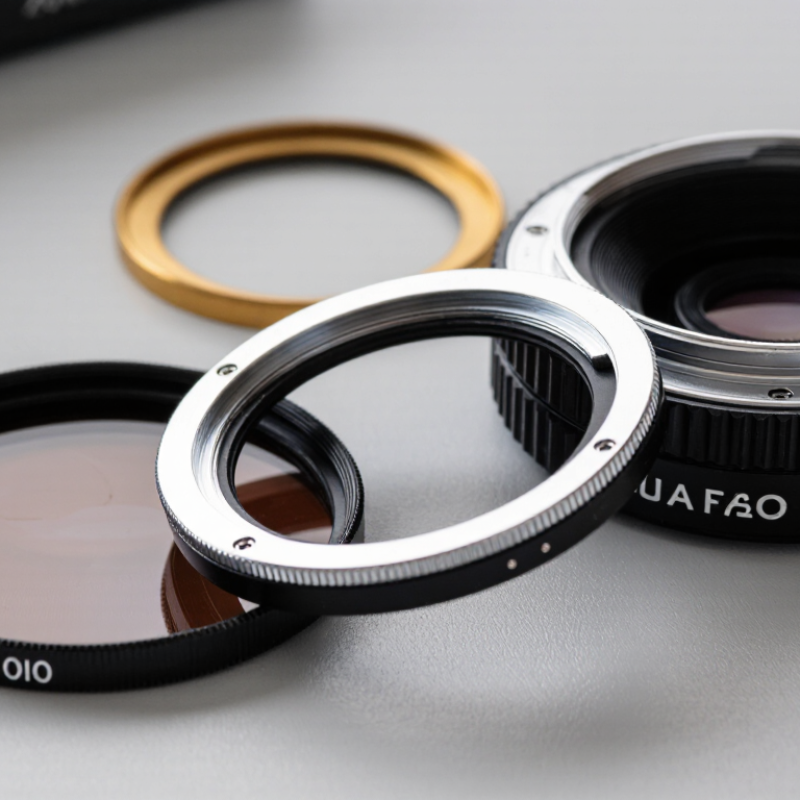
What an Adapter Ring Is and How It Connects Components
An adapter ring is a small connector that lets two components with different fitting sizes or interfaces work together. It sits between them, creating a secure transition rather than changing either component. Depending on the design, the ring may use threads, a smooth slip fit, or a locking surface. A camera accessory, pipe fitting, or mechanical assembly may each use a different type. The principle is similar, but the dimensions and materials are not interchangeable. Details matter.
To connect components, match the ring’s inner and outer measurements to the parts being joined. Check thread direction, diameter, and seating depth; a ring that looks close may still wobble or bind. Hand-tighten threaded parts first, then check for even contact and movement. For load-bearing or fluid-carrying systems, confirm that the ring is rated for the job. An adapter can bridge a mismatch, but it cannot fix damaged threads or an unsuitable component. Fit can be surprisingly fiddly.
Tips: Clean both contact surfaces before assembly. Avoid forcing a ring into place. If the joint rocks, leaks, or resists turning, stop and recheck the measurements. A second measurement is worth the small delay.
How Adapter Rings Bridge Differences in Size and Threading
An adapter ring connects parts that differ in diameter or thread format. In photographic gear, a step-up ring can join a smaller lens filter thread to a larger filter, while a step-down ring works in reverse. For example, a 49 mm lens thread can accept a 52 mm filter through a suitable ring. The fit depends on more than the printed diameter.
Threads must match in pitch, profile, and direction. ISO 1222:2010 specifies common photographic tripod connections, including 1/4-20 UNC and 3/8-16 UNC. These numbers show why matching diameter alone is not enough: the thread pitch differs too. A ring with the wrong thread may start to turn, then bind or wobble. Stop if resistance rises; forcing it can damage fine metal threads.
Check both parts’ markings, then compare the ring’s male and female sides with the components. Keep the threads clean, and turn the ring gently by hand before tightening. Small differences are easy to miss, especially in dim light or when labels are worn. One limitation: an adapter can connect compatible threads, but it cannot correct a poor fit or make mismatched specifications safe. ISO 1222 is a useful reference for tripod fittings, not a universal standard for every accessory ring.
Where Adapter Rings Are Commonly Used
Adapter rings are commonly used in photography to connect accessories with different thread sizes. A 52 mm filter, for example, can fit a lens with a larger front thread when the correct ring is used. This is handy when sharing filters across several lenses. Check the diameter printed on the lens, not the camera body. A step-up ring may also reduce the chance of corner shading compared with a step-down ring, though results depend on the lens and filter stack. Small details matter.
You’ll also find adapter rings in plumbing and workshop equipment. In plumbing, a compatible ring can join components with different thread sizes, but thread type, material, and pressure rating must all match. A neat-looking fit is not proof of a reliable seal. In workshops, rings can help mount accessories onto tools or fixtures with different connection dimensions. Measure both sides before ordering. It sounds obvious, yet mismatched threads are easy to overlook. An adapter ring changes the connection, not the capability of the parts, and sometimes the added length creates clearance or stability problems. That trade-off is worth checking before use.
Why Do You Need an Adapter Ring? - Where Adapter Rings Are Commonly Used
| Application | What the Adapter Ring Connects | Why It Is Used | Important Compatibility Check |
| Camera filter systems | A lens’s filter thread and a filter or accessory with a different thread diameter | Step-up or step-down rings let photographers fit compatible filters across different lens sizes. | Check both thread diameters and thread type. A step-down ring may cause vignetting, especially with wide-angle lenses. |
| Camera lens-to-camera mounting | A lens mount and a camera body with a different mount | A mount adapter provides a mechanical connection so a lens can be attached to a compatible camera body. | Confirm mount types, clearance, and whether focus, aperture control, or autofocus will be available. |
| Telescopes and astronomy cameras | A telescope focuser or accessory thread and a camera or imaging accessory | Threaded adapter rings help attach imaging equipment or other accessories to a telescope. | Check thread diameter and pitch, insertion depth, and whether the optical setup can reach focus. |
| Studio lighting modifiers | A light’s mounting system and a softbox or other modifier’s speed ring | The ring provides the correct interface for mounting a modifier to a compatible light. | Verify the ring’s light-mount interface, modifier fit, and supported load before installation. |
| Microscope imaging | A microscope’s photo port or eyepiece tube and a camera adapter | An adapter ring helps position and secure a camera for microscope photography or imaging. | Check the port dimensions and optical arrangement; a mechanical fit alone does not ensure a properly framed image. |
How to Choose an Adapter Ring for Your Equipment
Why Do You Need an Adapter Ring?
How to Choose an Adapter Ring for Your Equipment
An adapter ring connects equipment with different thread sizes, such as a camera lens and a filter. Choosing one starts with the exact diameter printed on the lens front, often beside the ø symbol. Match that measurement to the ring’s lens-side thread, then check the accessory-side size. Fit matters. The Camera & Imaging Products Association reported about 6.1 million interchangeable-lens cameras and 8.3 million lenses shipped worldwide in 2023. That wide range of equipment makes checking dimensions more useful than relying on appearance.
A step-up ring connects a smaller lens thread to a larger filter; a step-down ring does the reverse. Step-up rings are often the safer choice for wide-angle lenses, because smaller filters can intrude into the field of view and cause darkened corners. But a larger filter may block a lens hood or make a cap awkward to fit. Check clearance with the actual lens, hood, and filter attached. Not guesswork.
For field use, inspect thread direction, depth, and material. Aluminum rings are light, while brass threads may resist binding; either can cross-thread if forced. Start by turning the ring gently in reverse until the threads settle, then tighten without tools. Remove stacked rings if images show vignetting or the assembly feels loose. CIPA’s shipment figures describe market volume, not compatibility, so use the equipment manuals or measured thread dimensions to confirm a match. A millimeter matters.
Compatibility Checks and Proper Installation of an Adapter Ring
An adapter ring connects a filter or accessory to a lens with a different thread size. Check the small diameter marking on the lens, often printed beside the front glass. Then compare it with the accessory’s thread size. A 52 mm lens and a 58 mm filter, for example, need a ring that bridges those measurements. The direction matters: a step-up ring fits a larger accessory, while a step-down ring fits a smaller one. That smaller opening may darken image corners with wide-angle lenses. Check the lens manual or maker’s specifications when markings are unclear.
Keep the threads clean and dry. Align the ring squarely, then turn it gently until it catches; never force a resistant thread. A slight misalignment can make the ring bind or cross-thread. Once attached, check that it sits flush and that the lens cap or other accessories still fit. Remove the ring before storing the lens if it feels stuck, rather than gripping it with tools.
Even careful checks can miss a size detail. I would recheck the measurements before ordering, especially when a lens has more than one front marking. A snug fit should not require pressure.