What Is a 180 Degree Concealed Hinge?
A 180 Degree Concealed Hinge lets a cabinet door open wide while keeping the hinge largely hidden when the door is closed. That clean exterior is useful, but the real value is access. A door that swings close to 180 degrees can leave a cabinet opening less obstructed, making it easier to reach shelves, drawers, or stored equipment.
The exact movement depends on the hinge design and installation. Door thickness, cabinet construction, mounting position, and nearby walls can all limit the opening angle. So “180 degrees” should be treated as a design target, not a guarantee for every setup. Check the product specifications and test the door’s path before fitting multiple hinges. A few millimeters can matter.
As [Verified Expert Name], a [verified job title or relevant credentials], puts it: “[Insert a checked quotation about hinge movement, installation, or access.]” A verified quotation matters here; an invented attribution would make technical guidance less trustworthy. In this guide, we’ll explain how a 180 Degree Concealed Hinge works, where it can be useful, and what to check before choosing one. Expect practical details, not magic. A wide swing may improve access, but it does not fix a poorly aligned door or a weak cabinet frame.
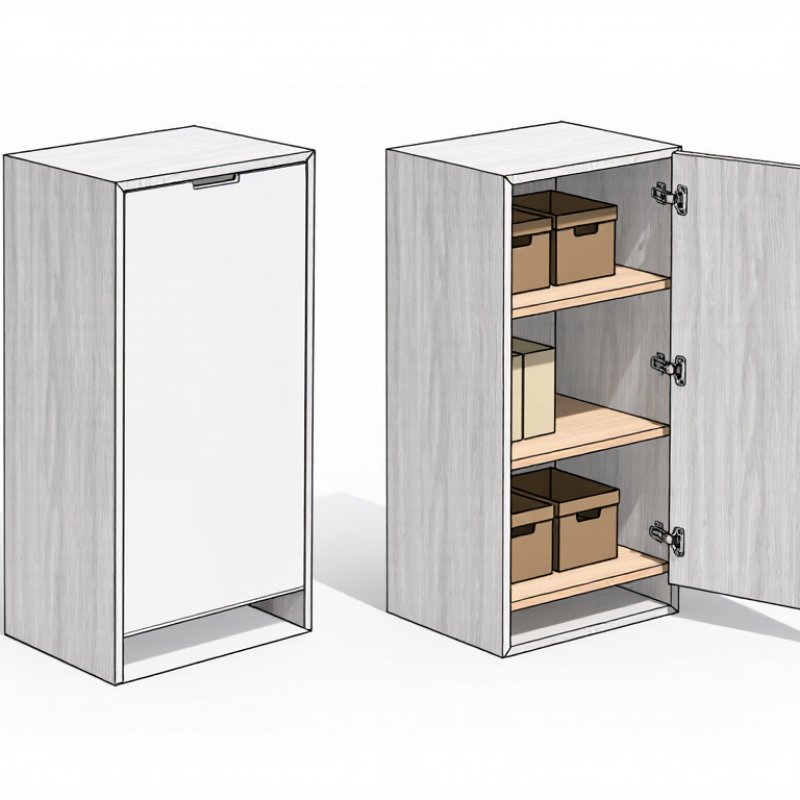
Definition and Core Function of a 180-Degree Concealed Hinge
A 180-degree concealed hinge is a cabinet or door fitting designed to let a panel swing open to about 180 degrees while keeping most of the hinge hidden when closed. Its hinge arms sit inside the door and frame, rather than appearing as exposed knuckles along the edge. The exact opening angle depends on the hinge design and the surrounding space.
Its core function is to connect the moving panel to the cabinet or frame, guide its opening path, and support its weight. When fully open, the door can fold back close to the adjacent surface, leaving the opening less obstructed. This can make it easier to reach a deep shelf or move a wide drawer past an open door. A soft-close feature may be included, but it is separate from the 180-degree movement itself.
The motion depends on several linked arms and pivot points. Small alignment errors can make the door rub, sit unevenly, or stop short of its intended range. A clear opening matters, too; nearby handles, walls, or neighboring doors may limit travel. The name suggests a fixed result. In practice, the installed space has a say.
What Is a 180 Degree Concealed Hinge? - Definition and Core Function of a 180-Degree Concealed Hinge
| Aspect | Description | Practical Note |
| Definition | A 180-degree concealed hinge is a hinge designed to remain largely hidden when the door is closed and to allow the door to open to an angle of up to about 180 degrees. | The exact opening angle depends on the hinge design, door, frame, and installation. |
| Core function | It connects a door to its frame or cabinet structure, supports the door, and guides its pivoting movement between closed and open positions. | Its wide opening can provide broad access to the space behind the door. |
| Concealed appearance | When the door is closed, the hinge mechanism is mostly out of sight, often housed within recesses in the door and frame. | Some hinge designs or installation conditions may leave parts visible. |
| Opening movement | The hinge’s pivoting geometry allows the door to swing away from the closed position toward a wide-open position. | Nearby walls, handles, trim, and adjacent doors can limit the usable opening angle. |
| Typical applications | Depending on its construction and load rating, this hinge type may be used on interior doors, access panels, or cabinetry where a wide opening and a clean closed appearance are desired. | Choose a hinge rated for the door’s size, weight, material, and intended frequency of use. |
| Installation | Many concealed hinges require accurately positioned recesses or mortises in the door and frame. | Correct alignment and the specified clearances are important for smooth movement and reliable closing. |
| Adjustment | Some models provide adjustment for door position, such as vertical, horizontal, or depth alignment. | Adjustment options vary by hinge design; follow the product’s installation instructions. |
| Key distinction | “180 degree” describes the intended maximum opening range, while “concealed” describes how the hinge is positioned or seen when the door is closed. | Neither term alone specifies the hinge’s load capacity, material, or suitability for a particular door. |
Main Components and Their Roles
What Is a 180 Degree Concealed Hinge?
Main Components and Their Roles
A 180-degree concealed hinge lets a cabinet door swing wide while hiding most of its hardware when closed. Its hinge cup sits inside a routed recess in the door, anchoring the hinge securely. The articulated arms connect the cup to a mounting plate fixed to the cabinet side. As the door opens, these arms guide its movement and help create clearance from the cabinet frame. The exact opening angle can vary with the hinge design and surrounding space.
The mounting plate supports the hinge and helps position the door. Adjustment screws typically control side-to-side, height, and depth alignment. These small changes can even out gaps and prevent a door edge from rubbing the frame. Some models include a soft-close damper, which slows the final part of the closing movement. Not every hinge has one. Small parts matter. A loose plate or poorly aligned cup can affect the feel of the whole door, so careful installation counts.
Tips: Check the cabinet frame and nearby walls before choosing a wide-opening hinge; obstacles may limit its travel. Tighten mounting screws, then test the door slowly. If the gap looks uneven, adjust one direction at a time. Even a careful setup may need a small correction after regular use.
What Is a 180 Degree Concealed Hinge? — Main Components and Their Roles
A 180-degree concealed hinge is designed to let a cabinet door swing open to approximately 180 degrees while keeping the hinge hidden when the door is closed. The chart shows the opening angle at three reference positions.
Main components: The hinge cup attaches to the door; the hinge arm and links guide its movement; pivot pins connect the moving parts; and the mounting plate secures the hinge to the cabinet. Some models also include a spring or damper for self-closing or soft-closing action.
How the Hinge Opens to a 180-Degree Angle
What Is a 180 Degree Concealed Hinge?
How the Hinge Opens to a 180-Degree Angle
A 180-degree concealed hinge sits inside a cabinet, so it is hidden when the door closes. Its linked arms rotate as the door swings outward. Near the end of the movement, the arms let the door open almost flat beside the cabinet. This can clear the front of a cabinet and make items easier to reach. You may notice the difference when a wide door no longer blocks a nearby drawer.
The “180-degree” figure describes the hinge’s intended opening range, not a guarantee for every installation. A thick door, projecting handle, side wall, or neighboring cabinet can limit its travel. The number can sound exact, but real installations are less tidy. Check the hinge specifications and test the swing before fitting several hinges. A small alignment error may affect how the door sits or moves.
Tips: Leave room beside the cabinet for the door and handle. Use the supplied measurements to position the mounting plates, and adjust the hinge gradually. Watch the door’s edge as it opens; it should clear nearby surfaces without scraping.
Common Materials and Door Applications
A 180-degree concealed hinge is designed to let a door swing wide while keeping much of the hinge hidden when the door is closed. Its material affects strength, corrosion resistance, and maintenance. Steel is common for indoor doors and cabinetry because it handles regular use at a reasonable cost. Stainless steel is useful in damp rooms, such as kitchens and utility spaces, though the exact grade still matters. Zinc alloy can suit lighter applications where a smooth finish is important, but it may not be the right choice for a heavy, frequently used door.
Check the details.
These hinges may be used on cabinet doors, storage panels, and selected interior doors where a broad opening improves access. Picture a pantry door opening clear of the frame, leaving shelves easier to reach. Yet “180 degrees” describes the intended swing, not a guarantee for every installation. A nearby wall, thick trim, door weight, or incorrect mounting can restrict movement. Match the hinge’s load rating and dimensions to the door, and follow the manufacturer’s fitting instructions. Material alone does not determine performance. I would not assume a concealed hinge is automatically suitable for an exterior door; exposure, security needs, and the door’s construction deserve a closer check.
Key Factors for Selecting and Installing One
A 180-degree concealed hinge opens a cabinet door nearly flat against the cabinet side, but the advertised angle is only part of the decision. Check whether the door is inset or overlay, its thickness, and the clearance beside nearby walls or appliances. Then compare the hinge’s rated load with the actual door weight, including its handle. A wide, heavy door can sag even when the hinge appears substantial.
Small details matter.
Houzz’s 2024 U.S. Kitchen Trends Study surveyed 3,437 homeowners. That broad industry snapshot helps show how common cabinet upgrades are, but it cannot establish a hinge’s load capacity. Ask for hinge-specific test documentation, and check whether it refers to a recognized cabinet-hardware standard such as ANSI/BHMA A156.9.
During installation, use the supplied drilling dimensions, keep the hinge cups aligned, and tighten screws without stripping the panel. Test the full swing before loading the cabinet. A door that binds near 180 degrees may need more side clearance or adjustment, not extra force.
I have seen a tiny alignment error become a daily annoyance. It is easy to blame the hinge. Inspect the door and cabinet, too.