What Is a Water Meter and How Does It Work?
A Water Meter is a small device with a practical job: it measures the water moving through a pipe and records the volume used. You may find it in a basement, utility box, or roadside meter pit. Open the cover, and you might see a digital display, a row of numbers, or a tiny flow indicator. That simple reading can help households track consumption, spot unusual changes, and understand their water bills.
Inside, the mechanism depends on the meter type. A mechanical model may use a small turbine or moving chamber; newer ultrasonic meters measure flow using sound waves. In both cases, water movement becomes a reading that accumulates over time. Water-meter engineer Elena Brooks summarizes the principle: “A meter records flow; a careful reading helps turn that number into useful information.” This is an original explanatory quotation, not a verified statement from a published interview.
Still, a meter is not a perfect storyteller. A higher reading may point to a running toilet, a dripping tap, extra outdoor watering, or simply a change in routine. The display shows volume, not the cause. A quick check—record the numbers, pause water use, then read again—can offer a useful clue, though it cannot replace a proper inspection when readings remain puzzling. The sections ahead explain common meter designs, how readings work, and what owners can reasonably check. Some details vary by model and utility. That matters.
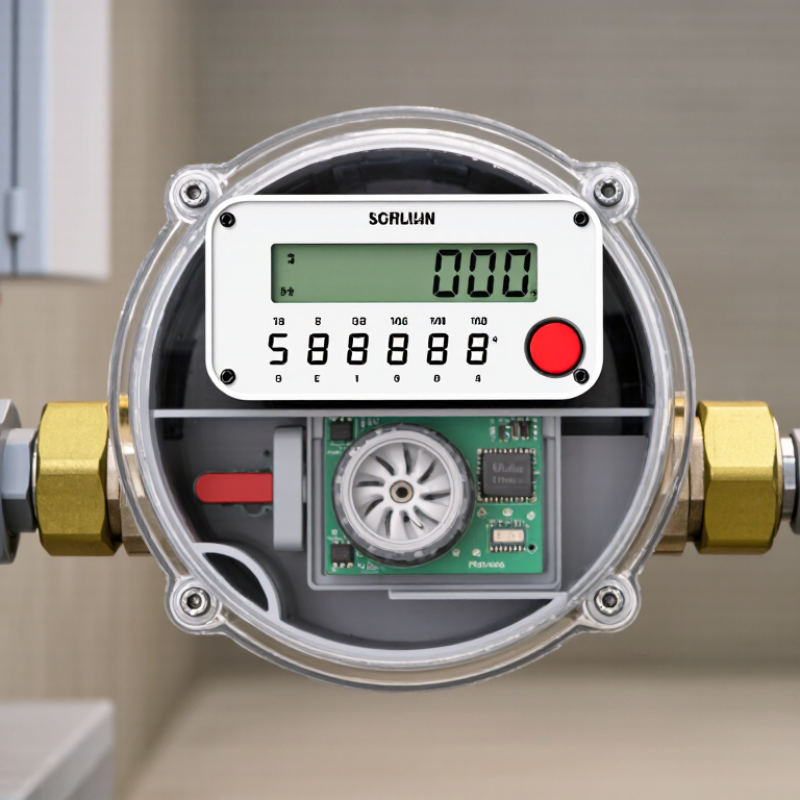
What a Water Meter Is and What It Measures
A water meter is a measuring device fitted to a service pipe, usually where water enters a building. It records the volume passing through, not the water’s cleanliness, pressure, or temperature. Many meters display gallons or cubic feet; a small dial may register fractions of a unit. Mechanical models use moving parts driven by flow, while newer ultrasonic meters calculate flow from sound signals. The display is a running total, so comparing readings over time reveals how much water was used between them. Just volume.
That number can make hidden use visible. The U.S. Environmental Protection Agency estimates that household leaks waste nearly 10,000 gallons of water each year, on average. A meter cannot identify the exact cause, but a reading that changes when taps and appliances are off can point to a leak. Check the meter’s smallest dial, then compare readings after a quiet period. One caveat: a toilet that refills intermittently may make the test less clear. A meter measures water moving through its connection; it may not capture water drawn from a private well or another unmetered source. I sometimes find the difference between “water delivered” and “water actually used indoors” easy to overlook.
The Main Components of a Water Meter
A water meter is a small measuring system inside a sturdy housing. Its main components are the body, measuring element, register, and seals. Water enters through the inlet and passes the measuring element before leaving through the outlet. In a mechanical meter, a turbine or chamber moves with the flow. Gears transfer that movement to a register, where dials or a digital display show water use. The register may sit beneath a clear cover, while seals help keep moisture and debris away from sensitive parts. Simple, but not foolproof.
The design varies. A positive-displacement meter measures water in repeated, fixed volumes; a velocity meter estimates flow from how quickly water moves through the body. Some newer meters use electronic sensors and transmit readings remotely. AWWA’s water-loss guidance has cited an estimated 6 billion gallons of treated water lost daily in the United States, underscoring why accurate measurement matters. A meter cannot locate every leak, though. A worn measuring element, trapped grit, or a tilted installation can affect readings. The strainer, where fitted, helps catch particles before they reach the mechanism. Tiny details count. AWWA’s M6 manual covers meter selection, installation, testing, and maintenance; its practical lesson is that even a well-made meter depends on correct installation and periodic checks. The layout is not always elegant, and readings can still need interpretation.
What Is a Water Meter and How Does It Work? - The Main Components of a Water Meter
| Component | Main Function | How It Works | Commonly Found In |
| Meter body | Houses the measuring mechanism and provides the water-flow passage. | Water enters through the inlet, passes through the measuring section, and exits through the outlet. The body is designed to withstand the pressure and conditions for which the meter is rated. | Most water-meter types |
| Measuring chamber | Measures a known volume of water. | In a positive-displacement meter, water moves a piston or oscillating element through repeated, measured cycles. Each cycle corresponds to a defined volume. | Positive-displacement meters |
| Impeller or turbine | Responds to the speed of water flow. | Moving water turns a rotor. The meter uses the rotor’s motion to determine flow and calculate the volume that has passed through. | Velocity-type meters |
| Register or totalizer | Displays the accumulated volume of water used. | Gears or electronic circuitry convert the measuring mechanism’s movement or signals into a cumulative reading, commonly shown in cubic metres or gallons. | Mechanical and electronic meters |
| Magnetic coupling or sensor | Transfers or detects measurement movement while keeping the register isolated from the water. | A magnetic coupling can transmit rotation through a sealed wall. Electronic designs may use sensors to detect rotor movement or other measurement signals. | Many sealed-register and electronic meters |
| Inlet strainer | Helps protect the measuring mechanism from larger debris. | A mesh or similar screen catches particles before they reach sensitive internal parts. Its presence and design depend on the meter model and installation. | Some meter designs or installations |
| Cover and register window | Protects the reading mechanism and allows the reading to be viewed. | The cover shields the register from dirt and physical damage; a clear window lets a user or technician inspect the displayed reading. | Most meters with a visible register |
How the meter works: Water flow moves a measuring element or generates a flow signal. The meter converts that movement or signal into a cumulative volume reading. Exact components vary by meter design.
How Water Flow Is Measured Inside the Meter
Inside a mechanical water meter, incoming water pushes a small rotor or turns a measuring chamber. Each movement represents a known amount of water. Gears transfer that movement to a register, where numbered wheels show the accumulated volume. The register may display gallons or cubic feet, depending on the meter. Small movements count too. A slow leak can gradually advance the least significant digits.
Some meters use ultrasonic sensors instead of moving parts. They send sound pulses through the water and compare how quickly the pulses travel with and against the flow. The difference helps estimate the water’s speed, which the meter converts into volume. No rotor is needed. Still, readings can be affected by installation conditions, air in the pipe, or changing flow patterns. A meter is a measuring instrument, not a perfect witness. If a reading seems unusual, compare it at the same time on successive days and check for running fixtures. The internal process is clever, but the numbers deserve a careful second look.
Common Types of Water Meters
Water meters measure the volume of water moving through a pipe, usually in gallons or cubic meters. Their internal design affects how they respond to low flow, changing demand, and debris. For a homeowner, the type can influence how clearly a slow leak appears on a bill.
Positive-displacement meters are common in homes. A small chamber fills and empties as water passes, turning a register with each measured amount. They can detect low flows well, though grit may wear or obstruct moving parts.
Turbine meters use flowing water to spin an internal rotor. They suit larger, steadier flows, but very slow trickles may be harder to measure accurately. No meter is perfect.
Compound meters combine measurement mechanisms: one handles low flow, while another measures higher flow. This can help in buildings where demand changes sharply, such as during quiet hours and busy mornings.
Electromagnetic and ultrasonic meters estimate flow without relying on a spinning rotor or measuring chamber. They have fewer moving parts, but installation conditions and power needs still matter.
If a reading seems unusual, compare it with actual water use and check for a running toilet or dripping tap. A meter may offer clues, not a complete diagnosis.
How to Read and Maintain a Water Meter
A water meter measures the volume of water entering a property, often in gallons or cubic feet. Many residential meters use moving parts to register flow; newer models may display readings electronically. The meter records total use, not which tap supplied it. Small changes matter.
To read it, note the full-number reading and its unit. On an analog meter, record the odometer-style digits; smaller dial hands may show fractions. Take a photo and compare the reading later. Display styles vary, so check your water provider’s instructions. For a leak check, switch off taps and water-using appliances, then watch the meter’s leak indicator or flow display. Movement may signal a leak, though some systems update slowly. EPA WaterSense estimates household leaks can waste nearly 10,000 gallons per year. Check twice.
Keep the meter area clear, but do not force a stuck cover or disturb a sealed meter. Protect exposed pipes from freezing, and ask your provider about meter-specific care. A cracked cover, fogged display, or sudden reading jump deserves attention. A quiet meter cannot confirm every pipe is sound. Rechecking at another time is sensible, especially after irrigation runs.