Top 10 Laser Cutting Services in China for Global Buyers?
Laser Cutting has become an essential technology in modern manufacturing. It offers precision, efficiency, and versatility across various industries. According to a recent report from ResearchAndMarkets, the global laser cutting market is projected to reach $5.3 billion by 2026. This growth is fueled by increasing demand for customized components and advanced materials.
China stands out as a leader in laser cutting services, catering to global buyers seeking high-quality solutions. The country’s rich industrial base and advancements in technology create a competitive environment. Companies specializing in laser cutting are continually adopting the latest innovations, boosting their capabilities.
However, with numerous providers in China, selecting the right service can be a challenge. Buyers often face difficulties in assessing quality, pricing, and delivery timelines. The explosion of choice calls for informed decision-making. Exploring top-rated laser cutting services allows buyers to navigate this complex landscape effectively. Understanding these options promotes a smoother procurement process and better outcomes.
Overview of Laser Cutting Services in China
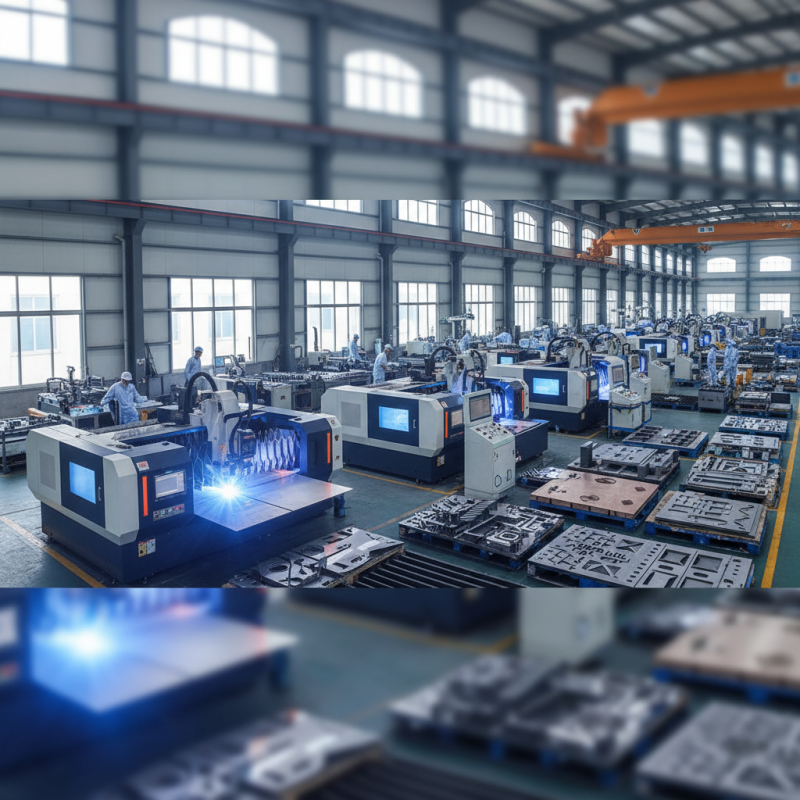
Laser cutting services have gained significant traction in China, making it a hub for global buyers. The country is home to advanced technologies and skilled workforce that drive the growth of this industry. According to recent industry reports, China's laser cutting market size reached approximately USD 1.5 billion in 2022, with an expected annual growth rate of 8.5% over the next five years. This growth presents enticing opportunities for companies aiming to leverage cost-effective and efficient manufacturing solutions.
Various sectors are embracing laser cutting due to its precision and versatility. Industries such as automotive, aerospace, and electronics show a high demand for these services. Laser cutting enables intricate designs and robust production capabilities. However, challenges remain. Not every service provider adheres to international quality standards. The inconsistency in service quality can lead to project delays and increased costs. Industry stakeholders must remain vigilant and perform due diligence when selecting partners in this rapidly evolving market.
Environmental considerations are becoming more essential as well. The laser cutting process can produce waste and energy consumption that impact sustainability. Reports suggest that manufacturers are now focusing on reducing these emissions, which could affect their operations. Balancing efficiency, cost, and environmental responsibility poses an ongoing challenge for laser cutting service providers in China.
Criteria for Selecting Top Laser Cutting Services
When evaluating laser cutting services in China, several criteria are vital for global buyers. Quality assurance is paramount. According to a recent industry report, over 70% of buyers prioritize precision and finish quality. It is essential to verify certification and standards compliance.
Next, consider the range of services offered. Many top companies provide various materials, such as metals, plastics, and wood. This versatility can significantly enhance project outcomes. Additionally, turnaround time impacts productivity. A report highlighted that 65% of companies see a direct line between quick delivery and customer satisfaction.
Customer support is another critical factor. Engaging with a responsive team can streamline the process and resolve issues swiftly. Communication styles may vary, and some buyers find it challenging to navigate language barriers. Lastly, pricing structures must align with budget constraints while ensuring quality remains uncompromised. Many suppliers offer tiered pricing, which can be a double-edged sword. It's vital to assess if cost savings come at the expense of quality.
Top 10 Laser Cutting Services in China for Global Buyers
| Service Type | Industry Focus | Cutting Thickness Capability | Precision Level | Lead Time |
| Metal Laser Cutting | Automotive | Up to 20mm | ±0.1 mm | 7-10 days |
| Acrylic Cutting | Signage | Up to 15mm | ±0.05 mm | 5-7 days |
| Wood Cutting | Furniture | Up to 25mm | ±0.2 mm | 10-15 days |
| Stainless Steel Cutting | Kitchenware | Up to 10mm | ±0.1 mm | 8-12 days |
| Plastic Laser Cutting | Electronics | Up to 5mm | ±0.075 mm | 6-9 days |
| Carbon Steel Cutting | Construction | Up to 30mm | ±0.2 mm | 9-14 days |
| Ceramic Cutting | Decorative | Up to 8mm | ±0.1 mm | 7-11 days |
| Textile Cutting | Apparel | Multiple layers | ±0.5 mm | 4-6 days |
| Glass Cutting | Architectural | Up to 10mm | ±0.1 mm | 10-13 days |
Detailed Profiles of Top 10 Laser Cutting Service Providers
China has become a leading hub for laser cutting services. This is due to a blend of skilled labor and advanced technology. The market features numerous providers, each with unique capabilities and specialties. Many offer tailored solutions, catering to various industries, from automotive to electronics.
Several companies stand out due to their expertise and reliability. These providers often focus on precision cutting and fast turnaround times. However, not all players maintain consistent quality. Buyers may encounter fluctuations in service standards. It's crucial to review past client feedback before making a decision.
Flexibility in project requirements is another key aspect of these services. Some companies can handle both large-scale and custom projects. They often use state-of-the-art machinery for efficient results. Still, there can be challenges in communication and logistical arrangements. Establishing clear expectations aids in creating a successful partnership, reducing potential misunderstandings.
Cost and Quality Comparison of Laser Cutting Services
Laser cutting services in China have gained significant traction among global buyers. A recent industry report indicates that laser cutting market revenue in China is projected to reach over $2 billion by 2025, reflecting a compound annual growth rate (CAGR) of 8.5%. This growth stems from advances in technology and increasing demand from various sectors. Industries such as automotive, aerospace, and consumer electronics are particularly influential in driving this growth.
Cost and quality vary significantly among laser cutting providers. For instance, average pricing for laser cutting services in China can range from $20 to $50 per hour. This is relatively lower than in Western countries, where prices can exceed $100 per hour. However, pricing is not the only indicator of quality. Some lower-cost providers may compromise on material quality or precision. A recent survey found that 30% of buyers reported issues with dimensional accuracy when selecting cheaper options. It’s crucial to weigh these factors carefully.
Quality certifications, such as ISO 9001, are essential for gauging supplier reliability. Yet, not all facilities adhere to these standards. Buyer feedback reveals that 25% of clients experienced project delays due to poor management at budget-friendly providers. It’s important to conduct thorough research, assess multiple offerings, and verify supplier credentials before making a decision.
Future Trends in China's Laser Cutting Industry for Global Buyers
The laser cutting industry in China is evolving rapidly. Advanced technologies are being adopted, making processes more efficient. Automation is a trend that improves both speed and precision. Many manufacturers are integrating AI to analyze production data. This leads to better quality control and reduced waste.
Global buyers should consider these changes. Understanding the technology in use can lead to smarter partnerships. Looking for suppliers who embrace innovation is key. They are more likely to deliver high-quality products that meet exact specifications.
Tips: Evaluate the supplier's technology regularly. Seek out those investing in research and development. This ensures that you are getting the best possible services. Furthermore, remain flexible in your requirements. A supplier's ability to adapt may directly affect your project outcomes. Keep an eye on industry trends; they can influence your strategic decisions as a buyer.