
What Are the Top Chemical Building Blocks in 2026?
What will define the top Chemical Building Blocks in 2026? The answer depends on more than production volume. Ethylene, propylene, methanol, ammonia, and aromatic compounds remain central to products ranging from packaging and coatings to fertilizers and medicines. Yet their importance is being judged against new pressures: feedstock availability, energy use, emissions, and the ability to supply consistent quality. A plant manager may focus on reliable deliveries. A product designer may care more about purity, performance, and alternatives to fossil-derived inputs.
Green chemistry pioneer John C. Warner, co-author of the field’s foundational principles, offers a useful test: “It is better to prevent waste than to treat or clean up waste after it is formed.” That principle helps frame this 2026 outlook. Which building blocks support efficient production, and which can adapt as manufacturers explore recycled carbon, biomass, or lower-emission processes? The answers vary by region and application. There is no single universal ranking.
Look closely at the details. A change in feedstock can affect a molecule’s footprint, but it does not automatically make the finished product sustainable. Cost, infrastructure, safety, and performance still matter. So does dependable evidence. Some shifts will be slower than forecasts suggest. That deserves reflection. This guide examines the leading Chemical Building Blocks through their industrial uses, supply considerations, and sustainability trade-offs, while separating established facts from emerging expectations.
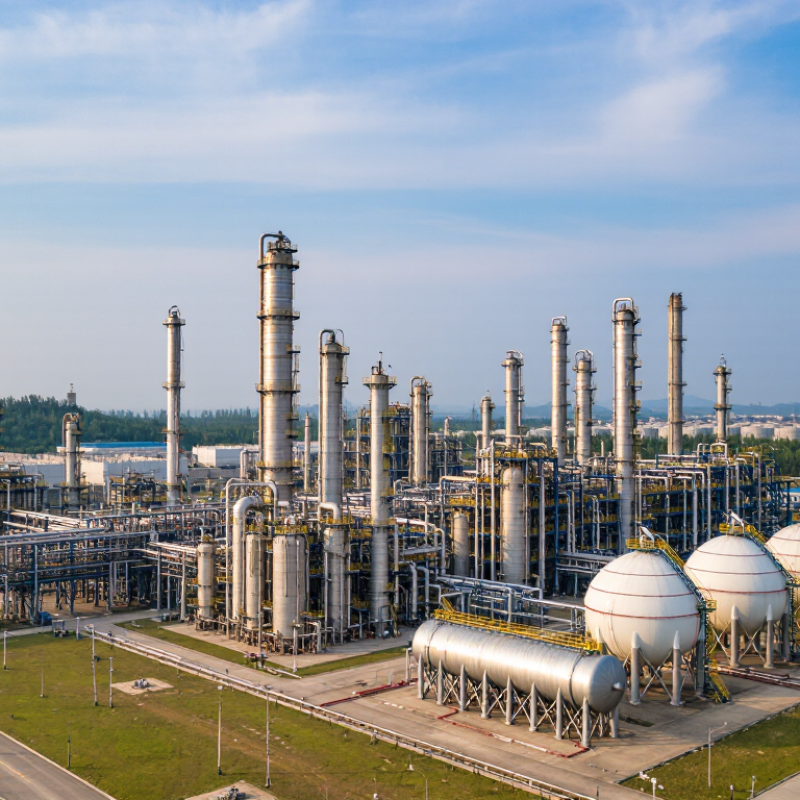
How Are Chemical Building Blocks Identified and Ranked in 2026?
In 2026, chemical building blocks should be ranked by measurable usefulness, not market buzz. Start by identifying molecules that feed many value chains, such as ethylene, propylene, methanol, ammonia, and benzene. Then score each against downstream demand, production capacity, price volatility, supply resilience, and lifecycle emissions. Give every factor a published weight. Otherwise, the ranking is just opinion.
The International Energy Agency’s 2018 report, The Future of Petrochemicals, projected that petrochemicals would drive more than one-third of global oil-demand growth through 2030. That makes feedstock exposure a practical ranking factor, not a footnote. Compare regional production and trade data with energy use and emissions figures; these can reveal why the same molecule ranks differently across markets. Keep the year and geography consistent. Data gaps remain, and scoring systems can hide them.
Tips: Use a simple 1–5 scorecard, and publish the weights. Check whether a high-volume building block also has diverse suppliers and lower-carbon production routes. Revisit scores quarterly. Rankings age quickly.
Which Petrochemical Molecules Anchor Global Manufacturing?
Global manufacturing depends on a compact set of petrochemical molecules. Ethylene becomes polyethylene, found in packaging films, pipes, and insulation. Propylene feeds polypropylene for vehicle parts, appliance housings, and woven sacks. Benzene supports resins, synthetic fibers, and coatings. Methanol is another versatile intermediate, used in chemical production and materials. These molecules are small. Their supply chains are not.
The scale is substantial. The OECD’s Global Plastics Outlook (2022) reports that global plastics production reached 460 million tonnes in 2019, twice its 2000 level. That growth helps explain why ethylene and propylene capacity matters far beyond chemical plants. Ammonia anchors a different chain, supplying nitrogen for fertilizer and supporting food production. The International Energy Agency’s Ammonia Technology Roadmap (2021) estimates production at about 185 million tonnes in 2020. It also notes that ammonia production consumes around 2% of global final energy. These figures describe a system with real trade-offs: essential materials can carry significant energy and emissions costs. The IEA’s Future of Petrochemicals (2018) highlights how rising demand for plastics and fertilizers is shaping energy use. Forecasts are not guarantees, though; efficiency, recycling, and changing product choices can alter the picture.
Which Inorganic Building Blocks Serve Essential Industries?
In 2026, several inorganic chemicals remain essential because they support many industries at once. Ammonia supplies nitrogen for fertilizers and also feeds other chemical processes. Sulfuric acid is used in mineral processing, metal refining, and fertilizer production. Sodium hydroxide helps make pulp and paper, process alumina, and adjust industrial water. Small inputs matter.
Chlorine is important in water disinfection and in making materials such as PVC. Soda ash is a key ingredient in glass, from window panes to bottles. Silica also serves glassmaking and construction, while high-purity forms are used in some electronics applications. Their roles are well established, but production methods and environmental footprints can vary by site.
Tips: Check the intended grade, purity, and delivery form before comparing suppliers. Ask for current safety and quality documentation, and consider transport distance and process water use. A low price alone can miss practical costs.
The category is not perfectly tidy: some materials are basic feedstocks, while others are processed minerals with specialized grades. That distinction deserves attention. For buyers, dependable specifications and traceable testing often matter as much as volume. A small variation can affect a glass melt, treatment step, or production schedule, so verify requirements with qualified technical staff.
What Are the Top Chemical Building Blocks in 2026? Which Inorganic Building Blocks Serve Essential Industries?
Essential industrial uses across six sectors: agriculture, water treatment, construction, energy, metals, and manufacturing.
Values count the listed sectors in which each chemical is a key industrial input. They represent a use-based comparison, not production volumes or market size.
Which Renewable and Recycled Molecules Are Gaining Importance?
Renewable and recycled molecules are moving from pilot projects into practical supply chains, though progress remains uneven. Bio-based ethanol can be dehydrated into ethylene, a familiar starting point for packaging films and household materials. Plant sugars and agricultural residues also feed fermentation routes to lactic acid and succinic acid. These molecules can support polymers, coatings, and solvents, but performance depends on purity and consistent feedstock quality. That matters on factory floors. Moisture, color, or seasonal variation can disrupt a process more than a promising lab result suggests.
Recycled carbon is gaining attention too. Recovered PET can be broken into intermediates and rebuilt, while sorted plastic waste may yield oil-like feedstocks for chemical production. Captured carbon dioxide can also become carbon monoxide or methanol when low-carbon hydrogen and renewable power are available. These routes are not automatically climate-friendly; energy use, collection systems, and product lifetime all affect their footprint. Numbers matter. Buyers should compare verified lifecycle data, not just a molecule’s origin.
One uncomfortable point remains: renewable and recycled inputs are limited, and labels can sound more certain than supply chains really are. Not overnight. Scaling these materials will require better sorting and transparent accounting. A bale of mixed plastic still needs careful separation before it becomes useful feedstock.
| What Are the Top Chemical Building Blocks in 2026? Renewable and recycled molecules gaining importance across chemicals and materials | ||||
|---|---|---|---|---|
| Building block | Lower-carbon feedstock or route | Common downstream uses | Why it is gaining importance | Development status |
| Bio-based ethylene | Dehydration of bioethanol made from sugar- or starch-based biomass; the resulting ethylene is chemically identical to fossil-based ethylene. | Polyethylene, ethylene oxide, ethylene glycol, and other established ethylene derivatives. | It can substitute for fossil ethylene in existing production chains and products, subject to sustainable biomass supply and lifecycle performance. | Commercial route |
| Renewable methanol | Produced from biomass-derived synthesis gas, or from captured carbon dioxide combined with renewable hydrogen. | Formaldehyde, acetic acid, olefins, and methanol-based fuels and marine fuel blends. | It can serve as both a chemical feedstock and an energy carrier; climate benefits depend on the carbon source, hydrogen source, and process energy. | Commercial and scaling |
| Bio-based 1,3-propanediol | Fermentation of renewable sugars, followed by product recovery and purification. | Polytrimethylene terephthalate (PTT), solvents, coatings, and personal-care ingredients. | It provides a renewable alternative for a diol used in polymers and specialty applications, with fermentation routes already established. | Commercial route |
| Succinic acid | Fermentation of renewable sugars or other suitable biomass-derived feedstocks. | Polybutylene succinate (PBS), solvents, plasticizers, and intermediates for other chemicals. | Its four-carbon structure makes it a potential renewable platform molecule, although economics, feedstock choice, and market demand affect scale-up. | Commercial and developing |
| Recycled terephthalic acid (TPA) | Depolymerization of suitable post-consumer PET waste, followed by purification; some processes recover TPA together with ethylene glycol. | Recycled PET resin and polyester fibers. | It can return polyester waste to chemical building blocks and may handle feedstocks that mechanical recycling cannot readily process, depending on waste quality and process design. | Scaling chemical recycling |
| Recycled ethylene glycol (EG) | Recovered through chemical recycling of PET or produced through renewable-carbon routes; the specific pathway determines whether it is recycled or renewable. | PET and polyester manufacture, antifreeze, and other industrial applications. | Recovery alongside other PET-derived monomers can support circular polyester production and reduce reliance on virgin fossil feedstocks. | Route-dependent maturity |
| Pyrolysis oil from plastic waste | Thermal conversion of selected mixed or hard-to-recycle plastics in the absence of oxygen; the oil generally requires upgrading before use. | Potential feedstock for steam crackers and production of olefins and aromatic chemicals. | It offers a possible route to recover carbon from some plastic waste streams, but yields, contaminants, energy use, and waste sorting are important constraints. | Developing; upgrading required |
| Recycled caprolactam | Chemical depolymerization of nylon 6 waste, with recovered monomer purified for reuse. | Nylon 6 fibers, engineering plastics, and molded components. | It can enable repeated use of nylon 6 material when collection, sorting, and purification systems deliver suitable feedstock. | Commercial and scaling |
| Bio-based succinic acid-derived 1,4-butanediol (BDO) | Potentially produced by converting renewable sugars through fermentation intermediates; conventional BDO is typically fossil-derived. | Polybutylene succinate, tetrahydrofuran, and polyurethane-related applications. | Renewable routes could replace fossil carbon in a widely used intermediate, but route economics and reliable commercial supply remain key considerations. | Developing |
Note: “Renewable” refers to carbon from replenishable biological resources or renewable-energy-based carbon conversion; “recycled” refers to carbon recovered from waste. A lower-carbon outcome is not automatic: lifecycle emissions, feedstock origin, process energy, product quality, and allocation methods all matter.
Where Are These Building Blocks Used Across Major Industries?
Ethylene and propylene sit near the center of modern chemical manufacturing. Ethylene becomes polyethylene for packaging films, pipes, and household containers. Propylene feeds polypropylene used in car interiors, reusable tubs, and medical packaging. On a factory floor, these materials may begin as colorless liquids or gases, then emerge as pellets ready for molding.
Aromatic building blocks such as benzene, toluene, and xylene serve different needs. They support production of synthetic fibers, coatings, insulation, and components for electronics. Methanol is used to make resins and other intermediates, while ammonia supports fertilizers that help maintain crop yields. Small molecules, wide reach. The connection is not always visible: a foam panel in a building or a polyester shirt may depend on several steps of chemical conversion.
Uses vary by region, technology, and feedstock, so calling any list “top” can hide important differences. A plant using natural gas may have a different cost profile from one using naphtha. Manufacturers also assess energy use, process efficiency, and product performance when choosing materials. The picture is still shifting, and even familiar building blocks can have less straightforward supply chains than expected.
