How to Start an Electric Charging Station Business Successfully?
The Electric Charging Station Business is rapidly growing, driven by the global shift towards electric vehicles (EVs). According to recent reports, the number of EVs is expected to reach 145 million by 2030. This surge creates a substantial demand for charging infrastructure. As potential entrepreneurs explore this field, understanding market dynamics is essential.
However, entering the electric charging station market is not without its challenges. Factors like site selection, regulatory compliance, and technology integration can complicate initial planning. Reports indicate that identifying optimal locations can lead to better foot traffic and revenues, yet many new operators overlook this.
Investing in the Electric Charging Station Business requires more than capital; it demands industry knowledge and strategic foresight. While profitability is achievable, careful evaluation of market competition and customer preferences is crucial for long-term success. Potential pitfalls exist, and readiness to adapt will distinguish successful businesses from those that struggle.
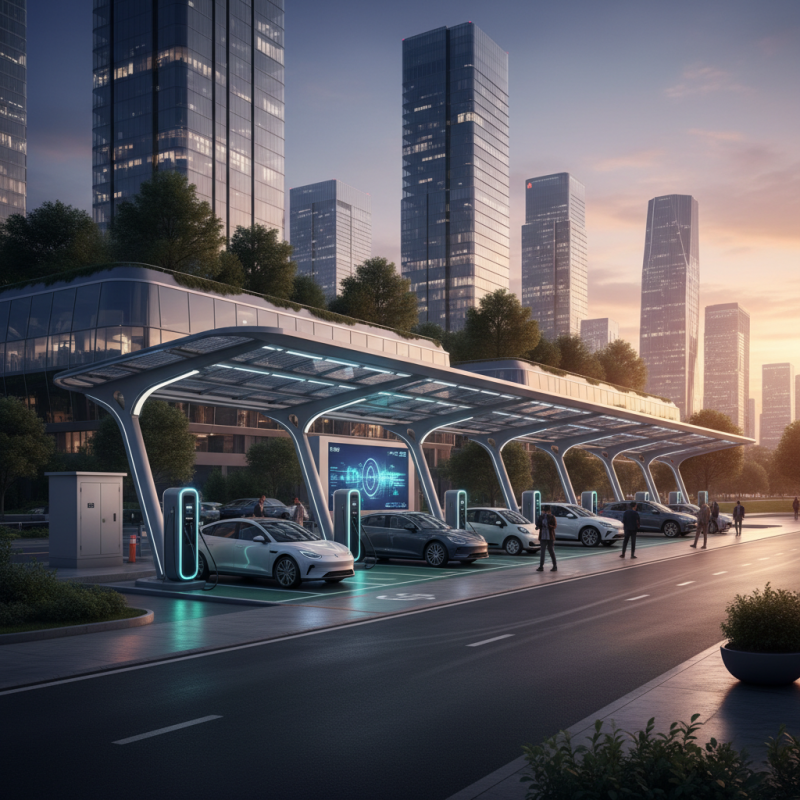
Understanding the Electric Vehicle Charging Market Landscape
The electric vehicle charging market is rapidly evolving. Understanding this landscape is crucial for anyone looking to enter the business. Recent years have seen an increase in electric vehicle sales, which directly impacts charging station demand. However, the market is not without challenges. Competition is fierce, and location plays a vital role in success.
One significant detail to consider is the type of chargers offered. Level 2 chargers are common for residential areas, while DC fast chargers attract more customers in strategic locations. Additionally, infrastructure investment is essential. Investing in sightlines and visibility can be costly but necessary. Users will choose stations they can easily access.
Moreover, understanding local regulations and partnerships can provide advantages. However, navigating these can be complex and time-consuming. Some entrepreneurs may overlook safety standards or environmental regulations, leading to potential setbacks. Taking the time to research these aspects can prevent future issues and enhance credibility. An informed approach will help you build a reliable business in this emerging market.
Identifying Suitable Locations for Your Charging Station
Identifying suitable locations for your electric charging station is crucial. A well-chosen site can attract more customers and generate higher revenue. Look for places with high foot traffic. Shopping malls, restaurants, and busy neighborhoods are ideal spots. They provide visibility and accessibility for potential users.
Consider the proximity to major highways as well. Drivers often seek charging options during long trips. A charger near an interstate can serve travelers effectively. Evaluate the competition nearby. If many stations are already established, will yours stand out? Sometimes, too much competition can lead to diminished returns.
Conduct surveys to understand the needs of your community. Ask locals where they would prefer to charge their vehicles. Analyzing traffic patterns is vital too. Busy areas can yield more customers initially, but not all busy streets will maintain traffic over time. Reflect on your choices as you develop your strategy for optimal placement.
How to Start an Electric Charging Station Business Successfully? - Identifying Suitable Locations for Your Charging Station
| Location Type | Potential Foot Traffic (Vehicles/Day) | Proximity to Amenities | Competition Level | Average Parking Duration (Hours) |
| Shopping Malls | 3000 | High | Medium | 2-3 |
| Gas Stations | 2000 | Medium | High | 15-30 mins |
| Public Parking Lots | 1500 | High | Low | 1-2 |
| Workplaces | 1000 | Medium | Low | 6-8 |
| Electric Utility Sites | 500 | Low | Very Low | 2-4 |
Obtaining Necessary Permits and Compliance Regulations
Starting an electric charging station business involves navigating various permits and compliance regulations. The local government typically controls zoning laws. Each region might have different requirements. Therefore, it is essential to conduct thorough research early in the process. You may need a business license specific to your area. Environmental assessments could also be necessary depending on your location.
Navigating the permits can be complex. Power supply agreements must be in place to ensure stable electricity access. Engaging with local utilities early can help you understand the requirements. They can also guide you on compliance with safety regulations. Be prepared for inspections during the installation process. These can delay the project if not properly managed.
Some entrepreneurs overlook the technical aspects of compliance. It’s crucial to stay updated on evolving regulations. For example, new building codes can emerge as electric vehicles grow in popularity. Familiarity with these rules is essential. You may find inconsistencies in what local laws require. Document everything and consider hiring a professional consultant. This could save you time and potential fines in the future.
Choosing the Right Equipment and Technology for Charging Stations
Choosing the right equipment and technology for electric charging stations is critical for success. The market is evolving rapidly, making it essential to stay updated. Start with understanding the different types of chargers: Level 1, Level 2, and DC fast chargers. Each type has unique features and advantages. Level 1 chargers are slower and best suited for home use. Level 2 chargers offer faster charging, ideal for public stations.
Investing in reliable technology is key. Look for units with user-friendly interfaces and robust payment systems. Many users prefer contactless payment for convenience. Exploring future-proof options is wise. As battery technology advances, compatibility with upgraded vehicles is important.
Don't underestimate site planning. The location should attract traffic, such as near shopping centers or busy roads. Assess power supply capabilities. Insufficient power can limit charger installation. Regularly review industry trends and customer feedback. Adapting your approach is essential as new technologies emerge. Mistakes are inevitable, but they provide valuable learning experiences. Embrace flexibility to develop a successful charging station business.
Electric Charging Station Business Overview
Developing a Marketing Strategy to Attract EV Users
Developing a marketing strategy for an electric vehicle (EV) charging station business requires understanding the target audience. Recent studies from the International Energy Agency show that the global electric vehicle stock reached over 10 million in 2020. This number is projected to grow sharply as more consumers prioritize sustainability. To attract EV users, businesses should focus on their specific needs and preferences.
Location is crucial. An effective marketing approach should identify high-traffic areas like shopping centers or business districts. Offering competitive pricing is another consideration. Many users look for cost-effective charging solutions. Providing incentives, such as discounts for frequent users, can also enhance customer loyalty. A report from the U.S. Department of Energy states that over 60% of EV users prefer publicly accessible charging stations. Therefore, visibility will help capture interest from passersby.
Engagement through social media is essential. Platforms like Instagram and Twitter can showcase convenience and promote local events, attracting a tech-savvy audience. Collaborating with local environmental organizations can boost credibility and create awareness. As the sector grows, adapting to emerging trends becomes essential. Continuous learning from feedback and market shifts will be key to long-term success. Is the strategy flexible enough to evolve? This consideration can lead to improved customer relationships and sustained business growth.