How to Remove Mold from Disposable Food Containers?
Mold can be a troublesome issue, especially in Disposable Food Containers. These containers are convenient for quick meals. However, they can harbor uninvited guests like mold. This often happens when food is left inside or washing is incomplete.
Addressing Disposable Food Container Mold isn't just about aesthetics. Mold growth can pose health risks. Many people overlook the need for thorough cleaning of these containers, which can lead to repeated mold issues. Ignoring mold can also affect food taste and safety.
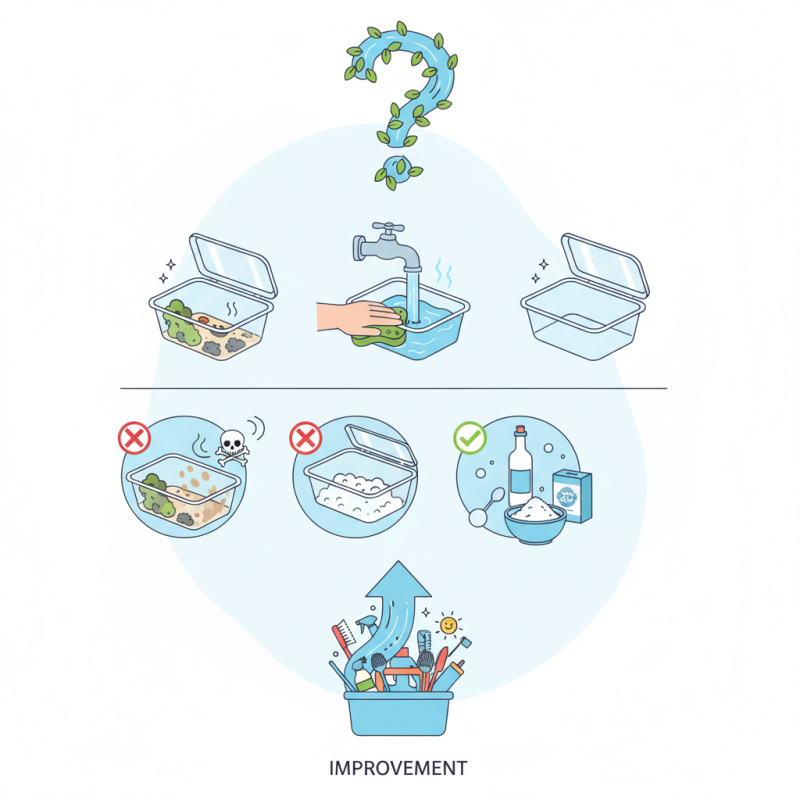
Some common steps do help in tackling this problem. Using soap and hot water is a starting point. However, sometimes, more effort is needed. When containers remain stained or odorous, it's a sign they need a deeper clean. Adding ingredients like vinegar or baking soda can enhance cleaning power. Still, results can vary, leaving room for improvement in household cleaning strategies.
Understanding Mold Growth in Food Containers
Mold can thrive in food containers, especially if they are not cleaned properly. The warm, moist environment from leftover food creates an ideal habitat for mold spores. It's important to understand how mold grows to prevent it from becoming a recurring issue. Even a small amount of moisture can trigger mold growth. Awareness is key in maintaining clean food storage.
One effective tip is to always dry containers thoroughly after washing. Even a light residue of water can lead to mold. Try using absorbent towels or air dry in a safe location. Also, consider using vinegar or baking soda as natural cleaning agents. They can help eliminate mold spores.
Stay vigilant when storing food. Consider labeling your containers and using them within a certain timeframe. Mold loves to linger in forgotten corners. A simple check before putting away items can save time in the long run. Regular inspections bring peace of mind.
How to Remove Mold from Disposable Food Containers? - Understanding Mold Growth in Food Containers
| Container Type | Material | Common Causes of Mold | Cleaning Method | Prevention Tips |
| Plastic Containers | Polypropylene | Food residue, moisture | Wash with hot soapy water, use vinegar solution | Ensure containers are completely dry before storage |
| Foam Containers | Polystyrene | High humidity, leftover food | Avoid soaking; wipe with vinegar | Use immediately after purchase, avoid storage |
| Aluminum Containers | Aluminum foil | Acidic foods, moisture | Wash and dry thoroughly, avoid storing foods | Store in a cool, dry place |
| Glass Containers | Glass | Food buildup, moisture | Clean with soap and water or baking soda | Use airtight lids and dry after washing |
Identifying Different Types of Mold on Containers
Mold can appear in various forms on disposable food containers. Understanding the types of mold is key to effective removal. Common types include black mold, green mold, and white mold. Black mold often appears as dark spots. It's typically the most concerning due to its potential health risks. Green mold can look fuzzy, often found in damp areas. White mold may resemble a powdery substance and can be mistaken for dust.
To identify these molds, inspect the surface carefully. Look for any unusual colors or textures. Sometimes, mold may be hidden under food residues. Even if a container looks clean, be diligent. Mold can thrive in microscopic quantities.
If you notice a container with mold, it's best to avoid using it again. The risks might outweigh any financial savings.
Remember, prevention is crucial. Store food properly and clean containers after each use. Avoid stacking damp containers, which can trap moisture. Take note that mold can often reappear if conditions allow.
Regularly inspect your containers to keep them safe for use.
Safety Precautions Before Cleaning Mold
Cleaning mold from disposable food containers can be tricky. Before you start, consider safety precautions. Mold spores can be harmful when inhaled or ingested. It’s essential to wear gloves and a mask to protect yourself. Ensure you are in a well-ventilated area. Proper ventilation helps reduce exposure to spores.
Take a close look at the containers. Some may have deep-set mold, making them harder to clean. Dispose of heavily contaminated containers instead of trying to salvage them. After cleaning, wash your hands thoroughly. Use hot, soapy water for washing, even if you wore gloves. Remember, not all cleaners are safe. Avoid harsh chemicals that may linger on the surface. Choosing a safe cleaning method is crucial. Reflect on your cleaning habits, and be mindful of how often containers are used and stored.
Step-by-Step Guide to Removing Mold
Mold can be a stubborn problem, especially on disposable food containers. However, removing it is essential to ensure your food stays safe. Begin by inspecting the container carefully. Check for any visible mold spots. Don't overlook hidden corners where mold might be lurking.
Next, prepare a cleaning solution. A mix of white vinegar and water works well. Use equal parts of both for an effective natural cleaner. Soak a cloth or sponge in this solution. Gently scrub the affected areas, focusing on tough spots. Rinse thoroughly with warm water afterward.
Dry the containers in sunlight if possible. Sunlight is a natural mold killer. If the container still has a lingering smell, repeat the cleaning process. Some molds cling tightly and may require a second treatment. Always make sure the containers are completely dry before storing them. This step is crucial to prevent mold from returning. Mold thrives in damp environments, and keeping your containers dry is key to long-term mold prevention.
How to Remove Mold from Disposable Food Containers
This chart displays the effectiveness of different mold removal methods for disposable food containers based on user-reported satisfaction rates.
Preventing Future Mold Growth on Food Containers
Preventing mold growth on food containers requires careful practices. Always ensure that your containers are completely dry before storing them. Moisture is a key factor in mold development. If your containers are wet, mold can appear quickly. Consider using paper towels to dry them thoroughly. This simple step can make a big difference.
Storing food properly also helps. Use airtight lids when possible. This prevents external moisture from creeping in. Leaving containers uncovered can lead to unwanted mold. If you notice any residue or spills, clean them immediately. Mold can grow in just a few days, especially in humid environments. Remember that leftovers should be consumed promptly to avoid contamination.
Regularly check your containers for signs of mold. If you spot any, take action immediately. Don't wait for it to spread. Learning to spot mold early can save you a lot of trouble later. Mold thrives in damp environments, so find ways to keep your kitchen dry. Small changes can greatly reduce the chances of mold reappearing.