Top 10 Perforated Mesh Machine Features Buyers Should Know?
In today’s competitive manufacturing landscape, selecting the right Perforated Mesh Machine is crucial. The global market for perforated metals is expected to reach USD 3.5 billion by 2026, growing steadily due to increased applications across various industries. Buyers must be aware of key features that enhance operational efficiency and product quality.
Industrial experts highlight that not all perforated mesh machines are created equal. Features such as precision hole placement, durability, and ease of use can significantly affect production. According to a recent report, up to 30% of production downtime can stem from machine inefficiencies. Understanding the essential attributes of a perforated mesh machine helps mitigate risks and optimize investment.
It is worth noting that many buyers overlook the importance of after-sales support. This can lead to operational challenges down the line. A well-informed purchasing decision increases reliability and performance, ensuring that manufacturers can meet evolving market demands. The right machine will not only improve productivity but also offer long-term benefits that justify the initial investment.
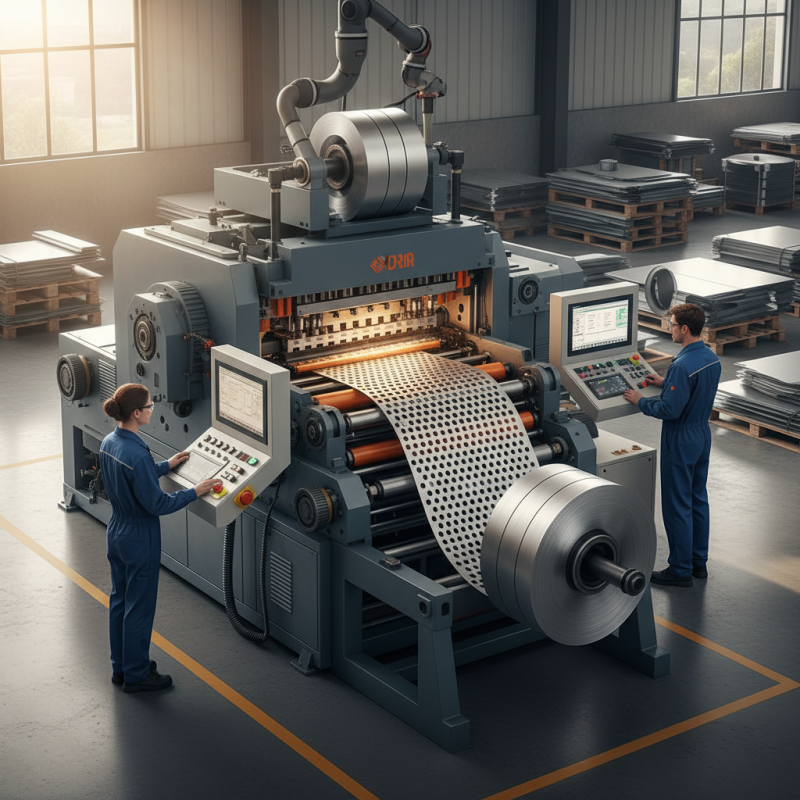
Essential Features of Perforated Mesh Machines Explained
When considering a perforated mesh machine, buyers should focus on essential features that enhance functionality and efficiency. One crucial aspect is the type of punching mechanism used. Hydraulic and mechanical options offer different advantages. Hydraulic systems tend to deliver more power, while mechanical options can be faster. Understanding these differences can help in making an informed choice based on your production needs.
Another critical feature is the versatility in materials handled. A reliable machine should accommodate various metals, including stainless steel and aluminum. This capability not only broadens the machine's utility but also allows for different mesh designs. Buyers should also look for machines that offer adjustable hole sizes. This flexibility is vital for tailoring products to meet specific market demands in industries ranging from construction to decorative applications.
Finally, consider the ease of operation and maintenance. User-friendly interfaces and automated features can significantly reduce training time for new operators. Moreover, machines that require fewer maintenance interventions can offer long-term cost savings. Reflecting on these aspects ensures a more strategic investment in perforated mesh technology. It’s essential to weigh these features against your specific production goals and budget constraints for optimal performance.
Understanding the Role of Material Selection in Mesh Performance
Material selection plays a crucial role in the performance of perforated mesh machines. The right materials enhance durability and efficiency. Data from the International Fabrication Report emphasizes that 70% of machine failures are linked to inadequate material choices. Metals, polymers, and composite materials each offer unique benefits and drawbacks. For instance, stainless steel provides high corrosion resistance but may not be as lightweight as aluminum.
When evaluating perforated mesh machines, consider material properties like tensile strength and flexibility. According to industry studies, 55% of operators report improved output when using the right mesh materials. A poorly chosen material can compromise structural integrity, leading to operational downtime and increased costs. Recognizing these material characteristics is vital for informed decision-making.
Another factor is the compatibility of the mesh with specific applications. Each type of application demands different material traits. For example, food processing requires materials that resist contamination. Yet, some operators underestimate the importance of material robustness, leading to suboptimal performance. This oversight can result in higher maintenance costs and reduced longevity. Understanding the nuances in material selection is fundamental to maximizing mesh performance.
Key Specifications That Influence Machine Efficiency and Production
When evaluating perforated mesh machines, certain specifications directly impact their efficiency and production capacity. Features such as mesh thickness and hole size play crucial roles in determining the application's suitability. According to industry reports, machines with a wider range of perforation sizes increase adaptability across various manufacturing processes. Many businesses overlook the upstream effects of underestimating these dimensions, potentially resulting in lower output quality.
Another critical parameter is the speed of the perforation process. High-speed machines can boost productivity, but operational inconsistencies often arise when pushing limits. Many studies indicate that machines operating at optimal speeds yield better results and longevity. Buyers should assess whether they have the infrastructure to support such efficiencies over time. A machine that cannot maintain consistent performance may lead to increased downtime and production delays, which ultimately affects the bottom line.
Durability and maintenance requirements also warrant attention. Frequent breakdowns not only hinder operations but can also escalate costs. Less robust machines may require more attention and thus compromise overall production efficiency. Reports suggest that investing in higher-quality components might seem costly initially but can generate savings through reduced maintenance and downtime in the long run. Proper evaluation of these factors is essential for making an informed purchasing decision.
Maintenance Considerations for Longevity of Perforated Mesh Machines
Maintaining perforated mesh machines is crucial for their performance and durability. Regular cleaning can prevent debris accumulation. According to industry data, machine downtime due to unanticipated failures can be as high as 25%. This can lead to significant production losses and increased costs, highlighting the importance of proactive maintenance.
Lubrication is another key aspect. Ensuring that moving parts receive adequate lubrication reduces friction and wear. Individuals often overlook this step. Regular checks on conveyor speeds and tension can also enhance machine longevity. Studies show that well-maintained perforated mesh machines can last up to 30% longer than those that are not properly cared for.
Monitoring operational conditions is essential. Vibration analysis can reveal underlying issues that may not be immediately visible. Neglecting these signs is a common pitfall in the industry. An eye on environmental factors, such as humidity and temperature, can guide adjustments for optimal functioning. Engaging in these practices fosters reliability and efficiency, ensuring that your machinery continues to perform at its best.
Top 10 Features of Perforated Mesh Machines
Comparative Analysis of Automation Levels in Mesh Production Equipment
When evaluating mesh production equipment, automation levels play a crucial role in efficiency. Automated machines reduce manual labor. They streamline production processes, saving time and costs. However, automation is not one-size-fits-all. Different applications may require distinct levels of automation.
Some manufacturers may oversell automation benefits. It's important to assess whether full automation suits your needs. Semi-automated machines can offer flexibility. These may be better for smaller operations with varying production demands. Buyers should ask about the integration of automation into existing systems. This ensures compatibility and reduces downtime.
Consider the learning curve. Highly automated machines may require skilled operators. Investing in training is essential. A knowledgeable workforce can enhance productivity. Regular maintenance of automated components is vital. This prevents breakdowns and ensures consistent mesh quality. Always keep quality in mind. Automated equipment should not compromise on the mesh standards.
Choosing the right automation level can be challenging. Reflect on your production goals and capacity. Balancing automation and manual processes can lead to optimal results.