What is an Overflow Valve Block and How Does it Work?
An Overflow Valve Block is an essential component in hydraulic systems. It regulates excess fluid pressure, ensuring safe operation. When the pressure exceeds a set limit, this device opens to release extra fluid. This process prevents damage to machinery and maintains consistent performance.
Understanding how the Overflow Valve Block operates is crucial for efficient system management. Frequent pressure shifts can wear out components faster. A well-functioning block minimizes these risks. However, not all designs are perfect. Some may fail under certain conditions, leading to system failures. Regular maintenance is vital to avoid such issues.
In industries relying on hydraulic technology, the Overflow Valve Block plays a key role. It keeps systems running smoothly. Without it, equipment may face serious risks. Operators must be mindful of its importance and inspect it regularly. Building awareness around this component can enhance overall safety and efficiency.
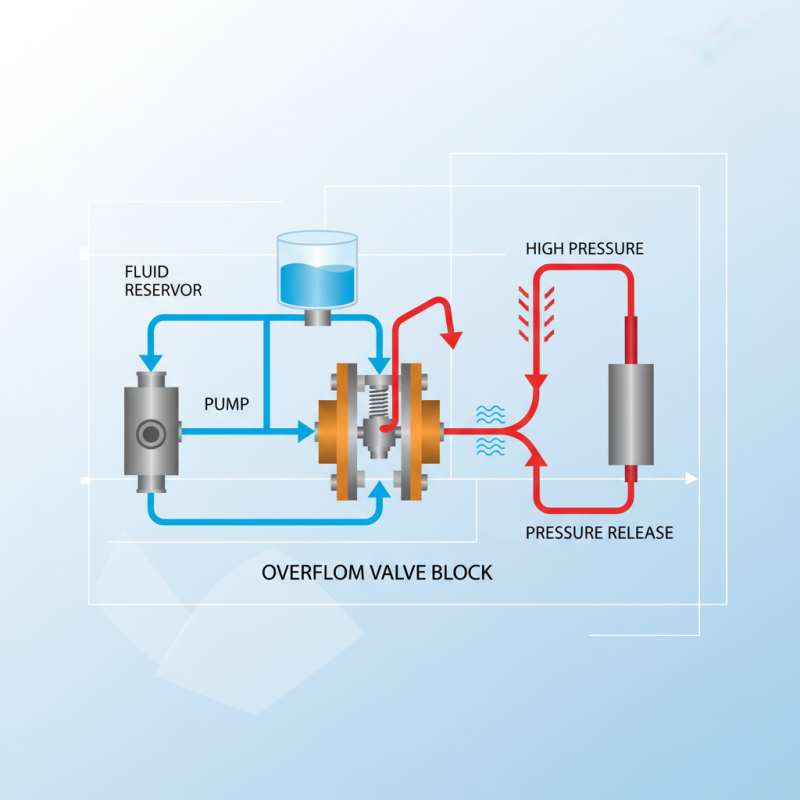
What is an Overflow Valve Block?
An overflow valve block is a crucial component in hydraulic systems. It helps manage pressure by diverting excess fluid. Typically, it contains valves that open at a predetermined pressure, allowing fluid to escape. This action prevents damage to equipment by avoiding over-pressurization.
In many industrial applications, overflow valve blocks contribute to system efficiency. According to a 2021 report by the Hydraulic Industry Association, effective pressure control can enhance system performance by up to 30%. When systems operate under optimal pressure, energy consumption can also decrease significantly. Many engineers overlook this aspect, potentially leading to costly failures.
Moreover, regular maintenance of these blocks is often neglected. Dirt and debris can impair their function, diminishing system reliability. Inadequate attention to overflow valve blocks can create vulnerabilities, leading to unexpected downtime. Refining maintenance schedules and practices can improve overall system health and extend longevity.
The Purpose and Functionality of Overflow Valves
Overflow valves play a crucial role in hydraulic systems. They ensure the system doesn’t exceed pressure limits. When pressure rises too high, the valve opens to divert excess fluid. This helps protect components from damage. Consequently, they maintain system integrity and reliability.
The functionality of overflow valves is straightforward yet vital. They respond automatically to pressure changes. A spring mechanism inside the valve controls its operation. If pressure increases, the spring compresses. Eventually, it releases the fluid, preventing potential failures. Regular maintenance is essential to avoid malfunctions. Even small debris can interrupt the flow.
Understanding how overflow valves work can enhance system performance. They serve as a safety net in critical situations. Observing their behavior can reveal areas for improvement. Regular checks can ensure they function as intended. Paying attention to details may prevent larger issues down the road.
What is an Overflow Valve Block and How Does it Work? - The Purpose and Functionality of Overflow Valves
| Dimension | Description | Functionality |
| Pressure Setting | Defines the maximum allowable pressure in the system | Prevents system overload and potential damage |
| Flow Rate | The volume of fluid that can pass through the valve | Ensures optimal performance by regulating flow |
| Adjustment Mechanism | Method by which the pressure setting is altered | Allows for manual or automatic pressure adjustments |
| Temperature Rating | Maximum temperature the valve can withstand | Ensures safe operation under varying thermal conditions |
| Material Construction | The materials used in the valve's construction | Affects durability and compatibility with fluids |
How Overflow Valve Blocks Regulate Pressure in Systems
Overflow valve blocks play a crucial role in maintaining pressure within hydraulic systems. These components prevent excessive pressure buildup, ensuring safe and efficient operation. When the system pressure exceeds a set limit, the overflow valve opens. This allows fluid to bypass, reducing pressure quickly. It’s a simple yet effective solution to avoid potential damage.
In many applications, the pressure regulation is vital. Think of hydraulic machinery in construction. High pressures can lead to failures. An overflow valve block provides a safety measure to control it. Operators often check these valves to ensure they function properly. However, wear and tear can be an issue. Regular maintenance is essential, yet it is sometimes overlooked.
Understanding how these valves work is important. They must react promptly to pressure changes. But what happens when they fail to do so? This can result in catastrophic outcomes. Implementing a robust monitoring system may help. Operators should be vigilant and proactive, ensuring the longevity of overflow valve blocks.
Common Applications of Overflow Valve Blocks in Industries
Overflow valve blocks are essential in various industrial applications. They auto-regulate pressure, preventing damage to equipment. When the pressure exceeds a set limit, these valves open. This allows fluid to return to the reservoir. A study by the Fluid Power Journal highlights that proper use of overflow valve blocks can extend equipment lifespan by 30%.
In the automotive industry, overflow valve blocks manage hydraulic systems. They help control pressure in braking systems. A report from the Society of Automotive Engineers noted that 40% of mechanical failures are linked to pressure issues. Overflow valve blocks play a crucial role here. In manufacturing, they ensure consistent pressure in hydraulic presses. Inadequate pressure regulation can result in product defects, affecting quality.
Despite their benefits, there are areas that need improvement. Some installations see frequent failures. This can lead to costly downtimes. Regular maintenance is necessary, but often overlooked. A maintenance schedule can reduce these issues, making overflow valve blocks more reliable. Understanding their working can help industries avoid these pitfalls.
Common Applications of Overflow Valve Blocks in Industries
Maintenance and Troubleshooting of Overflow Valve Blocks
Overflow valve blocks are critical components in many hydraulic systems. They regulate fluid pressure and prevent overloading. However, like any mechanical part, they require regular maintenance to function optimally. Neglecting maintenance can lead to performance issues and potential system failure.
Regular inspection is essential. Look for signs of leaks or corrosion. Check seals and connections for integrity. Cleaning the valve block can also help avoid buildup that impairs function. It is important to flush out contaminants that can accumulate over time. Setting a schedule for routine checks can make a difference.
When troubleshooting, listen for unusual noises during operation. They can indicate internal problems. A sudden drop in system pressure may suggest a blockage or failure. Testing valves and pressure settings often helps identify the root cause. It’s beneficial to keep a log of any issues. This can reveal patterns over time, leading to improved reliability.