What is Laser Cutting and How Does It Work?
Laser Cutting is a revolutionary technology that has transformed various industries. It is widely used for precise and efficient material processing. The method employs a focused beam of light to cut or engrave materials like metal, plastic, and wood. With its high accuracy, Laser Cutting minimizes waste and saves time in production.
This process begins with directing a laser beam onto the material's surface. The intense heat from the beam melts or vaporizes the material. Despite its advantages, Laser Cutting is not without challenges. The setup can be complex, and the initial investment might be high. Additionally, operators must be skilled to achieve optimal results. Over time, as technology advances, Laser Cutting continues to evolve, offering more possibilities and applications.
Understanding Laser Cutting requires examining both its benefits and limitations. The precision it offers is unmatched, yet mastering the technique can be daunting. Innovators in this field constantly strive for improvement, making it an exciting area for exploration.
What is Laser Cutting?
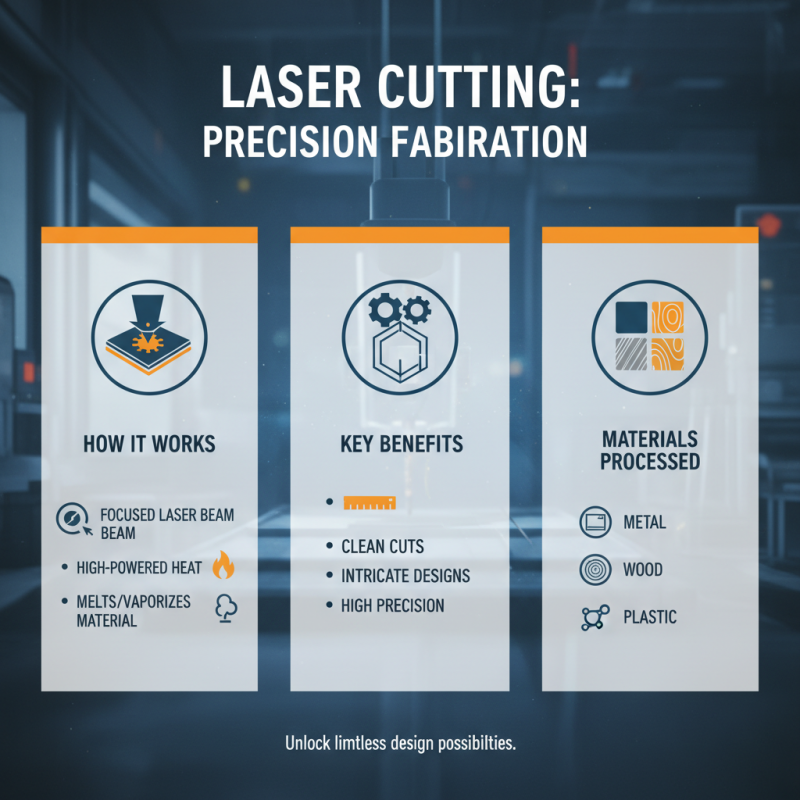
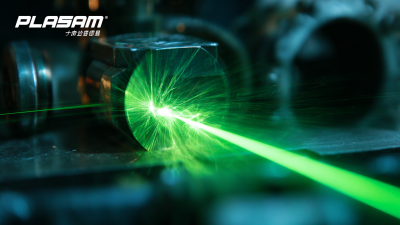
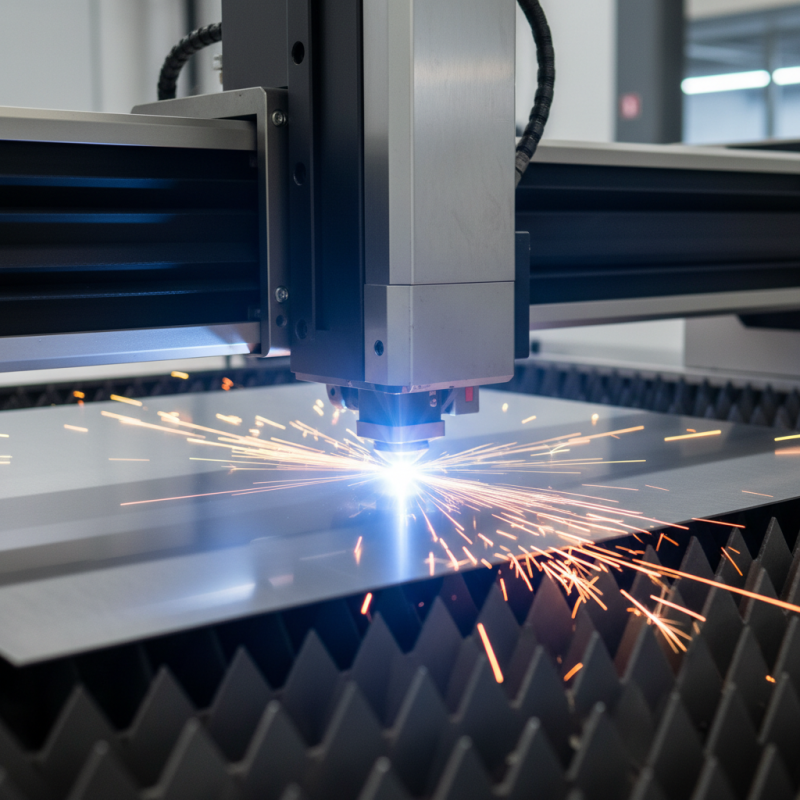
Laser cutting is a precise fabrication process that uses focused laser beams to cut materials. This technology effectively processes materials like metal, wood, and plastic. It works by directing a high-powered laser through a lens, concentrating light on a small area. The heat generated melts or vaporizes the material, creating clean cuts and intricate designs.
One tip for those interested in laser cutting is to consider material thickness. Thicker materials require more power and slower speeds. This can affect the quality of the cut. For example, cutting through thick metal may leave rough edges. Testing different settings on scrap material is crucial for achieving the desired outcome.
Another important tip is to keep the laser optics clean. Dust or residue can impair performance. Regular maintenance on the machine will keep it running smoothly. Understand that the learning curve may be steep, but patience will pay off in the end. There will be mistakes, but each one teaches you something valuable. Embrace the process of experimentation.
The Basics of Laser Technology Used in Cutting
Laser cutting is a precise and efficient method that uses focused laser beams to cut materials. This technology relies on the principle of converting electrical energy into a concentrated light beam. According to a market analysis report, the global laser cutting market is projected to grow significantly, expected to reach $6.8 billion by 2026. This growth reflects the efficiency and accuracy laser cutting offers across various industries.
Materials like metal, plastic, and wood can be processed using laser cutting. The laser beam melts or vaporizes the material, allowing for intricate designs and shapes to be achieved. Reports indicate that laser cutting can produce tolerances of ±0.1 mm in thickness. Such precision opens up possibilities for complex components in sectors like aerospace and automotive.
Nonetheless, the technology does have limitations. Surface finishing may become an issue, as rough edges sometimes appear. Additionally, thicker materials can pose challenges for successful cutting. Operators must adjust settings carefully to avoid imperfections. Despite these challenges, the integration of advanced software and sensors continues to enhance laser cutting capabilities.
How Laser Cutting Works: The Process Explained
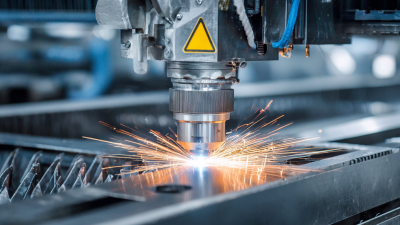
Laser cutting is a precise method that uses focused light beams to cut through various materials. The process begins with a laser generating a concentrated beam of light. This beam travels through optics and focuses on the material to be cut. The high energy heats the material, melting or vaporizing it. According to a report by MarketsandMarkets, the global laser cutting machine market is expected to reach USD 4.25 billion by 2026, reflecting the increasing demand for precision in manufacturing.
The efficiency of laser cutting lies in its ability to create intricate designs without direct contact. This process minimizes mechanical stress on materials. It cuts through metals, plastics, and even textiles. However, while laser cutting boasts high precision, it can lead to issues such as heat-affected zones. Excessive heat may warp or damage the material. For thicker materials, cutting times can also increase, leading to inefficiencies.
Moreover, selecting the right type of laser is crucial for optimal performance. CO2 lasers are often preferred for non-metallic materials, while fiber lasers excel with metals. Each option presents advantages and weaknesses. Industry reports indicate that firms are increasingly investing in dual-source lasers to enhance versatility. It highlights an ongoing pursuit of exceptional precision and efficiency in laser cutting technology.
What is Laser Cutting and How Does It Work?
| Material |
Cutting Thickness (mm) |
Typical Applications |
Advantages |
| Stainless Steel |
0.5 - 20 |
Automotive Parts, Kitchenware |
High precision, Smooth edges |
| Aluminum |
0.5 - 15 |
Aerospace, Artwork |
Fast processing, Versatility |
| Acrylic |
2 - 25 |
Displays, Signage |
Clean cuts, High clarity |
| Wood |
3 - 30 |
Furniture, Decorative items |
Unique designs, Minimal waste |
| Fabric |
0.5 - 10 |
Apparel, Custom sewing |
Precision cuts, Versatile applications |
Applications of Laser Cutting in Various Industries
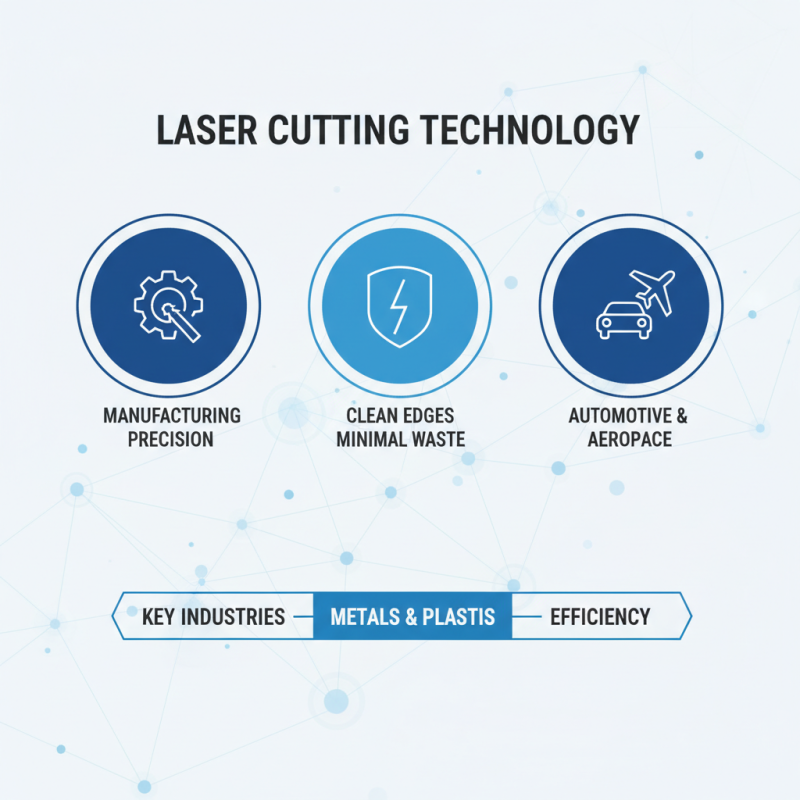
Laser cutting technology has found applications across various industries, transforming how materials are processed. In manufacturing, precision is key. Laser cutting allows for intricate designs in metals and plastics. It creates clean edges with minimal waste, which is crucial for production efficiency. This method is particularly favored in automotive and aerospace sectors for its accuracy.
The arts and crafts industry also benefits from laser cutters. Artists use this technology to create detailed patterns on wood, acrylic, and fabric. It opens new possibilities for customization. However, not all materials react well to lasers. Understanding material properties is essential to avoid mishaps. The construction sector also utilizes laser cutting for architectural designs and signage. The ability to cut complex shapes enhances creativity but requires careful planning.
Despite its advantages, laser cutting is not without drawbacks. Initial setup costs can be high. Maintenance is another consideration. Companies must also train staff to operate the machinery safely. Balancing these factors is vital for maximizing the technology's potential in various fields.
Advantages and Disadvantages of Laser Cutting Technology
Laser cutting technology offers many advantages. It produces precise and clean cuts. This method minimizes waste materials, leading to cost savings. According to a 2022 industry report, laser cutting can boost production efficiency by up to 30%. This efficiency is attractive for many manufacturers.
However, there are also significant downsides. The initial investment in laser cutting machines can be high. Maintenance costs may add up over time. A survey revealed that about 25% of companies found these costs challenging. Additionally, certain materials may not be suitable for laser cutting. This limitation can restrict design options. It’s essential to weigh these pros and cons carefully.