What is a Jack Screw Flange and How to Source Them?
A Jack Screw Flange is a crucial component in various mechanical applications. It plays a vital role in connecting pipes, ensuring stability, and accommodating adjustments. Engineers and manufacturers appreciate its unique design. This flange type allows for precise tensioning, which can be essential in high-pressure scenarios.
Sourcing Jack Screw Flanges can be challenging. The market offers numerous suppliers, but reliability varies. Understanding the material quality is fundamental. This ensures safety and durability in critical applications. It's not merely about finding any flange; it’s about finding the right one. Don't rush the process. Analyze supplier reputations and product specifications.
Moreover, the application of Jack Screw Flanges extends beyond common machinery. They serve in construction, automotive fields, and aerospace industries, showcasing their versatility. However, buyers may face mistakes due to insufficient research. It’s essential to reflect on these choices to avoid costly errors in the future.
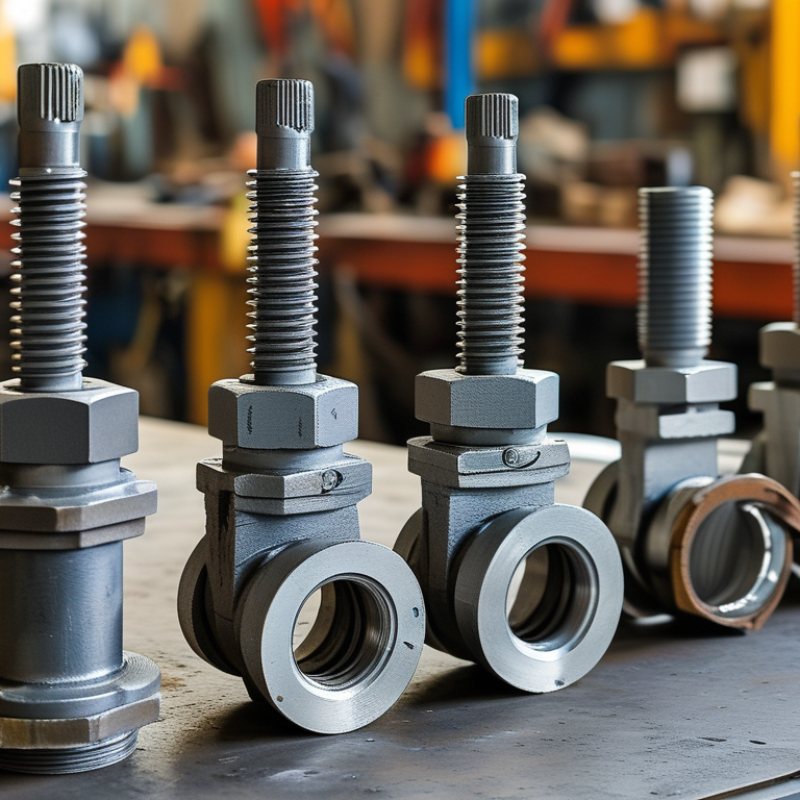
What is a Jack Screw Flange?
A jack screw flange is a specialized component used in various industries for securing and aligning piping systems. Its design incorporates a flange with an integrated jack screw, allowing for precise adjustments and stabilization of connected pipes. This feature is crucial in applications where alignment and support are vital, such as in oil and gas, chemical processing, and marine industries.
According to industry reports, the demand for jack screw flanges has risen by over 15% in the past five years. This surge is attributed to the increasing emphasis on safety and reliability in industrial operations. The unique ability of jack screws to handle heavy loads while providing fine adjustments makes them a preferred choice for engineers. A well-fitted jack screw flange can significantly reduce the risk of leaks and structural failures.
**Tip:** When sourcing jack screw flanges, consider the material types. Common materials include stainless steel and carbon steel, each suited for different environments. Always check for certifications that ensure quality standards.
It is essential to understand that not all jack screw flanges are created equal. Variations in manufacturing processes can lead to discrepancies in strength and performance. Always evaluate suppliers based on reliability and reviews from industry peers. This approach minimizes the risk of equipment failure due to subpar products.
Jack Screw Flange Usage by Material
This bar chart demonstrates the usage percentage of different materials in the manufacturing of Jack Screw Flanges. Material A has the highest usage at 25%, while Material E has the lowest at 10%. Understanding these materials can help in sourcing Jack Screw Flanges effectively.
Key Features and Specifications of Jack Screw Flanges
Jack screw flanges are essential components in various industries. They provide adjustable support and secure connections in piping systems, making them highly valued in demanding applications. These flanges allow precise alignment between connected parts. This ensures process efficiency and safety.
When sourcing jack screw flanges, pay attention to key features. Material choice is vital. Common materials include stainless steel and carbon steel. Each offers unique benefits in terms of corrosion resistance and durability. The size and threading of jack screws must also align with your specific application requirements. Proper specifications ensure a tight fit, preventing leaks.
Consider the installation process as well. Proper alignment and torque specifications are critical for effective usage. It’s common for users to face challenges during installation, which can lead to operational issues. Thoroughly researching the operational environment can help mitigate these risks. Always ensure that the sourced flanges meet industry standards for quality and safety.
What is a Jack Screw Flange and How to Source Them? - Key Features and Specifications of Jack Screw Flanges
| Feature | Specification | Material | Size Range | Pressure Rating |
| Adjustable Height | Up to 6 inches | Carbon Steel | 2" to 12" | 150 to 300 PSI |
| Corrosion Resistance | Coated Finish | Stainless Steel | 3" to 10" | 300 to 600 PSI |
| Load Bearing Capacity | High Load Rating | Alloy Steel | 1" to 8" | 150 to 900 PSI |
| Temperature Resistance | -40°F to 250°F | Plastic | 1" to 4" | 100 to 300 PSI |
| Installation | Easy Assembly | Composite Material | 2" to 8" | 150 PSI |
Applications and Industries Using Jack Screw Flanges
Jack screw flanges are essential components in various industries. Their unique design allows for precise adjustments and support for heavy loads. These flanges are widely used in construction, manufacturing, and oil and gas sectors. They provide stable connections for pipes, machinery, and structures. In construction, they are often found in scaffolding systems, ensuring safety as workers operate at heights.
In the oil and gas industry, jack screw flanges help manage pressures in pipelines. Their adjustable nature allows for easier maintenance and installation. This flexibility is crucial in environments where conditions frequently change. Manufacturing facilities use these flanges to support heavy machinery and equipment. However, sourcing reliable jack screw flanges can be challenging. One must consider factors such as quality, material specifications, and supplier reputation.
While many suppliers are available, not all provide the necessary expertise. It’s important to vet suppliers thoroughly. Look for reviews and case studies to assess their reliability. Some less experienced providers may not understand the specific requirements needed for certain applications. This can lead to improper installations or even safety hazards. Proper research and communication with suppliers can mitigate these risks.
How to Source Jack Screw Flanges: A Step-by-Step Guide
Sourcing Jack Screw Flanges involves a few essential steps to ensure quality and reliability. Start by defining your specifications. Determine the size, material, and load capacity you need. Consider industry standards; for example, ASME and ASTM provide guidelines on material properties and dimensions. These standards help ensure safety and compatibility.
Next, research potential suppliers. Reliable sources often have a strong online presence. Look for manufacturers with certifications and good customer reviews. A 2023 report from the Fastener Industry indicates that 70% of buyers prioritize supplier reliability over price. Don’t overlook the importance of previous customer feedback when evaluating options.
Tips: Always request samples before placing large orders. This helps verify quality. Stay updated on industry trends, as material prices can fluctuate. Networking within professional associations can lead to valuable supplier insights. These steps can streamline the sourcing process and assist in making informed decisions.
Best Practices for Selecting the Right Jack Screw Flange Supplier
When selecting a jack screw flange supplier, expertise is vital. Look for companies with extensive experience in manufacturing these components. Experienced suppliers understand the nuances of material selection and design specifications. They can offer insights into various applications and performance expectations. Consider suppliers who have worked across multiple industries, as they are more likely to address specific needs effectively.
Quality assurance is another key factor. A reliable supplier should have a rigorous quality control process. Look for certifications that demonstrate their commitment to high standards. Inspecting samples before bulk purchasing can reveal a lot about their production quality. Feedback from past clients can also guide you. Customer reviews often highlight the strengths and weaknesses of suppliers.
Keep communication open. Assess how responsive a supplier is to queries. Timely and clear communication reflects a professional attitude. Evaluate their willingness to provide detailed product information and support. Trust your instincts when something feels off. If responses are vague or slow, it could indicate future challenges. Consider these factors carefully before making a decision.