Why Are Galvanized Nails Preferred for Outdoor Projects?
When it comes to outdoor projects, the choice of fasteners significantly impacts durability and performance. Galvanized nails stand out as a preferred option in the construction industry. According to the American Galvanizers Association, more than 50% of builders favor galvanized products for their enhanced corrosion resistance. This is vital for structures exposed to moisture and harsh weather conditions.
The process of galvanization involves coating steel with zinc, forming a barrier against rust and deterioration. In fact, studies show that galvanized nails can last up to three times longer than their non-galvanized counterparts. This longevity translates to reduced maintenance and replacement costs over time. Many builders report that using galvanized nails has reduced the frequency of repairs on outdoor structures, a critical consideration in project budgeting.
However, there are still challenges. Some projects rely heavily on budget constraints, leading to compromises. Not all galvanization is created equal; the thickness of the zinc coating can vary. Thinner coatings may not provide adequate protection in harsher climates. As the industry continues to grow and innovate, understanding these nuances is essential for making informed decisions about galvanized nails.
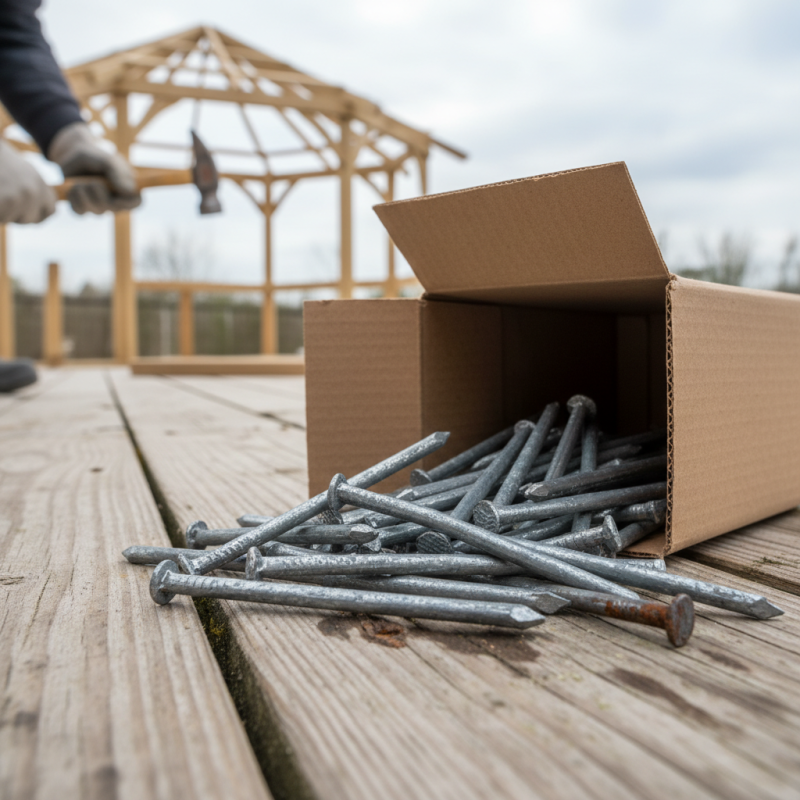
Understanding Galvanization: The Process Behind Galvanized Nails
Galvanization is a critical process that enhances the durability of nails, especially for outdoor use. This technique involves coating steel nails with zinc. The zinc layer acts as a protective barrier against moisture and corrosive elements. According to data from the American Galvanizers Association, galvanized nails have shown to last up to 5 to 10 times longer when exposed to outdoor conditions compared to non-galvanized counterparts.
The process of galvanization typically occurs through hot-dipping. In this method, steel nails are immersed in molten zinc. This creates a series of zinc-iron alloy layers that bond tightly with the steel. Reports indicate that nails treated this way can resist rust significantly. However, some users report that uneven coating can happen. This flaw can lead to premature corrosion in select areas. Therefore, quality control during the galvanization process is essential.
Outdoor projects often involve exposure to rain, humidity, and fluctuating temperatures. Galvanized nails withstand these conditions well. Even with their advantages, they can still face challenges. Proper selection and application matter. Environmental conditions and underlying materials can influence performance. Addressing these factors can lead to longer-lasting results in outdoor construction.
The Benefits of Using Galvanized Nails for Outdoor Projects
When it comes to outdoor projects, using galvanized nails is a common choice. These nails are coated with zinc, which helps prevent rust. This is crucial in environments where moisture is common. Galvanized nails can withstand rain and humidity. Their durability means they last longer than many alternatives.
In addition to durability, they provide a strong hold. This is essential for structures exposed to the elements. You might think all nails perform similarly, but that's not always true. Galvanized nails retain their strength even over time. You won't find them bending or breaking easily. This reliability is key for long-lasting outdoor constructions.
However, not everything is perfect. Sometimes, the coating can wear off. This can lead to rust if the nails are not installed correctly. Also, they may not be suitable for every type of wood. Some materials react poorly to the zinc. It's important to consider these factors when choosing nails. Reflecting on these points can lead to better project outcomes.
Benefits of Using Galvanized Nails for Outdoor Projects
Corrosion Resistance: Why Galvanized Nails Last Longer Outdoors
When working on outdoor projects, choosing the right materials is crucial. Galvanized nails stand out for their ability to resist corrosion. These nails are coated with a layer of zinc, which creates a barrier between the steel and the elements. This helps prevent rust and decay. In areas with high moisture, this protection is vital.
Consider items like fences or decks exposed to rain and sunlight. Regular nails may quickly degrade in such environments. Galvanized nails, however, can last years without rusting. That’s a significant advantage for long-term outdoor use. Think about the cost of replacing nails frequently versus investing in durable options.
Some may wonder if galvanized nails are perfect. While they are resistant, they are not entirely immune to corrosion. Over time, wear and tear can eat away at the zinc coating. It’s essential to inspect your projects regularly. A little maintenance can go a long way in ensuring longevity. So, while choosing galvanized nails for outdoor projects is wise, keep in mind that vigilance is still necessary.
Comparing Galvanized Nails to Other Fasteners for Outdoor Use
When it comes to outdoor projects, choosing the right fastener is crucial. Galvanized nails stand out due to their protective coating. This zinc layer resists rust and corrosion. In humid environments, untreated nails quickly fail. The lifespan of galvanized nails in such conditions is significantly longer.
Comparing galvanized nails to stainless steel or untreated options reveals stark differences. Stainless steel, while durable, is often more expensive. Untreated nails may seem cheaper but can deteriorate rapidly. Many builders overlook these factors, leading to costly repairs. A project that fails due to poor fasteners can be frustrating and expensive.
Consider specific applications. Decking, roofing, and fences require reliable materials. Galvanized nails provide that necessary assurance. However, they aren't flawless. In some cases, the zinc can corrode under extreme conditions. It's important to assess the environment carefully. Relying solely on brand reputation can be misleading. Ultimately, the choice of fastener should reflect the project's unique demands.
Why Are Galvanized Nails Preferred for Outdoor Projects?
| Fastener Type | Corrosion Resistance | Cost | Strength | Ideal Uses |
| Galvanized Nails | High | $0.05 each | Moderate | Decking, fencing, roofing |
| Stainless Steel Nails | Very High | $0.15 each | High | Coastal areas, high-humidity locations |
| Regular Steel Nails | Low | $0.02 each | Moderate | Indoor projects, low moisture areas |
| Coated Nails | Moderate | $0.07 each | Moderate | Fences, outdoor furniture |
Best Practices for Using Galvanized Nails in Various Outdoor Applications
Using galvanized nails for outdoor projects is a smart choice. These nails resist rust and corrosion, making them ideal for various weather conditions. They are often used in decks, fences, and outdoor furniture. When using them, proper installation is key. Ensure that you choose the right length and gauge to suit your materials.
When hammering in galvanized nails, don’t force them too hard. This can cause bent nails or damaged wood. Consider pre-drilling holes in dense materials. This will prevent splitting and help maintain the integrity of your project. Some users may overlook the importance of spacing. Allow adequate distance between nails to promote even strength and prevent buckling.
Pay attention to the environment as well. If you live in a coastal area, increased moisture can still affect even galvanized nails over time. Regular inspections are beneficial to catch any early signs of wear. While galvanized nails perform well, no product lasts forever. Be prepared to replace them if necessary.