What is Electrical Steel and Why is it Important?
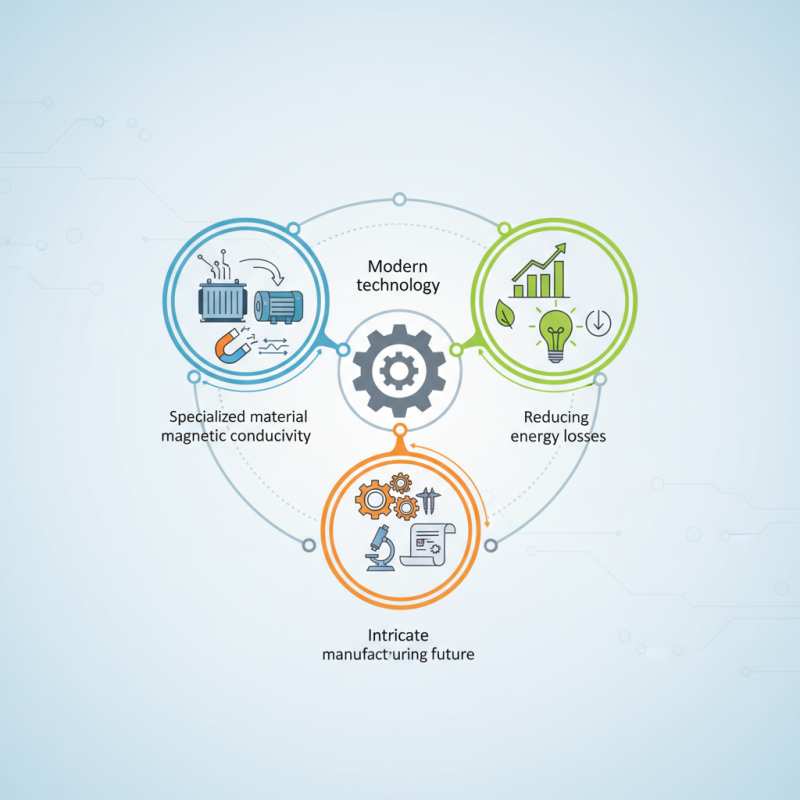
Electrical Steel plays a crucial role in modern technology. This specialized material is primarily used in transformers and electric motors. Its unique properties allow for efficient magnetic conductivity. As industries strive for energy efficiency, Electrical Steel has become essential.
The demand for Electrical Steel is growing. It helps in reducing energy losses in various applications. Without it, the performance of electrical devices could suffer greatly. The manufacturing process of Electrical Steel is intricate and requires precision. Small flaws can lead to significant inefficiencies.
Understanding the significance of Electrical Steel is vital. It represents a blend of innovation and necessity. As we move towards a more electrified future, this material will be ever more important. Its impacts are profound, yet often overlooked. Recognizing its value can inspire better practices in design and use.
What is Electrical Steel?
Electrical steel, often called silicon steel, is a specialized material used in electrical applications. It is primarily composed of iron with a small percentage of silicon. This alloy enhances magnetic properties, making it crucial for various electrical devices.
In electric motors and transformers, electrical steel plays a pivotal role. It reduces energy losses during operation, improving efficiency. For instance, it can double the performance of a motor compared to standard steel. However, the production process is complex and can lead to inconsistencies. Manufacturers sometimes struggle with achieving the right composition and magnetic characteristics.
Moreover, the thickness of electrical steel sheets is vital. Thinner sheets create less eddy current loss, but they are more challenging to produce. Balancing these aspects is essential yet difficult. The industry is continuously aiming for improvements. However, not every effort yields expected results, leading to a need for ongoing research and development in this field.
The Composition and Types of Electrical Steel
Electrical steel is a crucial material used in the manufacturing of transformers and electric motors. It is characterized by its unique magnetic properties, making it highly efficient in reducing energy losses. The composition of electrical steel typically includes silicon, which enhances its electrical conductivity and magnetic permeability.
There are several types of electrical steel. Grain-oriented electrical steel is designed to enhance performance in transformers. It has a specific grain structure that allows magnetic domains to align better, improving efficiency. Non-grain-oriented electrical steel, on the other hand, offers uniform magnetic performance in various directions. This type is commonly used in electric motors and generators.
Understanding the differences in composition and type is vital for manufacturers. Choosing the wrong type can lead to increased energy losses and decreased performance. It's also important to note that the production process might not be perfect. Variability in material quality can sometimes affect the final product's efficiency.
Key Properties of Electrical Steel and Their Significance
Electrical steel is a specific type of steel designed to optimize the performance of electrical machines. Its magnetic properties make it vital in transformers, motors, and generators. This steel exhibits low core loss, which reduces energy waste. Efficiency in these devices always matters.
Key properties of electrical steel include high permeability and low hysteresis loss. High permeability allows magnetic fields to pass through easily, enhancing energy transfer. Low hysteresis loss means that energy loss during magnetization and demagnetization is minimized. However, achieving the perfect balance between these properties can be challenging. Manufacturers often face trade-offs.
It's essential to note that not all electrical steel is created equal. Variances in processing techniques can lead to different performances. Poor quality control can result in electrical steel that does not meet specifications. This inconsistency may lead engineers to rethink their designs. In a world focused on energy efficiency, such issues must be addressed.
Key Properties of Electrical Steel and Their Significance
Applications of Electrical Steel in Industry
Electrical steel plays a crucial role in various industries. It is primarily used in the manufacturing of transformers, electric motors, and generators. According to a recent market report, the global electrical steel market is expected to reach USD 30 billion by 2026. This growth reflects the increasing demand for energy-efficient technologies.
In the automotive industry, electrical steel is essential for electric vehicle (EV) motors. By using high-grade electrical steel, manufacturers can improve the efficiency of motors. Reports indicate that EV sales are projected to increase to 30% of all vehicle sales by 2030. Enhancing motor efficiency will be vital for achieving these targets.
Tips: When selecting electrical steel, consider its magnetic properties. Higher silicon content can lead to better efficiency. Remember that even slight variations in material quality can impact long-term performance. Also, pay attention to the sourcing of materials, as ethical practices matter.
Understanding the specific applications of electrical steel can guide better decision-making. Some industries still overlook the importance of this material. They may choose lower-quality alternatives, which can lead to inefficiencies. Continuous evaluation of supply chains and material choices is necessary for optimizing performance in critical applications.
What is Electrical Steel and Why is it Important? - Applications of Electrical Steel in Industry
| Property | Description | Application |
| Magnetic Permeability | Ability to conduct magnetic lines of force | Transformers, electric motors |
| Core Loss | Energy lost in the form of heat during magnetization | High-efficiency transformers |
| Electrical Resistivity | Resistance to electric current flow | Induction motors, generators |
| Thickness | Thin sheets to minimize losses | Laminated cores in electrical machines |
| Material Composition | Silicon steel or other alloy compositions | Power generators, electrical vehicles |
The Future of Electrical Steel in Technological Advancements
The future of electrical steel lies in its role in technological advancements. This material is key in manufacturing electric motors, transformers, and generators. According to a recent industry report, the demand for electrical steel is expected to grow by over 7% annually until 2025. This growth is driven by the increasing need for energy-efficient technologies.
Electrical steel is crucial for enhancing performance. It reduces energy losses in magnetic applications. For instance, modern electric vehicles require high-efficiency motors. These motors often utilize specialized electrical steel to improve their power-to-weight ratio. However, there are challenges in optimizing steel production processes. Current methods may not fully capitalize on advanced manufacturing techniques.
Recycling electrical steel is another area of focus. Approximately 70% of electrical steel can be recycled. This process contributes to sustainability but has its complications. Quality control in recycling is often inconsistent. That's a concern for manufacturers looking to maintain performance standards. Innovations in production and recycling may pave the way for significant advancements. Yet, addressing these issues is essential for future growth.