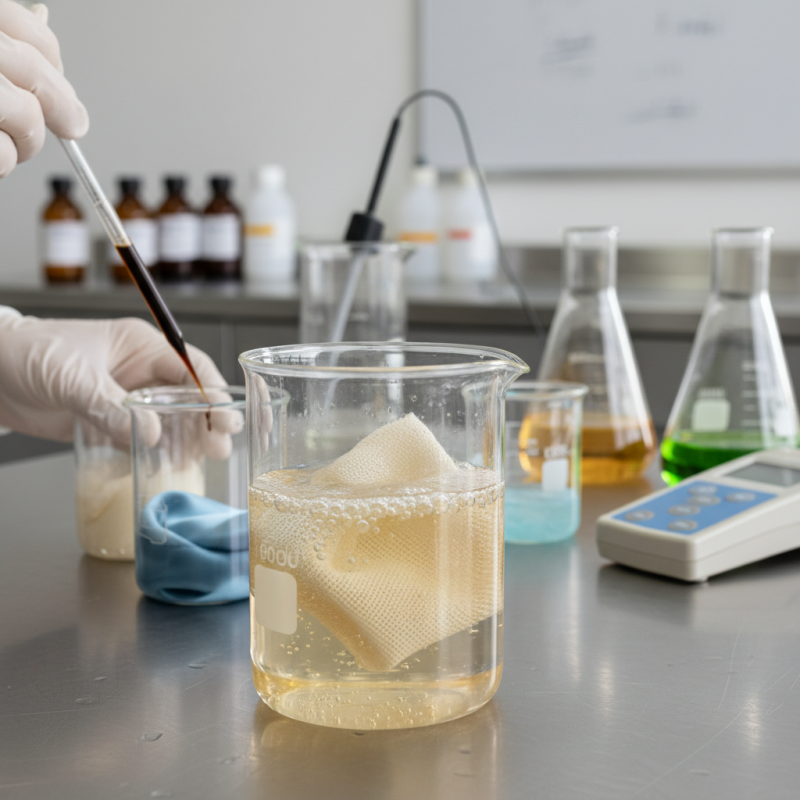
Desizing Enzyme Tips for Effective Fabric Treatment?
In textile processing, the role of desizing enzymes is vital. These enzymes aid in the removal of sizing agents from fabrics. Effective fabric treatment relies on the proper application of these enzymes.
Choosing the right desizing enzyme can be tricky. Different fabrics require specific enzymes for optimal results. A common mistake is using generic enzymes on all textiles. This can lead to uneven treatment and fabric damage.
Understanding the fabric's composition is crucial. Each material interacts differently with desizing enzymes. A tailored approach ensures better outcomes. It’s essential to test and refine methods. This process encourages improvement in fabric treatment practices. Reflecting on past mistakes can guide better choices in enzyme selection.
Understanding the Desizing Process and Its Importance in Fabric Treatment
Desizing is a crucial step in fabric treatment. It involves removing starches and other substances used during weaving. This process makes fabrics more pliable and ready for dyeing or finishing. Without desizing, the final product may not hold color well. The quality of fabrics can be compromised.
When it comes to effective desizing, understanding the types of enzymes is key. Various enzymes act differently on starch. Some may work quickly, while others need higher temperatures. This can affect the fabric’s texture. It's essential to experiment. Sometimes, too much enzyme can weaken the fabric. Testing in smaller batches helps avoid large-scale issues.
Effective desizing requires attention and care. Monitoring the time and enzyme concentration is vital. Overdoing it can lead to unintended results. Keeping a journal of tests can aid in recognizing successful methods. Each fabric is unique, so what works for one may not work for another. Adjusting the process is often necessary. Embracing these challenges can lead to improved outcomes over time.
Types of Desizing Enzymes and Their Specific Applications
Desizing enzymes play a crucial role in the textile industry. They are primarily used to remove size materials from woven fabrics before dyeing. Effective desizing helps enhance dye uptake and improve fabric quality. According to a report by Textile World, proper enzyme treatment can increase fabric dyeability by up to 40%.
There are several types of desizing enzymes. Alpha-amylases are the most common. They effectively break down starch sizes. Studies show that this enzyme can reduce desizing time by 50% compared to traditional methods. Meanwhile, cellulases help remove cellulosic materials, but their application must be controlled. Overuse can lead to fabric damage.
The effectiveness of desizing enzymes varies by application. Factors like temperature and pH levels need careful monitoring. For example, alpha-amylases work best at a pH of around 6. Improper conditions can lead to incomplete desizing. This may cause uneven dyeing, which is a common issue faced by manufacturers. Inconsistent results show the need for further refinement.
Desizing Enzyme Types and Their Applications
This chart illustrates the effectiveness rating of various desizing enzymes used in fabric treatment. Enzymes such as Amylase show high effectiveness due to their ability to break down starches, while Pectinase and Laccase have lower effectiveness ratings for specific applications.
Best Practices for Implementing Desizing Enzymes Effectively
Implementing desizing enzymes can be a game-changer in fabric treatment. To achieve optimal results, it's vital to assess the fabric type before application. Different fabrics might require varying enzyme formulations. Conducting a small test batch can help identify the right approach. This ensures that the selected enzymes are effective and don’t damage the fabric.
Another important consideration is temperature and pH levels during treatment. Enzymes perform best under specific conditions. Maintaining the right environment can result in a more efficient desizing process. However, many overlook this detail, leading to inconsistent results. Monitoring these factors can reduce waste and improve overall quality.
Lastly, timing impacts the effectiveness of desizing enzymes. Some processes may take longer than expected, which can frustrate workers. It’s essential to set realistic timeframes for desizing. Overestimating or underestimating can cause delays. Taking the time to refine these best practices helps ensure that fabric treatment meets quality standards.
Desizing Enzyme Tips for Effective Fabric Treatment
| Enzyme Type | Optimal pH | Temperature (°C) | Concentration (%) | Recommended Time (min) |
| Amylase | 6.0 - 7.5 | 50 - 60 | 0.5 - 2.0 | 30 - 60 |
| Cellulase | 4.5 - 5.5 | 45 - 55 | 1.0 - 3.0 | 20 - 40 |
| Pectinase | 4.0 - 6.0 | 50 - 65 | 0.5 - 1.5 | 30 - 50 |
| Protease | 7.0 - 8.5 | 50 - 60 | 0.2 - 1.0 | 15 - 30 |
Factors Influencing the Efficiency of Desizing Enzyme Treatments
When treating fabrics with desizing enzymes, several key factors can influence the effectiveness of the process. One major aspect is the temperature of the treatment environment. Higher temperatures can increase enzyme activity, leading to faster and more complete desizing. However, overly high temperatures might also damage delicate fibers. It's a delicate balance that requires careful monitoring.
Another critical factor is the pH level of the solution. Enzymes function best within specific pH ranges. If the pH is too acidic or too alkaline, the enzymes may not work efficiently. This can result in uneven treatment and might leave residues on the fabric. Properly adjusting the pH is essential but can be easily overlooked.
Time also plays a significant role in desizing. Insufficient treatment time can lead to ineffective desizing, while excessive exposure may weaken the fabric. Regular assessments during the process provide insights for adjustments. Realizing that each fabric type reacts differently can lead to varying outcomes. It's important to refine the approach based on observations and results from previous treatments.
Troubleshooting Common Issues in Desizing Using Enzymes
Desizing with enzymes can be tricky. Many factors influence the success of the process. Knowing how to troubleshoot can save time and costs. One common issue is incomplete desizing. If fabric feels stiff, it may not have been treated properly. Inadequate enzyme concentration or improper pH levels often lead to this problem. Adjusting these parameters can often lead to improvements.
Another frequent concern is over-desizing. This can weaken the fabric, altering its texture and strength. It's essential to find a balance. Timing is also crucial; too long can cause damage. Operators must closely monitor the duration during treatment. Regular testing can help identify when the fabric is ready for the next stage.
Temperature fluctuations can affect enzymatic activity. Ensure the environment is stable. Additionally, fabric type plays a role. Natural fibers may respond differently than synthetic ones. Consistent evaluation and small adjustments can enhance the outcome. Sometimes, trial and error is part of the process, but these challenges can lead to better understanding and improved techniques.