2026 How to Achieve Comprehensive Sludge Treatment Solutions?
The increasing challenge of wastewater management has brought the spotlight on the need for Comprehensive Sludge Treatment solutions. According to the Global Wastewater Treatment Market Report, the sector is poised to surpass $170 billion by 2026. This growth underscores the urgency of addressing sludge disposal effectively, as improper management can lead to environmental hazards and health risks.
Comprehensive Sludge Treatment encompasses various technologies, including thickening, digestion, and dewatering. These methods play a vital role in reducing environmental impact and improving water quality. However, 50% of facilities still rely on outdated practices. This gap highlights a critical need for modernization and investment in more efficient systems.
Industry experts emphasize the importance of integrating innovative approaches into sludge treatment processes. For instance, biogas recovery from anaerobic digestion not only reduces waste but also generates renewable energy. Nonetheless, implementation remains inconsistent, with many regions lagging in adopting best practices. This inconsistency calls for a collective reflection on our current strategies and a commitment to more sustainable solutions.
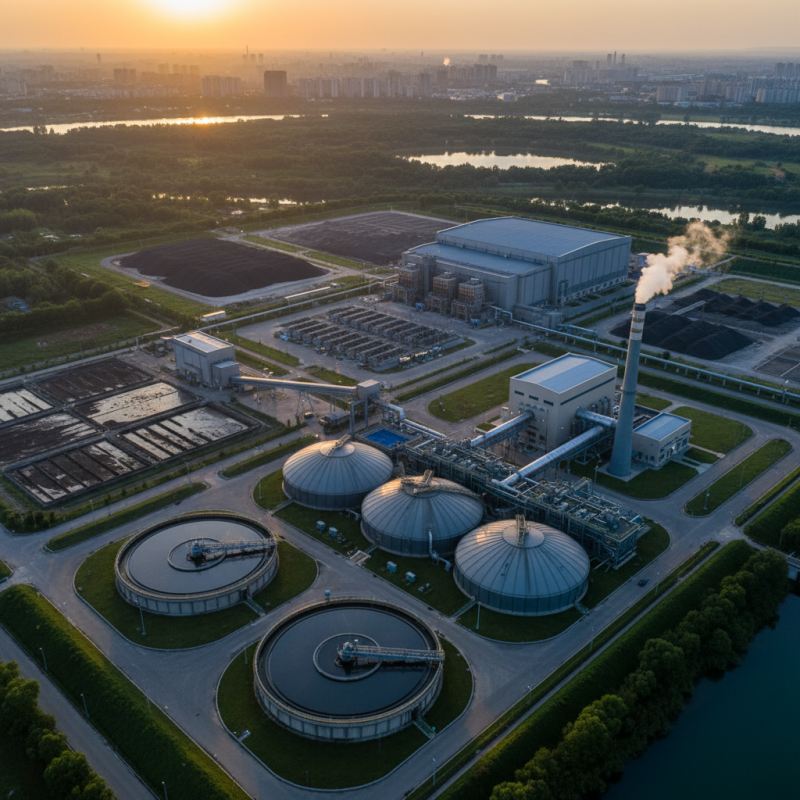
Understanding Sludge Treatment: An Overview of Current Technologies
Sludge treatment technology is rapidly evolving. Current approaches include anaerobic digestion, thermal drying, and composting. Each method has distinct benefits and challenges. For instance, anaerobic digestion can reduce sludge mass significantly, achieving up to 60% volume reduction. However, it can be complex and requires skilled operators.
According to a recent industry report, approximately 70 million tons of sewage sludge are produced annually in the United States alone. Effective treatment technologies can mitigate environmental impacts while creating biogas, a renewable energy source. Nevertheless, many facilities still rely on outdated methods, which often lead to odor issues and landfill overuse. This gap highlights the necessity for continuous improvement and investment in innovation.
Moreover, the integration of advanced technologies such as membrane bioreactors is gaining traction. These systems offer higher efficiency but come with high capital costs. Facilities must balance these investments with their operational budgets. This situation raises questions about sustainability and long-term financial planning in sludge management. Embracing a range of treatment options is vital for a comprehensive solution.
Assessment of Sludge Characteristics for Tailored Treatment Solutions
Understanding the characteristics of sludge is crucial for developing effective treatment solutions. Various factors influence sludge properties, including organic content, moisture level, and specific gravity. A recent study from the Water Environment Research Foundation noted that nearly 45% of wastewater treatment plant (WWTP) operators face challenges in identifying the best treatment approaches due to diverse sludge types. Tailoring treatment methods can significantly enhance efficiency and reduce costs.
Assessment frameworks should consider the physical and chemical composition of the sludge. This includes analyzing total suspended solids (TSS), biochemical oxygen demand (BOD), and nutrient ratios. According to the Environmental Protection Agency (EPA), improper characterization can lead to up to 30% energy waste in treatment processes. A comprehensive approach allows better resource management while minimizing environmental impact.
There are ongoing debates within the industry regarding the effectiveness of traditional versus advanced treatment methods. Some professionals argue that high-tech solutions are not always justifiable, especially for lower-volume plants. This raises vital questions about cost-effectiveness and long-term sustainability. Continuous research and development in sludge characterization are essential for addressing these concerns while advancing treatment technologies.
Innovative Techniques for Effective Sludge Reduction and Stabilization
Sludge treatment remains a significant challenge in waste management. Innovative techniques are essential for effective sludge reduction and stabilization. One promising method is anaerobic digestion. This process utilizes microorganisms to break down organic matter, producing biogas that can be harnessed for energy. The energy recovery aspect makes it an attractive solution for many facilities.
Another technique gaining attention is thermal hydrolysis. This process involves applying heat and pressure to break down sludge before digestion. It increases biogas yield and reduces the volume of sludge. However, the investment cost can be a barrier for smaller operations. The balance between benefits and costs needs careful consideration.
Moreover, advanced chemical processes, like coagulation and flocculation, have shown promise in reducing sludge volume. These techniques help separate solids from liquids, yet their chemical byproducts raise environmental concerns. Continuous research is vital to optimize these methods and address potential drawbacks. Effective sludge treatment is important, but finding solutions that are economically viable is equally crucial.
Integration of Sustainable Practices in Sludge Treatment Systems
Sustainable practices in sludge treatment systems are crucial for modern wastewater management. According to a recent report by the Water Environment Federation, more than 30% of global sludge is improperly managed, leading to significant environmental impacts. Implementing sustainable practices can reduce this figure.
One effective method involves anaerobic digestion. This process not only minimizes sludge volume but also produces biogas. This biogas can be utilized as a renewable energy source. Studies show that facilities using anaerobic digestion can reduce sludge disposal costs by about 40%. Implementing such technology requires upfront investment, yet the long-term benefits often outweigh these initial expenditures.
Integrating composting into sludge treatment is another sustainable practice. Composting converts waste into a valuable product. It enriches soils and helps reduce landfill needs. However, it is not without challenges. Odor control and pathogen management must be addressed effectively. Reports indicate that only 15% of treatment facilities utilize composting, highlighting the need for more widespread adoption. Reflections on these practices reveal gaps in public awareness and technical support that need attention.
Monitoring and Evaluation of Sludge Treatment Efficiency and Outcomes
Monitoring and evaluating the efficiency of sludge treatment is crucial in wastewater management. Stable performance indicators help gauge treatment success. Data collection methods should be accurate and timely. Regular sampling of sludge can reveal changes in composition. This gives insight into how well treatment processes function.
Effective evaluation also requires clear benchmarks. These benchmarks can aid in identifying areas needing improvement. For instance, monitoring biochemical oxygen demand (BOD) can highlight treatment efficiency. Yet, relying on a single metric may overlook other important factors. Evaluators must combine different metrics for a comprehensive picture. This could include analyzing residual contaminants and nutrient recovery rates.
Challenges are common in sludge treatment evaluations. Inconsistent data can lead to misguided conclusions. Operators may face difficulties in maintaining standard operating procedures. Moreover, external influences affect performance metrics. Adopting a flexible evaluation strategy can accommodate these variables. Building a responsive system is essential in achieving overall treatment goals. A thorough review of processes helps identify solutions for ongoing issues.
2026 How to Achieve Comprehensive Sludge Treatment Solutions?
| Parameter | Description | Measurement Method | Evaluation Frequency | Target Value |
| Total Suspended Solids (TSS) | Measures the solid particles in sludge | Filtration and drying method | Monthly | < 2,000 mg/L |
| Biochemical Oxygen Demand (BOD) | Indicates the organic matter in sludge | BOD test over 5 days | Monthly | < 500 mg/L |
| pH Level | Determines acidity or alkalinity of sludge | pH meter measurements | Weekly | 6.5 - 8.5 |
| Nutrient Content (Nitrogen, Phosphorus) | Measures essential nutrients for treatment | Chemical analysis | Quarterly | Nitrogen < 100 mg/L, Phosphorus < 30 mg/L |
| Pathogen Reduction | Measures health-related microorganisms in sludge | Culturing and identification | Annually | < 1 pathogen per gram of sludge |