Why Choose a CNC Lathe Machine for Your Manufacturing Needs?
In today’s manufacturing landscape, efficiency and precision are paramount. The Cnc Lathe Machine stands out as a key player in achieving these goals. According to a report by Grand View Research, the global CNC machine tools market is projected to reach $100 billion by 2025. This growth underscores the increasing reliance on automated machinery.
CNC Lathe Machines offer several advantages. They ensure consistency in production, thereby minimizing waste. Data from a recent survey by Deloitte reveals that manufacturers using CNC technology have seen an average productivity increase of 30%. However, there is still room for improvement. Some manufacturers struggle with the initial cost of investment or lack of skilled operators.
Investing in a CNC Lathe Machine is not just about technology. It’s about enhancing craftsmanship. Additionally, integrating these machines into a traditional setup can be challenging. Yet, the benefits—improved accuracy, reduced lead times—help justify the transition. Companies must reflect on their processes and consider the long-term advantages of CNC technology.
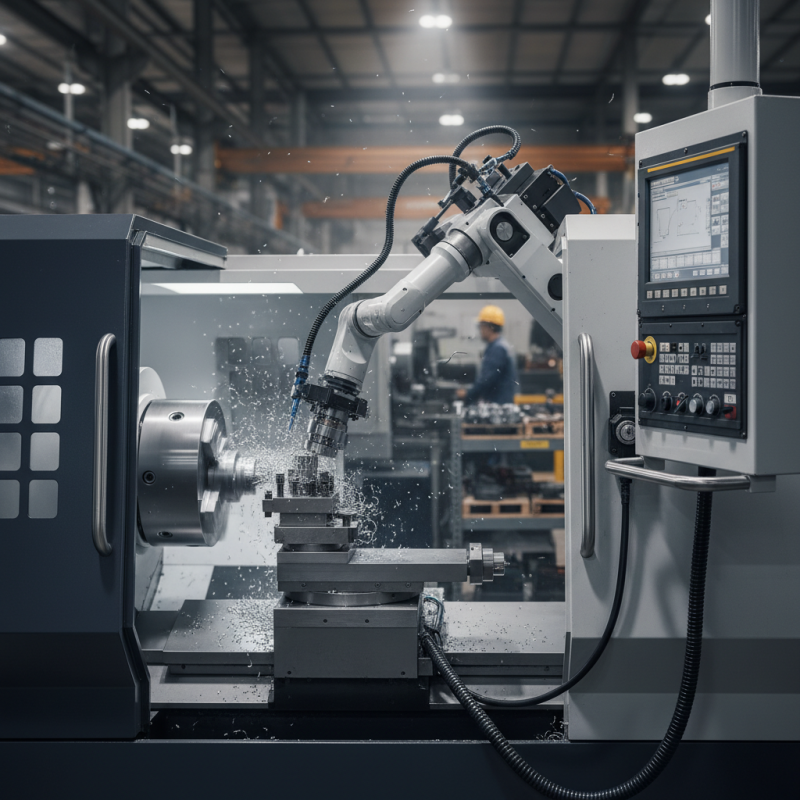
Advantages of Using CNC Lathes in Modern Manufacturing
CNC lathes have revolutionized the manufacturing landscape. They offer precision that manual machines can't match. This type of machine automates the turning of materials, resulting in less human error. Operators can focus on other tasks while the lathe runs. This efficiency can significantly reduce production time.
Using CNC lathes increases design possibilities. Complex shapes are achieved without additional manual labor. For example, intricate designs can be produced quickly. However, these machines do have a learning curve. Proper training is essential to maximize their potential. Mistakes can lead to wasted materials and time.
Moreover, CNC lathes enhance consistency in production. Each piece produced meets exact specifications. This uniformity is crucial in industries like aerospace or automotive. Even a minor error can have large repercussions. Still, flexibility in production schedules can be a challenge. Maintenance is also necessary. Regular checks help prevent breakdowns, but some companies overlook this.
Key Features of CNC Lathe Machines to Consider
CNC lathe machines are essential tools in modern manufacturing. When selecting one, key features play a crucial role. Precision is critical. A good CNC lathe ensures high accuracy in machining tasks. This reduces material waste and improves product quality. Speed is another important aspect. Faster machining can lead to increased productivity. But, higher speeds can impact the durability of the machine.
Another feature to consider is the machine's versatility. A capable CNC lathe can handle various materials, from metals to plastics. This flexibility can save costs and time. However, it's essential to reflect on specific needs. Not every machine will meet all requirements. Regular maintenance is necessary. Neglecting this can lead to unexpected downtimes, affecting overall efficiency.
Additionally, the software that controls the lathe matters significantly. Intuitive software can streamline operations. Yet, complex interfaces can create confusion. Operators must be trained properly. It's vital to revisit training protocols regularly. Investing in a CNC lathe is a significant decision. Each feature should be evaluated carefully for your unique manufacturing goals.
Applications of CNC Lathes Across Various Industries
CNC lathes are vital in various industries. They offer precision and speed. In the automotive sector, these machines shape parts like shafts and housings. They ensure that components fit perfectly. Such precision reduces the risk of failure in vehicles.
In the aerospace industry, CNC lathes create complex components. They manufacture parts for engines and fuselages. Any mistake can be costly and unsafe. This reality pushes manufacturers to invest in CNC technology. Yet, not all projects may justify the cost of such machines. Smaller companies might struggle with the initial investment.
Medical devices benefit greatly from CNC lathes too. They produce intricate pieces for surgical tools. These instruments demand impeccable accuracy. Even minor flaws can impact patient safety. Balancing quality with production cost is a challenge. Some companies might overlook this balance, facing unnecessary losses. Each industry needs to analyze its unique requirements to truly benefit from CNC lathe technology.
Cost Efficiency and Precision of CNC Lathe Technology
When it comes to manufacturing, precision is crucial. CNC lathe machines stand out for their ability to produce parts with tight tolerances. These machines automate complex processes, minimizing human error. This automation not only enhances precision but also boosts productivity significantly.
Cost efficiency is another key benefit of CNC lathe technology. Although the initial investment can be high, the long-term savings are noteworthy. Reduced labor costs and material waste make a significant difference. Manufacturers can produce intricate designs with fewer resources, leading to higher profitability. However, it’s essential to consider maintenance. Regular upkeep is necessary to avoid costly downtime.
Adopting CNC lathe machines requires a thoughtful approach. Not every shop may need advanced capabilities. High-tech solutions may not always align with simple projects. It’s important to evaluate the specific needs of your production line. This reflection can guide you toward the best equipment choice, ensuring that your investment delivers value.
Comparing CNC Lathes with Traditional Machining Methods
When comparing CNC lathes to traditional machining methods, several key differences emerge. Traditional lathes rely heavily on skilled operators. They require extensive training to achieve precision. Human error plays a significant role in these processes. In contrast, CNC lathes utilize programming. This technology ensures consistent results with minimal variability. The machines can automatically adjust settings based on the design specifications.
CNC lathes excel in producing complex designs that traditional methods might struggle with. They can craft intricate parts with delicate features. Traditional machining often requires multiple setups and changes. This can lead to longer production times. With CNC, a part can be completed in one go. However, this reliance on tech can be problematic; issues may arise with the software or hardware. Regular maintenance is crucial to avoid disruptions.
While CNC lathes offer many advantages, they are not without their challenges. Initial costs can be high, which might deter some manufacturers. Additionally, operators must possess programming skills. This could limit the available workforce. Balancing efficiency and expertise remains a concern. The industry often wrestles with these transitions, navigating both old and new practices.