How to Choose the Right Ball Bearing for Your Project?
Selecting the right Ball Bearing is crucial for your project's success. According to a recent industry report, the global ball bearing market is expected to reach $94 billion by 2026, reflecting its importance in various applications. Ball bearings enable smoother operation in machinery, reducing friction and wear. This efficiency can lead to longer equipment life and reduced maintenance costs.
However, choosing the right type can be challenging. Many designs and materials are available, which can confuse even experienced engineers. Factors such as load capacity, speed, and environmental conditions play a crucial role. For instance, while stainless steel ball bearings resist corrosion, they may not handle heavy loads as well as other options. This trade-off requires careful consideration.
Moreover, the quality of ball bearings can vary significantly between manufacturers. Often, cheaper options may not meet required performance standards, leading to frequent failures. An unwise choice can impact operational efficiency and may incur unexpected delays. Thus, understanding the specific needs of your projects and aligning them with the appropriate ball bearing types is essential for achieving optimal results.
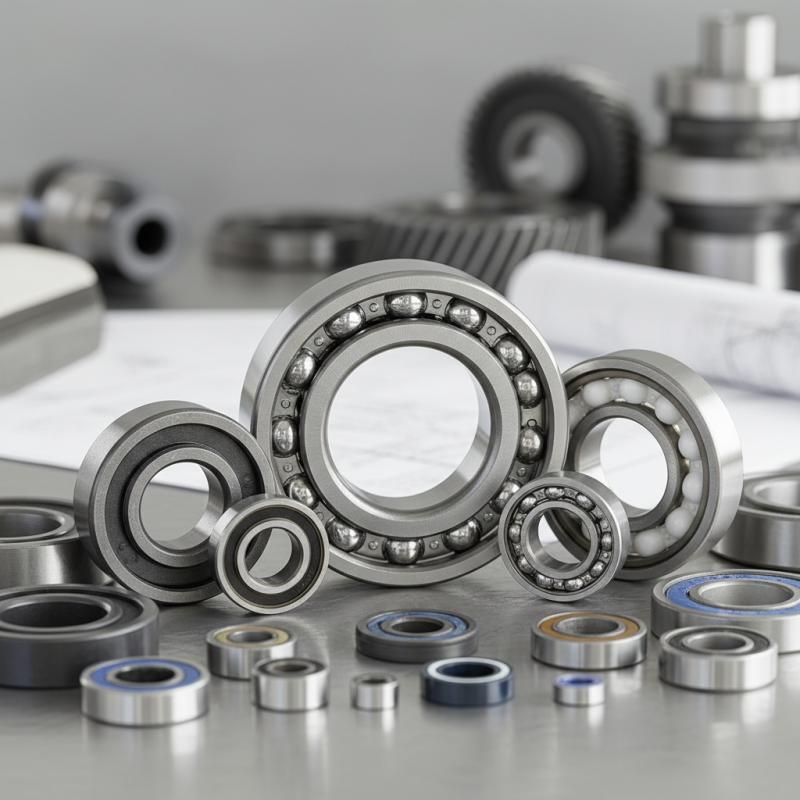
Understanding Different Types of Ball Bearings and Their Applications
Choosing the right ball bearing greatly impacts the efficiency and longevity of your project. There are various types of ball bearings, each with different applications. Deep groove ball bearings are the most common. They can handle both radial and axial loads. Reports show they account for over 60% of the market in industrial applications.
Thrust ball bearings are another type. They excel in axial load capacity. These are ideal for applications requiring high-speed rotations, like motors. Some experts indicate that they may not perform well under heavy radial loads. It’s crucial to understand your project specifications before selection.
Ceramic ball bearings offer unique benefits, such as lower friction and corrosion resistance. However, they are often more expensive. Some engineers note they might not be necessary for standard applications. Realizing the actual requirements of a project can save costs while ensuring efficiency. Each type has its pros and cons, making understanding them paramount in creation.
Key Factors to Consider When Selecting Ball Bearings for Your Project
Choosing the right ball bearing is crucial for any project. Various factors influence the selection process. Start by considering the load capacity. Different applications require different capacities. If the load exceeds what a bearing can handle, it will fail quickly.
Another important factor is the environment where the bearing will operate. High temperatures, humidity, or dirt can affect performance. You might overlook these details. They might seem small, but they drastically influence bearing life.
The type of lubrication is also critical. Some projects may need sealed bearings for durability. Others benefit from open designs for easier maintenance. Remember, each choice has trade-offs. Balancing them is essential for project success.
How to Choose the Right Ball Bearing for Your Project? - Key Factors to Consider When Selecting Ball Bearings for Your Project
| Dimension | Material | Load Capacity (kg) | Speed Rating (RPM) | Operating Temperature (°C) | Application |
| 10mm x 26mm x 8mm | Stainless Steel | 120 | 15,000 | -20 to 80 | Electric Motors |
| 15mm x 32mm x 10mm | Carbon Steel | 150 | 12,000 | -30 to 70 | Pumps |
| 20mm x 42mm x 12mm | Polymer | 80 | 8,000 | -40 to 100 | Tracking Systems |
| 25mm x 52mm x 18mm | Ceramic | 200 | 20,000 | -50 to 150 | High-Speed Applications |
Material Properties and Their Impact on Bearing Performance and Lifespan
When selecting ball bearings, understanding material properties is crucial. Different materials affect performance considerably. For instance, steel bearings offer strength and durability. They are resistant to wear. However, their weight can be a drawback in certain applications. In contrast, ceramic bearings are lightweight. They provide excellent corrosion resistance. Yet, they can be more fragile in high-impact situations.
Keep in mind that materials can influence lifespan. Factors like temperature and load type play a key role. High temperatures can degrade some plastics faster than metals. It’s important to match the right material to your specific needs. Sometimes, you may wish for a hybrid approach. Mixing materials can optimize properties. But this might complicate manufacturing. Each choice comes with trade-offs, and reflection on these is essential for success.
Load Ratings and Speed Requirements: Matching Bearings to Project Needs
When selecting ball bearings for your project, it’s essential to consider load ratings and speed requirements. The load rating indicates how much weight the bearing can handle. A higher load rating means more weight support. If your application involves heavy machinery, opting for bearings with a higher load capacity is critical.
Speed is another crucial factor. Different bearings are designed for different speed ranges. If you need high-speed operation, look for bearings made specifically for that purpose. They often have lower friction and can handle greater speeds effectively.
**Tip:** Check for compatibility with your assembly. Incorrectly matched bearings can lead to premature failure or performance issues.
Don't overlook the environment where the bearings will operate. Humidity, dust, and temperature fluctuations can impact their performance. For outdoor projects, consider seals and shields that protect against contaminants.
**Tip:** Review the operating conditions. Knowing the specifics can save time and prevent mistakes.
Take the time to analyze your needs carefully. Balancing load ratings and speed with environmental factors can be challenging. Incorrect assumptions may lead to costly revisions down the line.
Load Ratings and Speed Requirements for Ball Bearings
Common Industry Standards and Specifications for Ball Bearings Selection
When selecting ball bearings, industry standards play a crucial role. The ABMA (American Bearing Manufacturers Association) sets guidelines for bearing dimensions and tolerances. For example, ANSI/ABMA 9 specifies the basic tolerance for radial ball bearings. Understanding these standards is vital. A mismatch can lead to operational failures or reduce lifespan.
Material selection is another aspect governed by specifications. Common materials include stainless steel, chrome steel, and plastics. Each material has unique properties that can affect performance. For instance, a study by the International Journal of Engineering Research reported that stainless steel bearings have high corrosion resistance. However, they may not be suitable for heavy loads. It's essential to weigh these specifications carefully.
One common oversight in bearing selection is not considering environmental factors. Temperature ranges, humidity, and potential contaminants impact performance. A ball bearing might operate under specified conditions but fail in a different climate. Reflecting on these aspects is crucial for long-term success in any engineering project.