How to Choose the Best FRP Pipe Machine for Your Needs?
Choosing the right frp pipe machine is crucial for efficiency and productivity in the industry. Recent market reports indicate the global FRP market is expected to grow significantly, with a projected CAGR of 5.9% from 2023 to 2030. This growth presents a unique opportunity for manufacturers looking to invest in high-quality machinery.
When considering an frp pipe machine, various factors come into play. The right machine should match your production needs, budget constraints, and quality standards. Industry experts suggest that performance, durability, and ease of maintenance should be top priorities to avoid costly downtimes. Oddly, many companies still overlook these essential aspects, leading to inefficiencies.
That being said, selecting an FRP pipe machine requires careful reflection. Understanding specific industry requirements and evaluating machinery options can be challenging. It is important to not rush the decision. Poor choices might lead to operational setbacks or wasted resources. Remember to prioritize what truly matters when investing in this critical equipment.
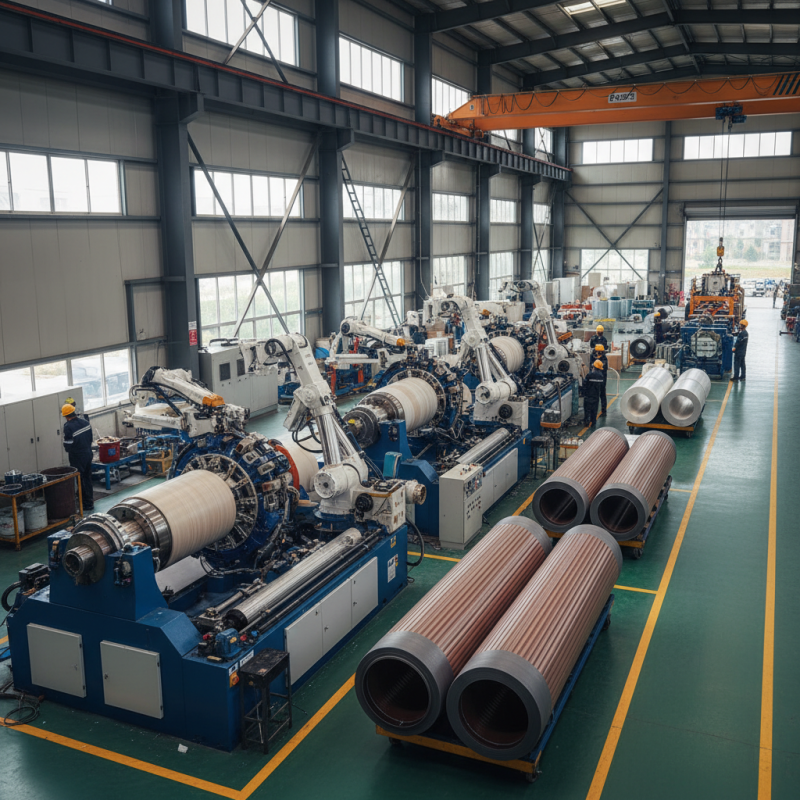
Factors to Consider When Selecting an FRP Pipe Machine
When selecting an FRP pipe machine, multiple factors come into play. Key considerations include the production capacity, which varies significantly between machines. According to industry reports, many machines can produce between 100 to 500 meters of pipe daily. It's essential to evaluate your production needs. A low-capacity machine may hinder operations if demand is high.
Material compatibility is another critical factor. Different machines handle various resin types and fiber reinforcements. This choice influences the pipe's strength and longevity. Companies often overlook this aspect, leading to costly repairs and replacements. Review technical specifications carefully.
Tip: Always assess the machine’s ease of operation. User-friendly designs enhance productivity.
Maintenance requirements are vital too. Some machines need regular, intensive maintenance. This can be a burden for small operations. Poor maintenance can lead to breakdowns. It’s wise to evaluate the long-term operational costs and time commitments.
Tip: Create a maintenance schedule to prolong machine life.
Analyzing these factors will lead to a more informed purchase decision. Be aware of the evolving industry standards and practices as you choose your machine.
How to Choose the Best FRP Pipe Machine for Your Needs?
| Factor | Description | Importance Level |
| Production Capacity | The maximum output the machine can produce in a given time frame. | High |
| Material Compatibility | The types of raw materials the machine can work with. | Medium |
| Automation Level | The degree to which the machine operates automatically without manual intervention. | High |
| Cost of Operation | The overall costs involved in running the machine, including maintenance and energy consumption. | Medium |
| Machine Size | The physical dimensions of the machine, which impacts available space for installation. | Low |
| Customer Support | The level of after-sales support and service provided by the manufacturer. | High |
| Durability and Reliability | How well the machine withstands continuous usage and its failure rate. | High |
Understanding the Types of FRP Pipes and Their Applications
FRP pipes, or fiber-reinforced polymer pipes, play a crucial role in various industries. They are known for their strength, durability, and resistance to corrosion. Different types of FRP pipes are available on the market, each tailored for specific applications. For instance, some pipes are designed for chemical transport, while others may be ideal for wastewater management.
When selecting FRP pipes, consider their specific use. For chemical industries, you need pipes that can handle aggressive substances. These pipes must resist chemical degradation. In contrast, for water treatment, the emphasis might be on structural integrity. It's vital to evaluate the environmental conditions where the pipes will be installed.
Moreover, the manufacturing process of FRP pipes can greatly influence their performance. Some methods may enhance strength, while others may focus on cost-effectiveness. A choice must be made between performance and budget. Reflecting on these aspects will help in selecting the most suitable FRP pipe machine. The emphasis should always be on matching the pipe's characteristics to its intended application.
Comparison of Different Types of FRP Pipes and Their Applications
Evaluating Production Capacity and Efficiency of FRP Pipe Machines
When choosing an FRP pipe machine, evaluating production capacity and efficiency is crucial. According to industry reports, production capacity can vary significantly based on the machine type. Some machines can produce up to 100 meters of FRP pipes per hour, while others may only reach 50 meters. Understanding your specific production needs is essential.
Efficiency is another pivotal factor. High operational efficiency often correlates with reduced energy consumption. Studies indicate that machines with intelligent control systems can save up to 30% more energy compared to traditional models. However, high efficiency does not automatically mean reliability. Some machines may encounter frequent downtime due to maintenance issues, impacting overall production.
It’s important to analyze these aspects carefully. Evaluating the machine's ease of operation can also affect efficiency. Workers should be able to operate the machine smoothly. Complicated designs may lead to errors and lower output. The trade-off between advanced technology and user-friendliness is worth noting. Balancing production capacity with operational reliability often proves challenging.
Cost Analysis: Initial Investment vs. Long-term Benefits in FRP Manufacturing
When considering an FRP pipe machine, it's crucial to analyze costs. The initial investment can seem high. However, long-term benefits often outweigh this upfront expense. Choosing the right machine can lead to increased efficiency. This efficiency translates into savings over time.
Maintenance costs are another factor. Some machines require frequent upkeep. This can add to your ongoing expenses. However, a well-chosen machine may need less maintenance. That means fewer interruptions in production. A thorough cost analysis helps clarify these financial commitments.
Furthermore, consider production capabilities. Some machines may promise high output. Yet, they end up underperforming, wasting both time and resources. Assessing real user experiences can guide better decisions. Balance your budget with insights on reliability.
Comparative Review of Leading FRP Pipe Machine Manufacturers and Models
When selecting an FRP pipe machine, examining various manufacturers and models is essential. Different manufacturers offer diverse features, performance metrics, and price points. Some focus on automation, while others excel in durability. It's crucial to match these features to your needs.
Consider the production capacity. If you have high-volume demands, prioritize machines with robust output. Models that are more cost-effective may compromise performance or longevity. Look for user reviews and industry feedback to gauge reliability.
Too often, some machines perform well initially but falter over time.
Evaluate the support and service that manufacturers provide. A reliable service can save you time and money in the long run. Look for companies with a track record of responsive customer support.
Finally, ensure you feel comfortable using the machine, even if it seems complicated. Understanding its operation will help maximize your investment.