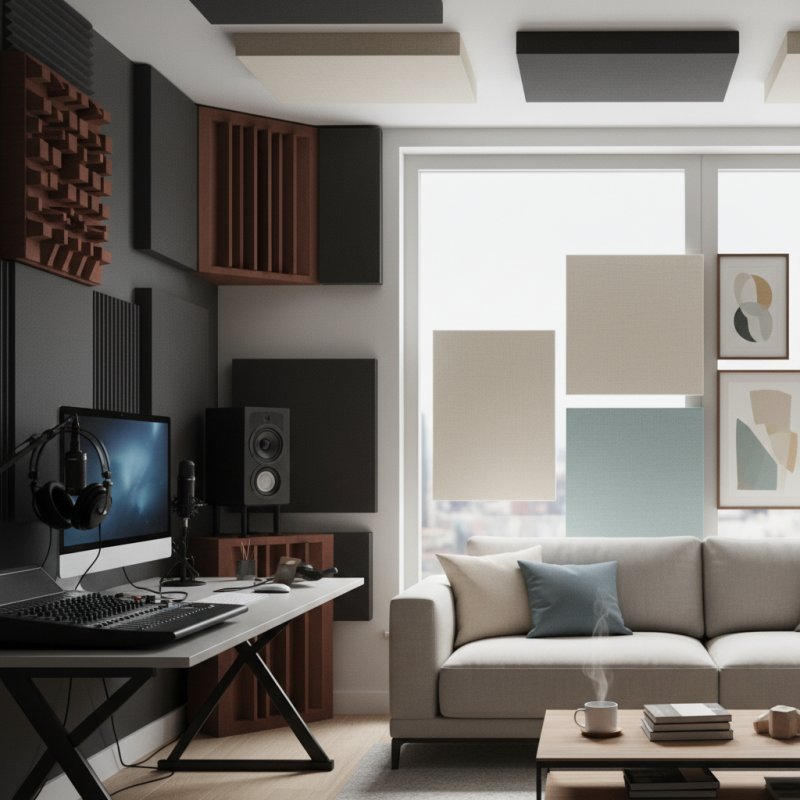
How to Choose the Best Acoustic Panels for Your Space?
When it comes to optimizing sound quality in any space, the role of Acoustic Panels cannot be overstated. These panels are crucial for controlling sound reflections and reducing noise levels. They come in various styles, sizes, and materials, making it essential to choose the right type for your specific needs.
Choosing Acoustic Panels involves considering aspects like the size of the room and its intended use. For instance, a home studio requires different panels compared to a living room. Take time to evaluate your environment. Not every panel will work perfectly; trial and error often lead to the best results.
Understanding the unique characteristics of each type of Acoustic Panel can enhance your decision-making. Professional advice can help, but don’t overlook personal experience. Reflect on what you need most—clarity, warmth, or balance in sound. Use this guide to refine your search and improve your acoustic environment.
Understanding Acoustic Panels and Their Purpose
Acoustic panels are essential for improving sound quality in various environments. They help absorb sound waves, reducing echoes and creating a more pleasant acoustic experience. In spaces like recording studios, offices, or home theaters, these panels play a crucial role. Understanding their materials and designs can make a significant difference in your choice.
When selecting acoustic panels, consider the intended use. Different materials affect sound absorption levels. Soft fabrics often work well for home settings. Meanwhile, rigid panels may suit professional environments better. Think about aesthetics too. The panels can complement your room's design, enhancing the overall ambiance.
Not all panels are created equal. Some may not address low-frequency sounds effectively. Testing different options can be beneficial. Seek expert advice or refer to industry standards for reliable information. It’s important to reflect on your specific needs and make informed decisions. Trial and error might be necessary to achieve the perfect acoustic balance in your space.
How to Choose the Best Acoustic Panels for Your Space? - Understanding Acoustic Panels and Their Purpose
| Dimension | Material | Thickness (inches) | NRC Rating | Ideal Use Case |
| 24 x 48 | Foam | 2 | 0.95 | Home Theaters |
| 12 x 12 | Fabric-wrapped | 1 | 0.80 | Recording Studios |
| 24 x 24 | Wood wool | 1.5 | 0.85 | Conference Rooms |
| 48 x 48 | Mineral wool | 2 | 0.90 | Performance Venues |
| 36 x 72 | Polyester | 1 | 0.75 | Open Offices |
Evaluating Different Types of Acoustic Panels Available
When evaluating different types of acoustic panels, consider your specific needs. Foam panels are lightweight and easy to install. They absorb mid to high frequencies effectively. However, they may not provide enough soundproofing for loud environments. Fabric-wrapped panels come in various designs. They blend aesthetics with functionality but can be pricier.
Wooden panels add warmth and beauty to a space. They are effective at diffusing sound. Still, they can be heavier and more challenging to install. Keep your room's acoustics in mind. Softer surfaces may require more absorption materials to improve sound quality.
**Tip:** Test different panel placements before finalizing. Small adjustments can significantly enhance sound control.
Also, budget factors into your choice. Quality acoustic treatment can vary greatly in cost. Balance your need for aesthetics and functionality while ensuring it fits your budget. Remember that a visually appealing space is essential too. You want a harmonious environment that pleases the eye.
Factors to Consider When Choosing Acoustic Panels for Your Space
When selecting acoustic panels for your space, several factors come into play. First, consider your room's purpose. A recording studio requires different panels compared to a home theater. The size of the space also matters. Larger rooms may need more panels to effectively reduce echo.
Material choice is crucial. Different materials absorb sound differently. Foam panels are lightweight, while fabric-wrapped panels offer aesthetic appeal. Think about how the panels will blend into your decor. The visual aspect shouldn’t be overlooked.
Tip: Measure your space before purchasing. This helps to visualize placement and quantity. Ensure your panels are strategically placed at reflection points for optimal sound absorption.
Keep in mind that installation may require some planning. Some panels need specific adhesives or mounts. Understand the required tools beforehand to avoid delays. Balancing aesthetics with functionality can be challenging. Experiment with layouts to find what works best for your needs.
Measuring Your Space for Optimal Acoustic Panel Placement
When it comes to optimizing your space with acoustic panels, accurate measurements are crucial. Begin by assessing the room size. Measure length, width, and height. This helps determine how many panels you need. Use a measuring tape for precision. Don't forget to factor in furniture placement. Sofas and bookshelves can affect sound.
Identify key areas where sound issues arise. Corners can accumulate sound waves, so focus on these spots. Consider wall surfaces too. Flat surfaces may need more treatment compared to textured ones. It might be surprising to find uneven walls contributing to sound distortion. Reflective surfaces like glass can amplify this challenge.
Once you have your measurements, visualize panel placement. Create a layout on paper. This step can reveal overlooked areas needing attention. It’s essential to think about the room’s purpose. A music studio differs from a home theater. The acoustics must match the function. Regularly revisit your design decisions. Adjustments may be necessary as you experience the room differently over time.
Installation Tips for Effective Use of Acoustic Panels
When installing acoustic panels, placement is key. Consider the layout of your space. For a home theater, place panels at first reflection points. These points are where sound bounces off walls and reaches your ears. Use a mirror to find these spots easily. Stand in your listening position, have someone move the mirror along walls. Wherever you see speakers, mark these spots.
Next, consider the height of installation. Panels should be at ear level when seated. This height ensures optimal sound absorption. Adhering to the wall or using adhesive hooks can help, but check if they damage surfaces first. If you are renting, removable options might be wise.
Testing panel effectiveness is crucial. After installation, listen carefully. Sound may still be too harsh or unclear. If so, repositioning some panels or adding more might be necessary. Engaging with the space as you fine-tune placement improves results. Sometimes, it takes multiple attempts to perfect the setup. The process can be trial and error, but it's essential for a balanced acoustic environment.