How to Choose the Best Transformer Substation for Your Needs?
Choosing the right Transformer Substation is crucial for efficient power distribution. According to a report by the International Energy Agency, the demand for electricity is expected to surge by 30% by 2040. In this context, selecting an optimal Transformer Substation becomes essential for meeting future energy needs.
An effective Transformer Substation can enhance reliability and reduce operational costs. However, the selection process can be complex. Factors such as load requirements, site conditions, and maintenance capabilities must be considered. Industry insights indicate that undersized substations can lead to significant performance issues. A poorly matched Transformer Substation may fail to deliver, resulting in power outages or equipment damage.
Moreover, expert recommendations emphasize the importance of future-proofing. Incorporating advanced technologies can improve adaptability to changing demands. Organizations like the IEEE provide guidelines for choosing the best equipment. Ultimately, making an informed choice can lead to enhanced efficiency, lower risks, and long-term reliability.
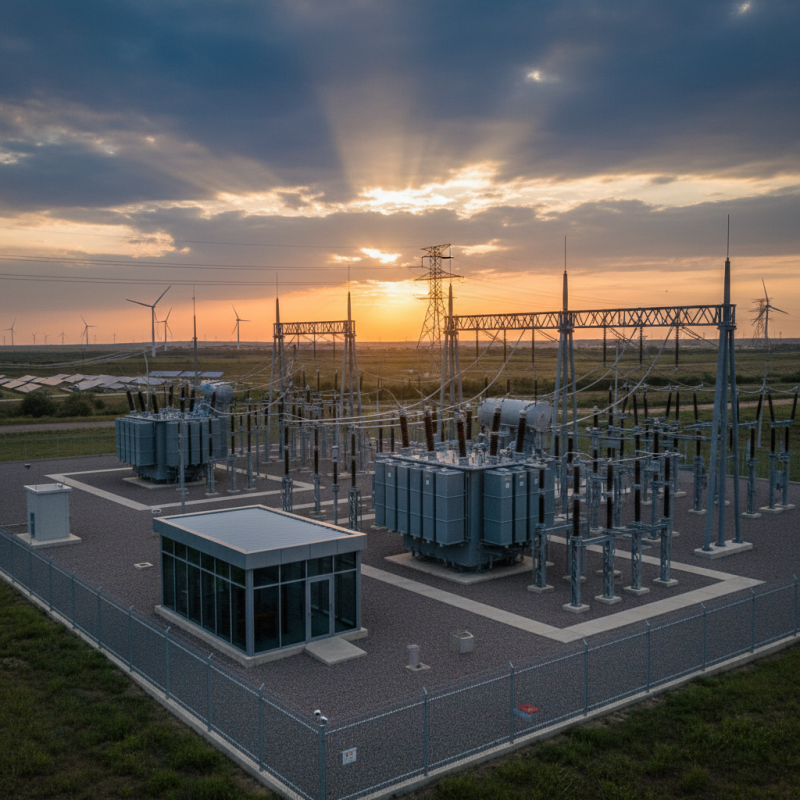
Understanding the Purpose of Transformer Substations
Transformer substations play a vital role in electrical systems. They convert voltage levels and ensure efficient power distribution. Understanding their purpose is crucial, especially for businesses and industries relying on electrical energy.
Choosing the right transformer substation begins with assessing your needs. Consider your power requirements, load characteristics, and future expansion plans. Each situation is unique, and what works for one organization may not fit another. Ask relevant questions about capacity, safety features, and maintenance needs.
Tips for decision-making:
1. Analyze your energy consumption patterns. This data helps in selecting the appropriate capacity.
2. Consult with experts. They can provide insights tailored to your specific environment.
3. Evaluate the installation location. Accessibility and safety are often overlooked but critical factors.
Stay aware that not every option offers the same reliability and efficiency. Researching different configurations and technologies can prevent costly errors later. Take time to reflect on your short-term and long-term goals. Avoid rushing into a decision without comprehensive analysis.
Key Factors to Consider When Choosing a Transformer Substation
When selecting a transformer substation, several key factors come into play. First, consider the power requirements. The substation’s capacity should align with your operational needs. Reports indicate that approximately 70% of transformer failures stem from inadequate sizing. Oversizing can lead to inefficiencies, while undersizing risks overload.
Another important aspect is the location of the substation. Proximity to load centers reduces transmission losses. A study revealed that optimizing the placement can decrease energy losses by up to 25%. Additionally, environmental factors, such as temperature and humidity, can affect transformer performance. Transformers in harsh conditions may require enhanced insulation and cooling solutions.
Finally, maintenance plays a crucial role in the longevity of a transformer substation. Regular checks can identify issues before they escalate. Research shows that proactive maintenance can extend equipment life by 30%. Nevertheless, many facilities overlook this, leading to unexpected downtime. It’s essential to balance upfront costs with long-term operational efficiency and reliability.
How to Choose the Best Transformer Substation for Your Needs?
| Key Factors | Description |
| Capacity | Consider the power requirements of your electrical system, measured in kVA or MVA. |
| Voltage Rating | Choose a transformer with the correct primary and secondary voltage ratings for your application. |
| Cooling Method | Decide between air-cooled and oil-cooled transformers based on your environment and requirements. |
| Installation Location | Assess the site where the transformer will be installed, considering space and accessibility. |
| Environmental Conditions | Evaluate factors like humidity, temperature, and exposure to contaminants that may affect performance. |
| Regulatory Standards | Ensure compliance with national and local standards regarding safety and performance. |
| Budget | Set a budget that includes initial purchase costs as well as maintenance and operational costs. |
Types of Transformer Substations and Their Applications
Transformer substations are essential for electrical distribution across various sectors. Understanding their types and applications helps in making informed decisions.
There are several types of transformer substations. Transmission substations step up voltage for long-distance transmission. Distribution substations, on the other hand, lower voltage closer to the end-users. Industrial substations serve specific manufacturing needs, ensuring machines operate efficiently. Each type has a unique design and purpose that caters to diverse energy needs.
Choosing the right substation requires careful consideration. Factors like location, capacity, and intended usage are crucial. A poorly chosen substation can lead to inefficiencies and increased costs.
Take time to assess your unique requirements. Engage with professionals to gather insights tailored to your situation. This ensures that your decision is backed by experience and expertise.
Evaluating Capacity and Efficiency Requirements
When selecting a transformer substation, evaluating capacity and efficiency is crucial. Start by understanding the energy demands of your facility. Calculate the maximum load your operations will require. This helps in identifying the appropriate transformer size. It’s essential to avoid under-sizing, as this leads to inefficiencies and potential equipment failure. Oversizing carries its own risks, such as increased initial costs.
Efficiency is another significant factor in the selection process. Assess the transformer’s energy loss metrics. A highly efficient transformer reduces operational costs over time. Look for specifications related to no-load and load losses. These figures greatly affect the overall performance. Conducting a life cycle cost analysis can offer deeper insights into long-term savings.
In addition, consider environmental conditions. High temperatures can affect energy efficiency. Make sure the equipment can withstand local climate conditions without degradation. Consult with experts who can provide tailored advice based on specific needs. Engaging with professionals can help avoid common pitfalls in substation selection and ensure optimal performance.
Transformer Substation Capacity Evaluation
This chart visualizes the efficiency and capacity requirements for different types of transformer substations based on typical load capacities. The data includes standard capacities measured in MVA (Mega Volt-Amperes) for distribution and transmission substations.
Cost Analysis and Budgeting for Transformer Substations
When selecting a transformer substation, cost analysis is vital. Understanding the total cost of ownership (TCO) helps in budgeting effectively. According to a report by the International Energy Agency (IEA), the initial investment can cover up to 70% of the TCO. Often, long-term operational costs are overlooked.
Field surveys show that maintenance can consume 15-20% of the annual budget. Using smart monitoring technologies can offset some operational costs. Yet, the upfront investment may deter some companies. Balancing these factors demands careful assessment.
Moreover, installation costs can vary significantly. The average installation expense ranges from $200,000 to $500,000. These figures highlight the need for detailed financial planning. Unexpected costs arise frequently. Proper budget forecasting can mitigate these surprises. Thus, a thorough evaluation of both immediate and long-term costs is essential.