How to Choose the Best Fertilizer Equipment for Your Needs?
Choosing the right fertilizer equipment is crucial for maximizing agricultural productivity. According to the International Fertilizer Association, the global fertilizer market is projected to reach $200 billion by 2025. With this growth, selecting suitable equipment becomes increasingly important for farmers. Proper equipment ensures efficient nutrient application, which directly impacts crop yields.
Farmers face diverse challenges when selecting fertilizer equipment. These include varying soil types, crop requirements, and environmental conditions. Inadequate equipment may lead to nutrient wastage or suboptimal crop performance. A recent study revealed that 40% of farmers struggle with choosing the appropriate equipment, highlighting a significant gap in knowledge.
Understanding specific needs is essential in this decision-making process. Factors like equipment size, application methods, and compatibility with existing machinery should be considered. Investing in the right fertilizer equipment not only boosts productivity but also fosters sustainable farming practices. As the industry evolves, staying informed about technological advancements can aid farmers in making better choices.
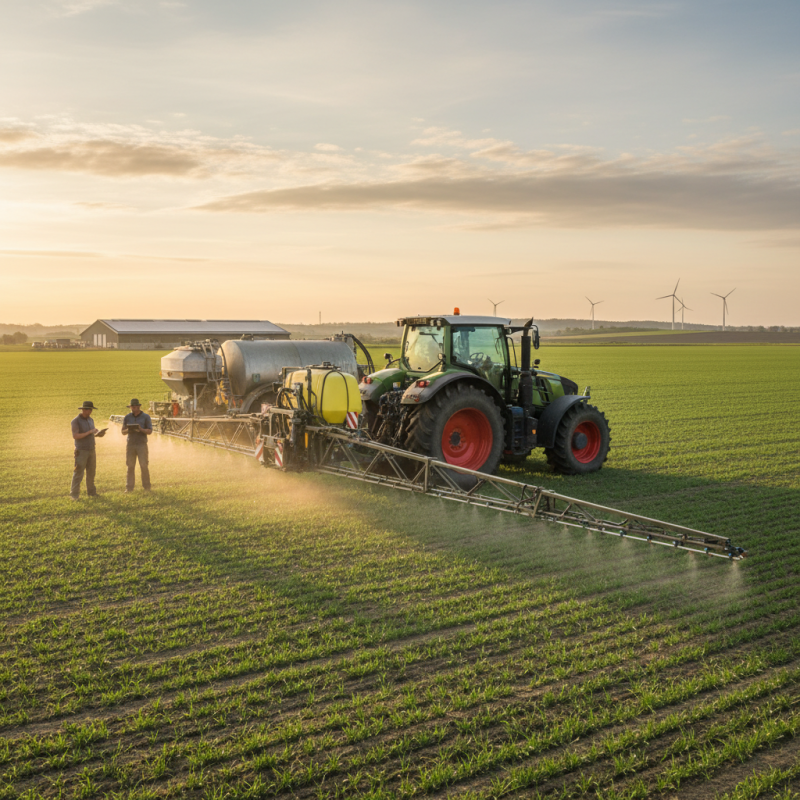
Understanding Different Types of Fertilizer Equipment Available
When selecting fertilizer equipment, it’s crucial to understand the types available. Equipment varies based on application methods and the complexity of tasks. Broadly, we classify them into two main categories: granule and liquid systems. Granule systems work well for solid fertilizers, offering precision and efficiency in soil application. In contrast, liquid systems allow for foliar feeding and are often easier to apply.
Tips: Evaluate your land size. Smaller farms may benefit from portable equipment. Larger operations require more robust solutions. Consider your crop type as well; different plants thrive on different nutrient forms.
Another essential factor is the technology behind the equipment. Some machines now include GPS tracking or smart sensors. These features enhance accuracy in application, leading to better crop yields. However, these advanced models can require more upkeep. Regular maintenance is essential to ensure longevity and reliability.
Tips: Budget for maintenance costs. A less expensive initial investment may lead to higher long-term repair expenses. Understanding your specific needs can prevent overspending on features you won’t use. Reflect on how often you'll use the equipment.
Comparison of Different Types of Fertilizer Equipment
Assessing Your Specific Fertilizer Needs and Goals
Assessing your specific fertilizer needs starts with understanding your soil type. Soil health plays a crucial role in plant growth. Testing your soil helps identify nutrient deficiencies. This knowledge guides your fertilizer choice. Are you dealing with sandy, clay, or loamy soil? Each type requires a unique approach to fertilization.
When considering fertilizer equipment, think about your scale. Small gardens may need simple spreaders. Larger farms might require advanced machinery. It’s essential to match your tools to your needs. You may have to adjust your plan as your goals evolve. Regularly evaluate your crop yields to ensure effectiveness.
Tips: Always consult local agricultural extensions for soil testing resources. Keep an eye on weather patterns; they influence nutrient uptake. Experiment with different fertilizers to see what works best for your plants. Adjust based on results rather than preconceptions. This reflection fosters growth and improvement.
Evaluating Key Features in Fertilizer Equipment
When selecting fertilizer equipment, it's essential to evaluate key features that meet your specific agricultural needs. Consider the type of crops you grow. Different plants require varying nutrient profiles. Make sure the equipment can deliver the right balance of fertilizers. Look into how easy it is to adjust the settings. Complexity can slow you down in the field.
Durability is another critical aspect. Equipment should withstand harsh weather conditions. Steel components tend to last longer than plastic ones. However, heavier materials might be cumbersome to handle. Think about the long-term costs versus initial investments. Sometimes, cheaper options lead to more problems down the road. Pay attention to maintenance requirements as well. High-maintenance machines can drain resources and time.
Don't overlook the technology features available today. Precision agriculture tools can optimize fertilizer application. However, ensure you have the knowledge to use them effectively. Sometimes, technology can be overwhelming or lead to dependency. A good balance between manual and automated processes may enhance efficiency. Reflect on your operational needs regularly to avoid mismatches.
Comparing Costs and Efficiency of Various Options
When choosing the best fertilizer equipment, it's important to consider both cost and efficiency. Reports indicate that investing in high-quality equipment can lead to a significant increase in crop yield. Research shows that effective fertilization increases efficiency by up to 30%. This optimization translates to better resource management and lower overall costs.
Evaluate your options carefully. For example, granular spreaders often offer a lower initial cost compared to liquid systems. However, studies reveal that liquid systems may provide more precise application, resulting in higher yields. The key is to balance upfront costs with long-term benefits.
Tip: Always analyze your specific needs before purchasing. Consider soil type, crop requirements, and regional climate. A detailed soil analysis can guide you in selecting the most suitable equipment.
Not all equipment is reliable. Some may promise efficiency but fail to deliver. A survey found that 25% of farmers faced issues with underperforming equipment. It's crucial to investigate reviews and ask for recommendations from experts in the field. This feedback can save you time and money in the long run.
Finding Reliable Suppliers and Manufacturers for Fertilizer Equipment
When it comes to selecting fertilizer equipment, finding reliable suppliers and manufacturers is critical. According to the Fertilizer Institute, the global fertilizer market is projected to reach $230 billion by 2027. This immense market underscores the importance of sourcing quality equipment. Many buyers focus only on cost. However, reliability and reputation must also be considered.
Research shows that about 56% of farmers report challenges with equipment durability. If you select a supplier known for quality, this risk decreases significantly. Reviews from other users can provide insight into manufacturer reliability. Platforms like agricultural expos and trade shows enable face-to-face interactions, allowing for informed decisions.
Data from the USDA indicates that 80% of successful operations rely on well-maintained equipment. Investing in quality supplies can minimize future costs. Some businesses may rush procurement, leading to long-term issues. A thorough evaluation of suppliers is essential. Verify their track record by requesting references or checking industry reports. In this fluid market, maintaining an adaptable strategy is vital for future success in fertilizer application.