Why Choose the Best Current Sensor for Your Applications?
Choosing the right Current Sensor for your applications is crucial for performance and efficiency. According to a report by MarketsandMarkets, the global current sensor market is projected to reach $4.1 billion by 2025, reflecting increased demand in sectors like electric vehicles and industrial automation. With such rapid growth, selecting an effective current sensor can lead to significant advancements in technology and energy savings.
Dr. Emily Chen, a leading expert in sensors, emphasizes, "The accuracy and reliability of current sensors directly impact operational efficiency." Her insights highlight the need for precision in current sensing applications. Understanding factors like measurement range, response time, and load specifications can be daunting. A poorly chosen current sensor can lead to unexpected failures and unnecessary costs.
While some products claim to offer high-performance results, not every current sensor meets those expectations. It's essential to analyze specifications critically and to choose based on real-world performance. Partnering with industry leaders and consulting comprehensive reviews can guide this decision-making process effectively. Engaging with professionals and examining case studies will improve your understanding and selection of current sensors for your specific needs.
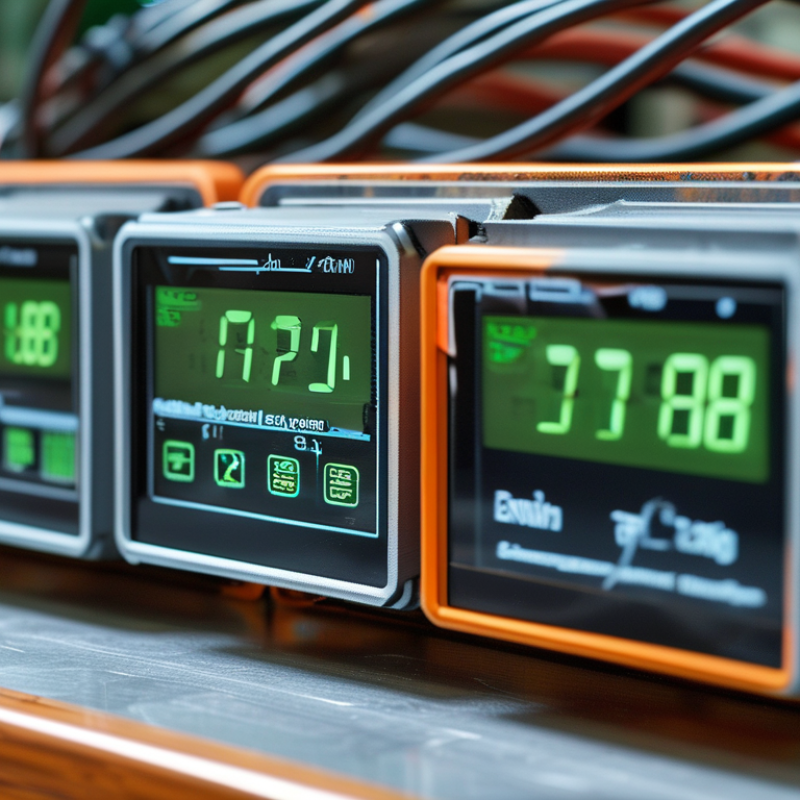
Understanding Current Sensors: Types and Principles of Operation
Current sensors play a critical role in various applications. Understanding their types and principles of operation is essential. There are several categories of current sensors, including hall effect sensors, shunt resistors, and current transformers. Each type operates based on different principles, offering unique benefits and limitations.
Hall effect sensors detect magnetic fields and convert them into an electrical signal. They provide galvanic isolation, making them safe in high-voltage environments. Shunt resistors, on the other hand, measure current by sensing the voltage drop across a known resistance. They offer high accuracy but require careful handling to minimize errors. Current transformers are used for AC measurements and are especially useful in power systems.
Choosing the right current sensor requires a deep understanding of your specific needs. Factors such as operating range, environmental conditions, and accuracy tolerance can significantly impact the selection. It's important to test various sensor types to find the most reliable option. This process can reveal unexpected challenges, like measurement drift or noise interference. Understanding these intricacies helps in making an informed decision.
Key Factors to Consider When Selecting Current Sensors
Choosing the right current sensor is crucial for optimizing your applications. Several key factors should guide your selection process. Consider the measuring range. It affects accuracy and performance. Sensors with limited ranges may lead to inaccurate readings under fluctuating conditions. Additionally, think about the sensor's resolution. Higher resolution provides more detailed information, which is essential for precise measurements.
Another important factor is the sensor's response time. A slow response can hinder your system’s performance. Applications requiring real-time monitoring particularly need fast sensors. You should also evaluate environmental conditions. Sensors must withstand temperature fluctuations, humidity, and other environmental factors.
**Tips:** Always check the durability ratings of sensors. This information helps ensure longevity. Also, consult technical specifications for compatibility. Not all sensors work seamlessly with every system or application. Finally, engage with experts or communities for insights. User experiences can reveal concerns not covered in manuals. Take feedback seriously to refine your choice.
Applications of Current Sensors in Various Industries
Current sensors play a vital role across various industries. In automotive applications, they monitor battery usage and ensure efficient energy consumption. These sensors help in optimizing performance and prolonging battery life. In manufacturing, they track equipment performance, enhancing efficiency and minimizing downtime. Accurate current measurements allow for timely maintenance, which is crucial for uninterrupted production.
The renewable energy sector also depends heavily on current sensors. They help in monitoring solar power systems and wind turbine operations. By providing real-time data, these sensors enable better resource management. However, challenges arise in achieving precise measurements under varying conditions. Reliability is paramount, as inaccurate readings can lead to inefficiencies.
In healthcare, current sensors are essential in medical devices. They ensure proper functioning of equipment, maintaining patient safety. The need for reliability in this sector cannot be overstated. Yet, not all sensors meet the required standards of accuracy. It is vital to choose wisely to avoid potential risks. The diverse applications demonstrate the importance of quality in current sensors.
Current Sensor Applications Across Various Industries
Comparative Analysis of Top Current Sensor Brands
When selecting a current sensor, understanding the comparative advantages of various brands is crucial. A recent industry report indicates that nearly 35% of applications fail due to improper sensor selection. Key factors driving this decision include accuracy, response time, and cost-effectiveness. Brands vary in their specifications, which can significantly impact performance across different environments.
For instance, some sensors excel in high-frequency applications but may lack the precision required for low-energy measurements. A study highlighted that sensors with a response time under 1 ms significantly improve system reliability. However, a balance must be struck; lower-cost options frequently compromise on build quality. Therefore, one could argue that cheaper sensors might need more frequent replacements, leading to hidden costs.
Moreover, industry standards vary widely among manufacturers, leading to confusion in selection. A survey found that 48% of engineers feel overwhelmed when choosing between brands. It's essential to gather detailed specifications and seek user testimonials before deciding. Sometimes, a popular choice may not suit your specific needs. A thorough analysis will always yield better results, avoiding regrets down the line.
Future Trends in Current Sensor Technology and Innovations
Current sensor technology is evolving rapidly, driven by the rising demand for accurate and reliable measurements. The integration of IoT is a key trend. Smart current sensors can connect to networks, providing real-time data analysis. This feature enhances monitoring capabilities in industrial applications and renewable energy systems.
One of the exciting innovations is the development of non-invasive sensors. These sensors can measure current without needing direct electrical contact. This breakthrough improves safety and simplifies installation processes. Users can gather important data without interrupting system operations.
Tips: When selecting a current sensor, consider your application’s specific needs. Evaluate whether you require high precision or broader measurement ranges. Keep in mind that non-invasive options may offer better safety but could compromise accuracy.
The rise of artificial intelligence in current sensor technology is another fascinating trend. AI algorithms can analyze data and detect anomalies more effectively. This development promises to enhance preventative maintenance, reducing equipment failures. However, relying heavily on AI raises questions about data security and reliability. Users may need to balance technology with trusted human oversight.