Why Choose Nichrome Flat Wire for Your Heating Applications?
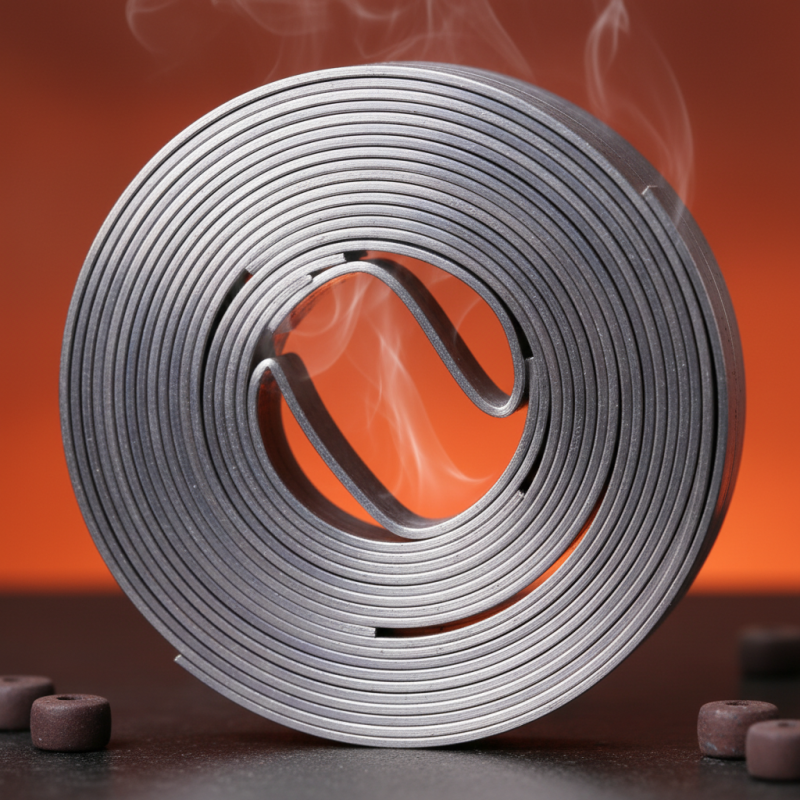
In today's heating applications, choosing the right material is crucial. Nichrome flat wire stands out for its exceptional properties. This wire, composed of nickel and chromium, offers durability and resistance to oxidation. It is widely used in heating elements due to its ability to withstand high temperatures.
Nichrome flat wire is known for its versatility. It can be easily shaped to meet specific requirements. Manufacturers often prefer it for electric coils and heating appliances. Its efficiency can enhance performance, improving user satisfaction.
Despite its advantages, some considerations remain. Nichrome flat wire may not be suitable for every application. Users must evaluate their specific needs. While it excels in heat resistance, the initial cost can be concerning for some. Exploring these factors can lead to better decision-making.
Benefits of Using Nichrome Flat Wire in Heating Applications
Nichrome flat wire stands out in heating applications due to its unique properties. This alloy, composed mainly of nickel and chromium, is known for its excellent resistance to oxidation and high temperatures. Unlike other materials, nichrome can withstand extreme conditions without degrading quickly. This resilience makes it ideal for various heating elements, ranging from toasters to industrial furnaces.
Another significant advantage of nichrome flat wire is its efficiency. It offers excellent heat distribution, ensuring that energy is used effectively. This efficiency can lead to lower operational costs, which is crucial for businesses relying on consistent heating. Many technicians appreciate how easy it is to work with this wire. However, improper handling can still lead to breakage, which may be frustrating for users.
Durability is another key point. Nichrome flat wire does not wear out easily, even under intense heat. Its lifespan is often longer than that of other heating materials. However, it’s essential to regularly inspect and replace wire when necessary. Neglecting maintenance can lead to unexpected failures, impacting productivity. Emerging technologies continuously improve nichrome wire performance, but there’s always room for innovation.
Benefits of Using Nichrome Flat Wire in Heating Applications
Nichrome flat wire offers numerous advantages in heating applications, which can be quantified in several key areas. The following chart illustrates the relative benefits based on various factors such as thermal conductivity, resistance to oxidation, durability, and ease of shaping.
Comparison of Nichrome Flat Wire with Other Heating Materials
Nichrome flat wire stands out in heating applications due to its unique properties. Its resistance to oxidation at high temperatures is a significant advantage over other materials like Kanthal and stainless steel. According to data from industry reports, Nichrome can withstand temperatures exceeding 1,200 °C without degrading. This characteristic ensures longevity in high-heat environments, making it ideal for various industrial uses.
In comparison to Kanthal, which is also a popular choice, Nichrome offers superior flexibility. This allows for easier handling and installation in tight spaces. Moreover, Nichrome's higher resistance-to-weight ratio contributes to energy efficiency. A study published in the Journal of Materials Science highlights that Nichrome flat wire can maintain consistent heating with lower energy costs, appealing to manufacturers seeking efficient solutions.
While Nichrome has many benefits, it is not without limitations. Its relatively higher cost can be a concern for some applications, potentially overshadowing its advantages. Additionally, while resistant to oxidation, it may corrode under certain conditions if not properly managed. These factors require users to weigh the pros and cons based on specific heating needs. In the end, understanding the nuanced differences helps in making informed decisions.
Understanding the Properties of Nichrome Wire for Heat Resistance
Nichrome flat wire is a popular choice for various heating applications due to its excellent heat resistance properties. This alloy, primarily made of nickel and chromium, can withstand high temperatures without losing structural integrity. Nichrome wire can handle temperatures of up to 1,200°C (2,192°F), making it suitable for industrial heating elements and household appliances alike. Its durability and ability to maintain consistent resistance make it a preferred option for many engineers and hobbyists working on heat-related projects.
One of the key benefits of nichrome wire is its oxidation resistance. Unlike many other materials, nichrome does not readily corrode when exposed to high heat. This feature is particularly important in environments like kilns or toasters where wire can deteriorate quickly. However, working with nichrome requires careful handling. Its high resistance means it can generate significant heat, and improper use can lead to overheating and failure. Understanding these nuances is vital for anyone considering nichrome for their heating solutions.
Another consideration is the difficulty of working with nichrome. It is not as easy to solder as copper wire. Technicians may find it challenging to join nichrome wires without specialized tools or techniques. This aspect can be a limiting factor for some applications. Despite these challenges, the advantages often outweigh the downsides, especially in high-temperature settings.
Applications and Industries Utilizing Nichrome Flat Wire
Nichrome flat wire is vital in various industries. It's primarily used in heating elements. This wire offers high resistance, making it ideal for electric heaters. Aerospace and automotive sectors frequently utilize nichrome flat wire for its durability. The aerospace industry relies on it for stable performance in harsh conditions.
Medical devices also benefit from nichrome flat wire. Heating pads and thermoregulation devices use it for precise temperature control. This helps ensure patient safety and comfort. In the food industry, nichrome flat wire is found in ovens and cookers. Its efficiency contributes to better energy management and faster cooking times.
However, using nichrome wire isn’t always straightforward. Proper installation and maintenance are crucial for performance. Missteps can lead to inefficiencies. Understanding the exact specifications needed for each application is essential. Care must be taken to avoid overheating, which can diminish the wire's lifespan. Testing and monitoring systems are necessary to mitigate these risks.
Installation and Maintenance Tips for Nichrome Flat Wire Heating Systems
Nichrome flat wire is an excellent choice for heating applications due to its durability and efficiency. When installing a nichrome heating system, you must ensure proper placement. The wire should be laid out flat to avoid hotspots. Uneven surfaces can create areas that overheat, leading to premature failure. Pay attention to the wire spacing to maintain uniform heat distribution.
Regular maintenance is also crucial for optimal performance. Inspect the system periodically for any signs of corrosion or damage. Keep the area around the wire clean and free from debris. This not only improves efficiency but also extends the lifespan of the heating elements. If you notice any irregularities in heating, it may indicate issues with the wire integrity or connections.
Always remain cautious during the installation and operation process. Mistakes can happen, leading to potential safety hazards. It's essential to have a clear understanding of the operating temperatures and voltage levels. Monitoring and adjusting these parameters can prevent failures and maintain efficiency in your heating applications. Each installation may present unique challenges, and learning from those experiences enhances future projects.