How to Choose the Best Eyebolts Stainless Steel for Your Projects?
Choosing the right Eyebolts Stainless Steel for your projects can be daunting. The variety available may overwhelm you. Eyebolts serve crucial roles in construction and mechanical applications, ensuring safety and reliability. Selecting the best ones requires careful consideration.
The right stainless steel eyebolts can enhance durability and performance. Factors such as load capacity, corrosion resistance, and thread type are essential. Understanding these aspects is vital to avoid potential failures and ensure project success. Each project has its unique requirements, which can lead to mistakes if overlooked.
It's easy to make assumptions regarding eyebolts without thorough research. Relying solely on price or appearance might not guarantee quality. Engaging with expert opinions can provide clarity. This journey into the world of Eyebolts Stainless Steel should be approached with both caution and curiosity. Your project's integrity depends on these critical decisions.
Understanding Eyebolts: Types and Applications in Various Projects
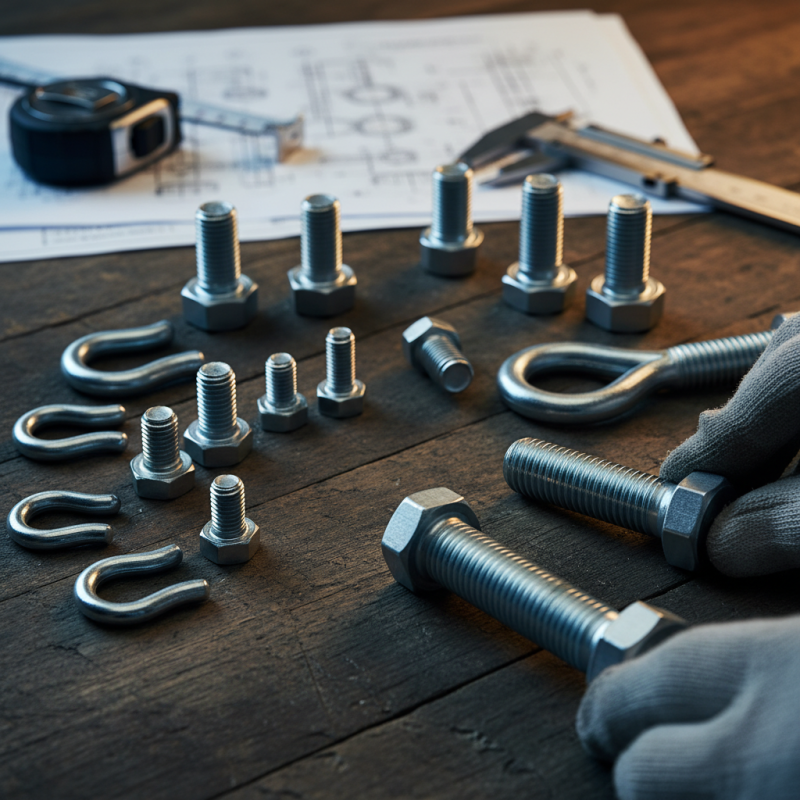
Eyebolts are essential hardware used in various projects for lifting and securing loads. They come in different types, such as closed eye, open eye, and shoulder eyebolts. Each variation serves unique purposes. Closed eye eyebolts are strong and ideal for lifting applications. Open eye versions are more suitable for quick connections. Shoulder eyebolts can handle angular loads, making them versatile.
Choosing the right eyebolt requires understanding its application. For instance, projects involving heavy lifting demand high-strength stainless steel eyebolts. Consider load capacity and environmental factors like corrosion. In some cases, even slight miscalculations can lead to failures. Eye sizes should match the accessories used, ensuring a secure connection. When in doubt, consulting with an expert can prevent costly mistakes.
Proper installation is vital for safety. Improperly installed eyebolts can be a weak point. A poorly chosen eyebolt might lead to accidents. It’s important to regularly check and maintain the eyebolts in use. Remember, the quality of your projects often hinges on these small but significant components.
Key Factors to Consider When Selecting Stainless Steel Eyebolts
When choosing stainless steel eyebolts for your projects, several key factors come into play. Material grade is crucial; 304 and 316 stainless steel are common choices. 316 offers better corrosion resistance, especially in marine settings. If your project involves exposure to chemicals or harsh environments, opt for 316.
Load capacity is another essential consideration. Eyebolts come with different load ratings. Ensure you select an eyebolt that exceeds your project's requirements. This is not just about safety; it's about reliability in performance. Every project has unique demands, so understanding these needs is vital.
Tips: Always check the manufacturer's specifications. Not all eyebolts are created equal. Miscalculating load limits can lead to serious consequences. Additionally, inspect eyebolts for any signs of wear or damage before use. This simple step can prevent future issues and ensure better longevity.
Another point to reflect on is the installation method. The way an eyebolt is secured can affect its performance. Some projects may require anchoring into solid materials, while others may use additional hardware. Be aware of how your installation technique impacts overall functionality. Being mindful of these details will lead to greater success in your projects.
Strength Ratings and Load Capacities of Different Eyebolts
When selecting eyebolts, strength ratings and load capacities are paramount. Stainless steel eyebolts generally come in grades 304 and 316, each suitable for different environments. Grade 304 offers decent corrosion resistance, making it ideal for indoor use and mild outdoor conditions. In contrast, Grade 316 provides superior protection against saltwater and harsh chemicals, allowing for applications in marine and industrial settings.
Manufacturers typically rate eyebolts based on their maximum load capacity, which is influenced by several factors, including the material grade and the bolt’s diameter. For example, a 1/2-inch diameter Grade 304 stainless steel eyebolt can support loads up to 5,000 pounds in ideal conditions. However, it’s essential to consider safety factors, typically ranging from 4:1 to 5:1, based on application demands. This means for a load of 1,000 pounds, the eyebolt should ideally handle 4,000 to 5,000 pounds.
While specifications are critical, actual conditions can vary. Factors like installation methods and environmental stress can impact performance. A poorly installed eyebolt, regardless of its rated strength, can fail under considerable loading. Continuous monitoring and periodic inspections can help maintain reliability, ensuring that the eyebolts continue to perform effectively over time. Always verify the load requirements with precise calculations to safeguard against unexpected failures.
Corrosion Resistance: Importance of Material Quality in Eyebolts
Choosing the right eyebolts for your projects is crucial. You may overlook material quality, but it significantly affects durability. Corrosion resistance is vital, especially in outdoor and marine environments. Stainless steel eyebolts can withstand harsh conditions far better than other materials.
When selecting eyebolts, consider the environment. Exposure to saltwater or chemicals can enhance corrosion. You might view eyebolts merely as functional items. However, the quality of stainless steel plays a pivotal role in performance and safety. Low-grade steel can corrode quickly, leading to catastrophic failures.
Pay attention to specifications. Look for eyebolts with high-grade stainless steel to ensure longevity. Don't forget to check for certifications that may indicate quality. Ignoring this detail can lead to costly mistakes. It’s essential to question your choices and invest in reliable materials. Save time and money by prioritizing high-quality eyebolts in your projects.
Installation Techniques and Best Practices for Using Eyebolts
When working with stainless steel eyebolts, proper installation techniques are vital for success. Begin by selecting the right size and type of eyebolts for your project. Ensure that the eyebolts are made from high-quality stainless steel to prevent corrosion. Inspect the installation area; it should be clean, free of rust, and structurally sound. Consider using a washer to distribute load and protect the surface underneath.
Drill holes in the correct size as per the manufacturer's guidelines. A hole that is too large can compromise strength, while one that is too small risks damaging the eyebolt. Insert the eyebolt and tighten it securely. Over-torquing can lead to failure, so always refer to specifications for correct torque values.
Regular inspection after installation is crucial. Check for any signs of wear or stress. If any issues arise, it is better to replace the eyebolt sooner than later. This proactive approach can prevent accidents and ensure safety in all applications.