How to Choose the Best 5-axis Gantry Machining Center?
Choosing the right 5-axis Gantry Machining Center can impact your production efficiency significantly. Industry expert Dr. Hannah Lee emphasizes, “A well-chosen machining center is a game changer.” Her experience underlines the crucial factors in making this decision.
When selecting a 5-axis Gantry Machining Center, consider accuracy, rigidity, and versatility. The center must accommodate various materials and complex geometries. Evaluate the machine's specifications and ensure it aligns with your production needs. Additionally, consider after-sales support and maintenance services, as they are vital for operational longevity.
However, it’s easy to overlook key details in this process. Many buyers prioritize features but underestimate the importance of reliability and service. Reflect on past experiences where choices were made quickly. A wrongful decision can lead to costly downtime and inefficiencies. It’s essential to weigh all factors thoroughly to find the best fit for your manufacturing environment.
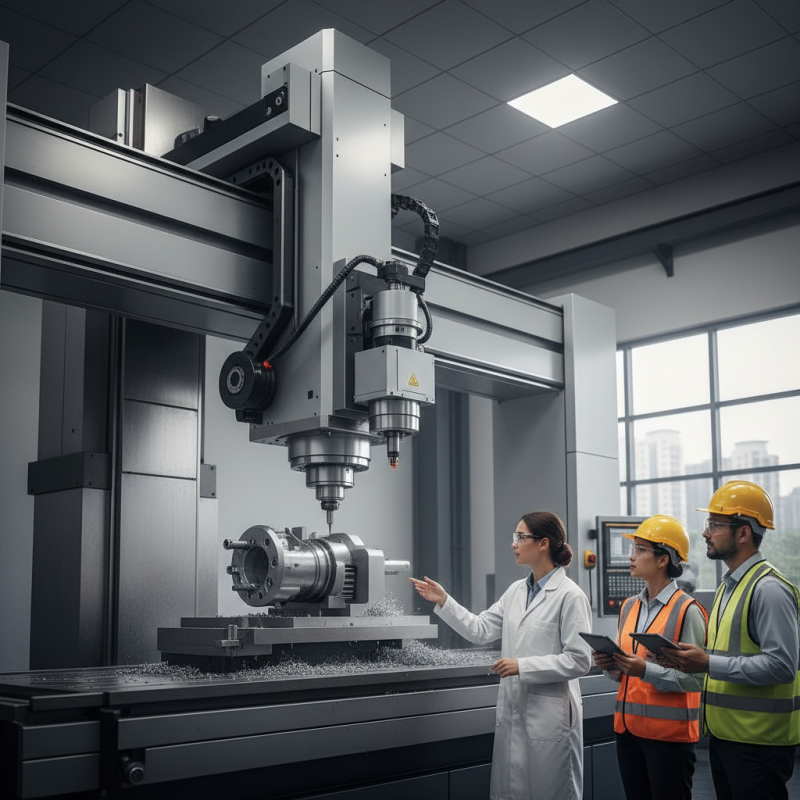
Understanding 5-axis Gantry Machining Center Basics
When choosing a 5-axis gantry machining center, understanding its fundamentals is essential. These machines operate on five different axes. This design allows for complex shapes and precise machining. According to industry reports, the global market for 5-axis machining centers is expected to grow at a CAGR of 6.4% from 2023 to 2030.
5-axis machineries enhance productivity. They reduce the need for multiple setups, saving time. Additionally, they deliver high accuracy and can work with various materials, including metals and plastics. However, these machines require skilled operators. Not every facility has personnel with the right expertise. Training programs can bridge this gap.
Tips: When selecting a machining center, assess your specific needs. Consider the materials you will use and the complexity of your projects. It's also vital to investigate maintenance and support options. Regular software updates can improve functionality and longevity. Many users overlook these elements, leading to operational setbacks. Be proactive in your choices to avoid potential pitfalls. Ensure you analyze both current and future demands to make informed decisions.
Key Features to Look for in a 5-axis Gantry Machining Center
When selecting a 5-axis gantry machining center, key features play a critical role. The size of the machining area is vital. A larger workspace allows for the handling of bigger parts and complex geometries. Precision is another essential factor. Look for machines that offer high repeatability and accuracy. This ensures that parts meet strict tolerance requirements.
The type of control system also matters. Advanced CNC systems provide better programmability and real-time monitoring. This enhances efficiency and reduces downtime. Additionally, consider the machine's rigidity and stability. These factors contribute to reducing vibrations, which can affect the machining quality.
While researching, it’s important to examine the machine's maintenance needs. Some models may offer easy access for repairs, while others require more complex procedures. Reflection on your specific requirements can lead to better-informed decisions. Lastly, reviewing user experiences can provide insights into reliability and performance over time. This added layer of knowledge helps ensure a more successful investment in your machining capabilities.
Evaluating Performance: Speed, Precision, and Load Capacity
When selecting a 5-axis gantry machining center, performance metrics like speed, precision, and load capacity become crucial. According to a recent industry report, machining centers with a higher spindle speed, above 20,000 RPM, tend to provide better cycle times. Faster speeds can significantly reduce machining time, improving overall productivity. However, it's vital to remember that speed should not compromise accuracy.
Precision is equally important. The best machines offer positional accuracy within ±0.005 mm. This level of precision is critical for industries like aerospace and medical devices, where tolerances can be extremely tight. Some users report that achieving consistent precision can be challenging, raising concerns about calibration and maintenance. Operators need to invest time ensuring their machines remain finely tuned.
Load capacity also plays a significant role in selecting a machining center. Equipment that supports heavier loads can handle larger workpieces, but this can affect speed and precision ratios. For instance, machines with a load capacity exceeding 1,500 kg may experience vibrations, which could lead to inaccuracies. Balancing these factors requires careful consideration of intended applications and potential compromises.
Assessing Manufacturer Reputation and Customer Support
When selecting a 5-axis gantry machining center, assessing the manufacturer's reputation is crucial. A strong reputation often indicates reliability and quality. Explore industry reviews, testimonials, and expert opinions. Check online forums where machinists share experiences. This information is vital for making an informed choice.
Customer support is equally important. Identify manufacturers that offer comprehensive assistance. Prompt and effective support can save time and reduce frustration. Ensure they provide resources like manuals, troubleshooting guides, and educational content. A responsive team can enhance your overall experience.
Reflect on your needs. Consider how often you may require support. A robust customer service structure can make a significant difference. Balance this with machine specifications and pricing. Sometimes perfection doesn't exist, and compromises must be made. Investing time in research will yield better results.
Budget Considerations: Cost vs. Value in 5-axis Gantry Machines
When considering a 5-axis gantry machining center, budget becomes a critical factor. It's essential to balance cost with value. According to a report by Global Market Insights, the 5-axis machining market is projected to reach USD 6 billion by 2026, highlighting the growing demand for these advanced machines. However, investing solely based on price can lead to regrettable decisions.
Machining centers can vary widely in price. Entry-level models might cost around $100,000, while high-end options can exceed $1 million. A cheaper machine may lack essential features such as robust software or precise controls. Some manufacturers compromise on build quality to reduce costs, potentially affecting long-term performance.
Many firms overlook the total cost of ownership. This includes maintenance, operating efficiency, and potential downtime. A more expensive machine could save money in the long run through better reliability and reduced operational costs. For instance, a study by Deloitte found that high-quality machinery can increase productivity by up to 30%. Investing in a well-balanced gantry machine may require a larger initial budget but offers better value through improved performance and longevity.