What is a Ceramic Mixer Machine and How Does It Work?
The ceramic industry plays a vital role in various sectors, including construction and manufacturing. A key component in this industry is the ceramic mixer machine. This equipment ensures uniformity in mixing diverse ceramic materials, which is crucial for quality consistency. According to a recent industry report by Global Market Insights, the ceramic mixer market is projected to grow at a compound annual growth rate (CAGR) of 5.2% over the next five years.
Dr. Emily Johnson, a renowned expert in ceramic processing, emphasizes the importance of these machines: “The efficiency of a Ceramic Mixer Machine directly impacts product quality.” This statement reflects the industry's emphasis on precision and efficiency. The ability to combine various materials, such as clay and minerals, requires advanced mixing technology. Despite innovations, challenges remain. Many manufacturers struggle with achieving optimal mix consistency, leading to varying product quality.
As the demand for high-quality ceramic goods rises, so does the need for effective ceramic mixing solutions. The Ceramic Mixer Machine must evolve to meet these demands. Companies must continuously assess their mixing processes to stay competitive. The quest for perfection in this essential machinery highlights the industry’s commitment to innovation and quality.
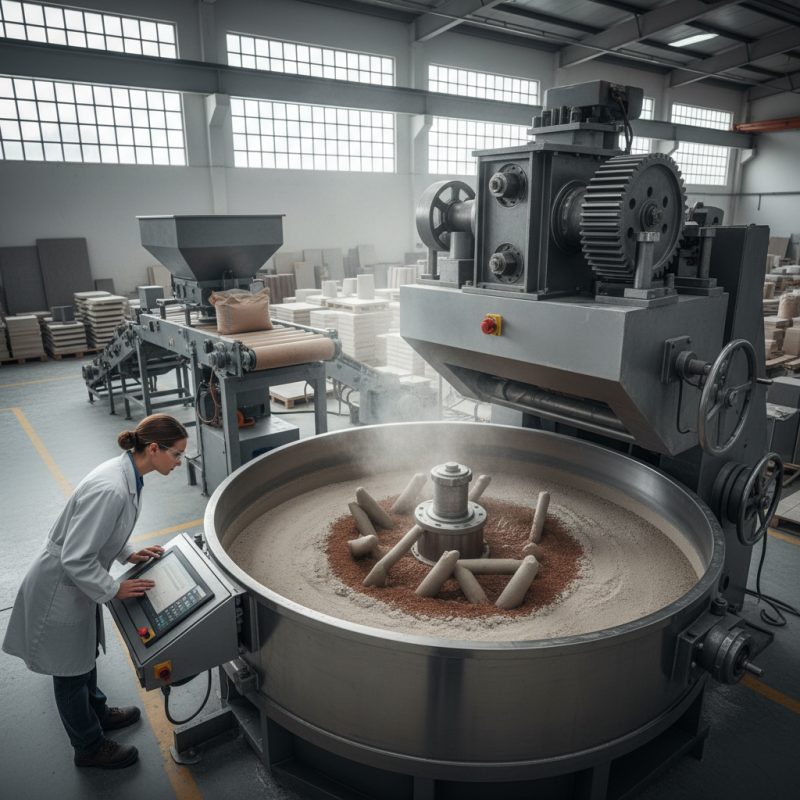
What is a Ceramic Mixer Machine? A Complete Overview
A ceramic mixer machine is essential in the production of ceramic products. It combines raw materials such as clay, kaolin, and additives. These materials need thorough mixing to achieve a uniform texture. This machine uses various blades to break down clumps and ensure even distribution.
The mixing process is crucial. The right consistency impacts the final product's quality. If the mixture is too dry, it can become brittle. Too wet, and it might not hold its shape. Operators must find the right balance. Regular calibration of the machine helps maintain this balance.
Tips for best results include monitoring the moisture content during mixing. Conducting periodic checks can save time. Don't overlook the importance of cleaning the machine after use. Residue can affect future batches. Keeping a detailed log of mixes can help refine processes. Operators should learn from each mix, making necessary adjustments.
Key Components of Ceramic Mixer Machines and Their Functions
Ceramic mixer machines play a crucial role in producing high-quality ceramic materials. Their design features several key components that enhance efficiency and performance. The mixing chamber is one vital part. It ensures uniform distribution of raw materials. Poor mixing can lead to inconsistencies in the final product. Research shows that 30% of ceramic defects stem from inadequate mixing.
Another essential component is the agitator. This part promotes the thorough blending of ceramic powders and liquids. Different agitators serve specific purposes and materials. Some designs will mix quickly, while others may work more slowly for delicate compounds. Choosing the right agitator can significantly impact the texture and quality.
Additionally, the control system regulates the mixer’s operation. This automation improves precision. However, in some cases, over-reliance on automated systems can lead to errors. Human oversight remains crucial. According to industry reports, nearly 40% of machine errors occur during automated mixing processes. Operators must analyze each batch for quality assurance. Mixing ceramics is complex. Every component must work together seamlessly for success.
How Ceramic Mixer Machines Facilitate Material Homogenization
A ceramic mixer machine plays a vital role in material homogenization. It combines various components to create a consistent mixture. This process is crucial for industries that depend on high-quality ceramic products. By ensuring uniformity, manufacturers can improve their product’s strength and durability.
Ceramic mixer machines use different mechanisms, such as blades or paddles. These components rotate to blend materials efficiently. The ability to achieve a consistent mix can significantly influence the final product. Inconsistent mixtures could lead to defects. This computer-controlled precision helps maintain the desired properties of the material.
Tips for choosing a ceramic mixer: consider the size of your operation. Smaller businesses may not need large machines. Also, think about the types of materials you will mix. Some machines work better with certain ceramics. Lastly, pay attention to maintenance requirements. Regular upkeep can prevent downtime and ensure longevity.
Achieving the right blend isn't always easy. Sometimes, even with a good machine, the desired consistency can be elusive. Testing different mixing speeds can help refine the process. Experimenting may lead to better outcomes. Remember, not every batch will be perfect, and that’s okay. Analyzing failures can lead to improvements in future mixes.
Understanding the Mixing Process: Steps Involved in Ceramic Mixing
Ceramic mixing is a crucial process in ceramics manufacturing. The goal is to create a homogeneous mixture of raw materials. This involves several steps that ensure consistency and quality.
Initially, all raw materials, such as clay, feldspar, and silica, are weighed accurately. This step is vital for the final product's properties. Neglecting this can lead to issues later in production. Once weighed, materials are blended in a ceramic mixer. The mixer’s design influences how well materials incorporate. After mixing, the blend may be dampened or added into a liquid for further processing. The mixing duration is critical. Overmixing can create clumps, while undermixing results in uneven textures.
Quality control happens after the mixing phase. A sample is often taken to check consistency. Sometimes, this reveals unexpected variations. Adjustments may be needed, leading to backtracking. The mixing process is not always perfect. It requires constant monitoring and adjustments. The nuances of ceramics mixing highlight the importance of precision and attentiveness.
Industry Applications and Benefits of Ceramic Mixer Machines
Ceramic mixer machines serve various industries effectively. These machines efficiently combine raw materials, ensuring uniformity in blending ceramics. Their primary application is in the production of tiles and pottery. However, they find use in many other areas too, such as dental and industrial ceramics.
The benefits of ceramic mixer machines are noteworthy. They save time, enhancing productivity in manufacturing. Their design allows for easy cleanup, which is essential in maintaining quality. Operators may sometimes overlook maintenance, leading to uneven mixing. Regular checks are crucial to avoid these pitfalls. Monitoring the machine's performance can prevent costly errors. Overall, these machines play a vital role in ensuring product quality across many industries.