Center Bearing Maintenance Tips for Optimal Performance?
Center Bearings play a crucial role in the performance of various machinery. Proper maintenance is essential for their longevity. According to industry expert John Smith, "Regular attention to your center bearing can prevent significant failures." This highlights the importance of a maintenance routine.
Many overlook center bearings until issues arise. A little preventive care can go a long way. Inspections should include looking for cracks and signs of wear. Remember, a small problem can become a major concern if ignored.
Listening to experts can guide us. Smith emphasizes that even minor adjustments can enhance the performance of center bearings. Regular greasing and proper alignment are key. Neglecting these aspects might lead to costly repairs. A proactive approach is best for optimal performance.
Understanding the Role of Center Bearings in Machinery Performance
Center bearings play a pivotal role in the performance of machinery. They support rotating shafts and reduce friction in various applications. According to a recent industry report, proper maintenance of these components can enhance operational efficiency by up to 25%. This highlights the importance of regular inspections and timely interventions.
One key to maintaining center bearings is lubrication. Regularly check lubricant levels and quality. Using the wrong type of lubricant can lead to increased wear and tear. This mistake can severely affect performance and lifespan. Additionally, ensure that all sealing components are intact. A small leak may lead to contamination, drastically reducing bearing effectiveness.
Another tip is to monitor alignment. Misalignment can cause excessive stress on bearings. Industry studies report that misalignment can reduce bearing life by as much as 50%. Regularly use alignment tools and adjust as necessary. Pay attention to unusual vibrations or noises. These could indicate that something is amiss. Early detection is crucial for preventing bigger issues.
Common Signs of Wear and Tear in Center Bearings
Center bearings are crucial components in various machinery. These parts experience constant stress and may show signs of wear over time. Identifying these signs early can help prevent costly breakdowns.
Common indicators of wear include unusual noises. A grinding or rumbling sound often signals that the bearing is failing. Vibration is another telltale sign. Excessive vibrations can indicate imbalance or misalignment in the system. According to recent studies, nearly 30% of machinery failures are linked to bearing issues.
Additionally, visual inspections can reveal problems. Look for discoloration on the bearing surface. Cracks or pitting may also be present, indicating fatigue. Data suggests that bearings showing these signs have an 80% chance of failing within the next few months. Monitoring these warning signs helps in maintaining optimal performance and prolongs the lifespan of your equipment. Addressing issues early is crucial for seamless operation.
Step-by-Step: How to Inspect Center Bearings for Maintenance
Maintaining center bearings is essential for optimal vehicle performance. Regular inspection helps prevent costly repairs. Start by raising the vehicle securely. Use jack stands to ensure safety.
Next, visually inspect the center bearings. Look for signs of wear, such as cracks or corrosion. Listen carefully for unusual noises when the vehicle is in motion. A humming sound may indicate a failing bearing. Don’t ignore this warning. It could lead to bigger problems.
Check the alignment of the driveshaft. Misalignment can cause premature wear. Use a measuring tape to gauge distances between points. Take notes. Documenting these details helps track changes over time. Regular maintenance and attention to detail can extend the lifespan of your center bearings. Remember, neglecting small issues can lead to bigger repairs later. Be proactive.
Recommended Tools and Products for Center Bearing Maintenance
Center bearing maintenance is crucial for smooth vehicle operation. To achieve optimal performance, using the right tools and products is essential. Essential maintenance tools include a basic socket and wrench set. These help with loosening or tightening the bearing mounts efficiently.
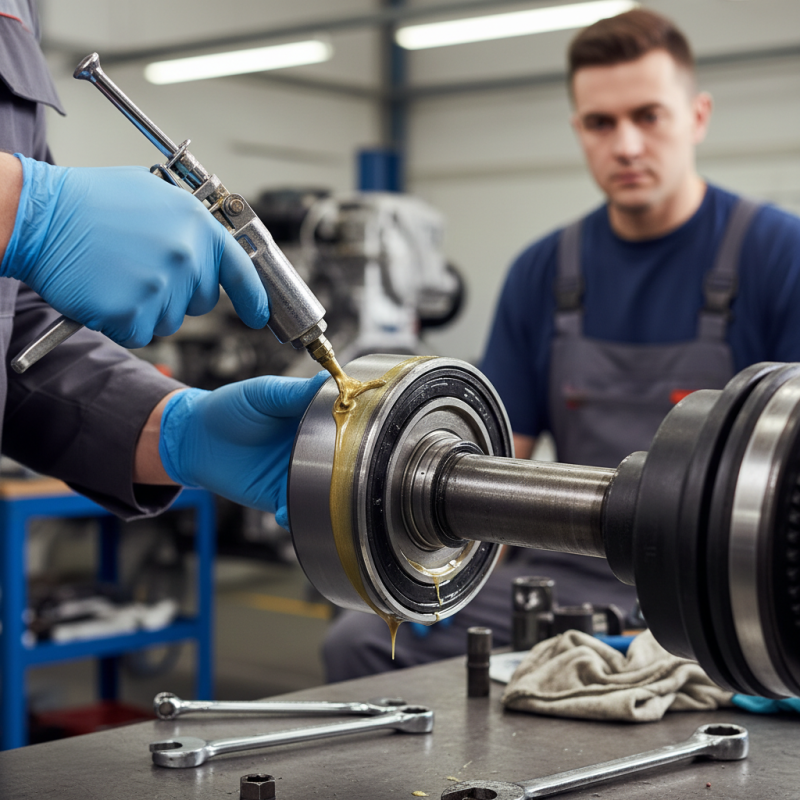
Lubrication is also key. High-quality grease or oil should be applied regularly. A grease gun makes this task easier and more effective. Proper lubrication reduces friction, which can lead to wear over time. Don’t forget inspection. Regularly check the condition of the center bearing itself. Look for signs of wear or damage.
While performing maintenance, stay mindful of potential oversights. Missing a small crack can lead to bigger issues later. Each step matters in ensuring efficiency. Review your methods occasionally. Maintaining focus can mean the difference between a smooth ride and unexpected repairs.
Center Bearing Maintenance Tips for Optimal Performance
| Maintenance Tip | Recommended Tools | Frequency of Maintenance | Estimated Time |
| Inspect for wear and tear | Visual Inspection Tools | Every 6 months | 15 minutes |
| Lubricate bearings | Grease Gun, Lubricant | Every 3 months | 30 minutes |
| Check alignment | Alignment Tools | Quarterly | 1 hour |
| Replace faulty bearings | Bearing Pullers, New Bearings | As needed | 2 hours |
| Monitor vibration levels | Vibration Analyzer | Monthly | 20 minutes |
Best Practices for Lubrication and Care of Center Bearings
Center bearings play a crucial role in vehicle performance. Regular lubrication enhances their function and lifespan. Choosing the right lubricant involves checking compatibility with your bearing material. This ensures smooth operation and reduces wear. Use a grease gun for precise application. Too much grease can be detrimental, causing pressure buildup.
Cleaning is essential for optimal performance. Dust and debris can hinder movement. Regularly inspect the area around the bearing. A simple wipe down can prevent contaminants from entering. Visual checks are often overlooked but significant. Look for signs of rust or wear. If the bearing shows excessive signs of fatigue, consider replacing it early.
Maintaining the correct operating temperature is also vital. Overheating can lead to premature failure. If the bearing feels excessively hot to touch, investigate further. Cooling solutions or airflow adjustments may be necessary. Balancing lubrication and temperature control often requires careful monitoring. Reflecting on these details can lead to improved performance and longevity for your center bearings.