Best Storage Tank Insulation Solutions for Efficient Energy Savings?
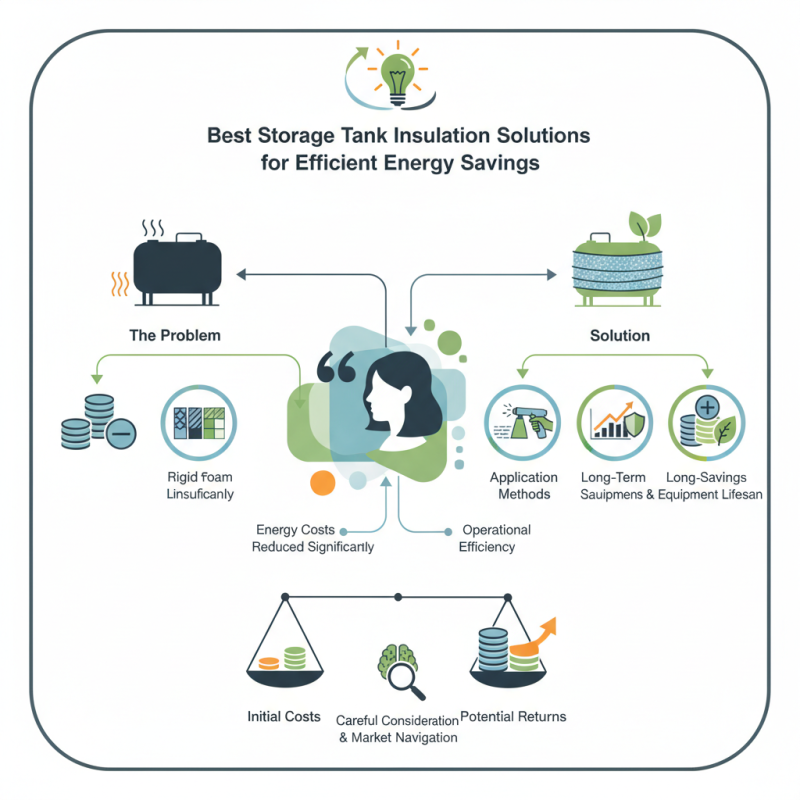
In today's industrial landscape, energy efficiency is paramount. One often overlooked aspect is storage tank insulation. Proper insulation not only conserves energy but also enhances equipment lifespan. According to Dr. Emily Johnson, a leading expert in thermal management, "effective storage tank insulation can reduce energy costs significantly."
Her insights shed light on the critical role this insulation plays in operational efficiency. Many facilities underestimate the impact of uninsulated or poorly insulated tanks. These inefficiencies can lead to excessive energy consumption and increased operational costs. Investing in quality storage tank insulation can yield substantial long-term savings.
Yet, challenges remain. Different materials and application methods can vary widely in performance. Decision-makers must carefully consider their options, balancing initial costs with potential returns. Understanding these intricacies is essential for maximizing the benefits of storage tank insulation while navigating a complex market.
Understanding the Importance of Insulation for Storage Tanks
Storage tank insulation is crucial for efficient energy savings. Insulation minimizes heat loss or gain, maintaining the desired temperature of the stored materials. This is especially important for both hot and cold liquids. By reducing energy consumption, companies can lower operational costs and increase overall efficiency.
Choosing the right insulation material enhances performance. There are various options such as fiberglass, foam, and mineral wool. Each has unique properties, which can affect installation and lifespan. Some materials may not provide adequate protection in extreme temperatures, leading to energy waste and potential equipment failure. Analyzing the specific needs of each tank is essential.
Regular inspection and maintenance of insulation are necessary. Over time, insulation can degrade or become damaged. This may result in inefficiencies and higher energy bills. Identifying these issues early allows for timely repairs. Engaging with industry experts can help ensure optimal insulation solutions.
Types of Insulation Materials for Storage Tanks
The selection of insulation materials for storage tanks plays a vital role in energy efficiency. Mineral wool, for instance, is widely used due to its thermal resistance and fire retardant properties. According to industry data, mineral wool can reduce heat loss by up to 50% when properly installed. Its unique composition provides significant noise reduction as well, which is an added advantage in noisy environments.
Foam insulation is another popular choice. Polyurethane foam, known for its high R-value, ensures maximum thermal efficiency. Studies indicate that foam insulation maintains the desired tank temperature with a minimal energy input. However, installation challenges can arise, particularly in irregularly shaped tanks.
Additionally, reflective insulation materials are gaining traction. These materials reflect radiant heat away from the tanks. Research suggests that reflective insulation can lower energy consumption by 15-30% compared to traditional methods. While these materials are effective, their performance can vary based on environmental conditions and placement.
Choosing the right insulation solution requires careful consideration. Each material offers distinct advantages and challenges. A thorough understanding of these options is key to maximizing energy savings in storage tank applications.
Evaluating Energy Savings Through Effective Insulation
Insulating storage tanks effectively is crucial for energy savings. When tanks lack proper insulation, heat loss can significantly impact energy efficiency. Proper insulation limits the amount of heat exchange with the surrounding environment. This, in turn, lowers energy consumption and operating costs.
Materials like fiberglass and foam can enhance insulation performance. However, selecting the most suitable material requires careful consideration. Insulation must withstand specific temperatures and conditions. In some cases, the cheapest option may not prove to be the most effective. Evaluating the long-term benefits of durable materials is necessary. Improper installation can lead to future energy losses.
Regular maintenance of insulation should not be overlooked. Insulation may degrade over time, resulting in decreased efficiency. Inspections can identify potential issues early. This proactive approach ensures maximum energy savings. Ultimately, effective insulation means better energy management and reduced environmental impact. Making informed choices leads to more sustainable operations.
Best Practices for Installing Tank Insulation
Insulating storage tanks effectively is crucial for energy efficiency. Proper installation methods play a vital role in maximizing benefits. First, it’s essential to assess the tank's size and shape. This determines the type and amount of insulation needed. Failing to measure accurately can lead to insufficient coverage and energy losses.
When applying insulation, ensure the surface is clean. Dust and debris affect adhesion, leading to gaps. Use appropriate sealing materials to prevent moisture intrusion. Improper sealing can cause mold growth and corrosion, undermining insulation effectiveness. Regular inspections after installation allow early detection of any flaws.
Consider the environmental impact. Not all materials are eco-friendly. Choosing sustainable insulation can provide additional benefits. Reflecting on the materials used and their long-term effects is vital. Balancing cost, performance, and sustainability is challenging but critical for true energy savings.
Maintenance and Care for Long-lasting Tank Insulation
When it comes to tank insulation, maintenance is key to ensuring longevity. Regular inspections are crucial. They help identify any potential issues. Dust, moisture, and even pests can impact insulation performance. A simple visual check can save costs later.
Cleaning is another important aspect. Accumulated debris can trap moisture. This leads to mold growth or insulation damage. A soft brush or vacuum can remove buildup effectively. Remember, keeping the area around the tank clean is also beneficial. It promotes airflow and reduces heat loss.
While many focus on installation, ongoing care is often neglected. Insulation requires attention just like any other part. Consider the insulation's condition before making energy efficiency upgrades. Poorly maintained insulation can lead to higher energy bills. Evaluate your approach regularly. Incorporate simple checks into your routine to prevent deterioration. Ignoring these aspects may cost more in the long run.