What are the Best Industrial PC Solutions for Global Buyers
In today's fast-paced industrial landscape, choosing the right Industrial PC is crucial for operational efficiency. Global buyers face a myriad of options, making the selection process challenging. Each type of Industrial PC has its strengths and weaknesses. These machines are designed to withstand harsh environments, yet not every model fits every application.
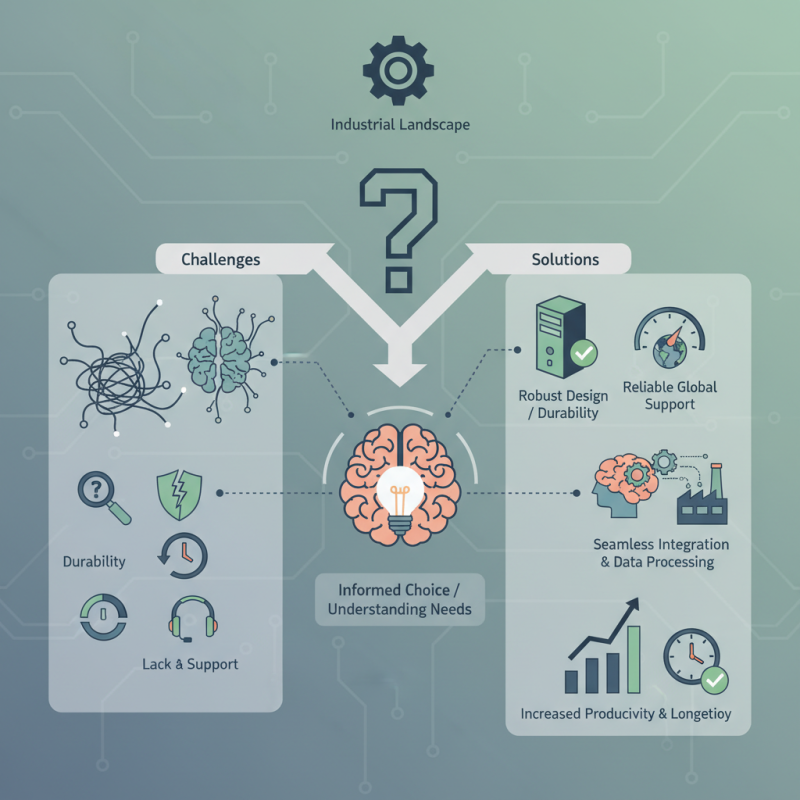
Industrial PCs serve a variety of industries. They support automation, data processing, and real-time monitoring. However, not all Industrial PC solutions are created equal. Buyers must consider factors such as durability, performance, and support. Some brands may offer advanced features but lack customer service reliability.
It’s easy to be swayed by flashy specifications. Real-world performance often tells a different story. Quality, support, and longevity matter. Industrial PCs must not only perform well but also integrate seamlessly into existing systems. Making an informed choice can significantly impact productivity. Understanding the unique needs of your operation will lead to better decisions.
Top Features to Consider in Industrial PC Solutions
When selecting industrial PC solutions, potential buyers should focus on critical features. Robustness is a primary concern. These systems often operate in harsh conditions. They must withstand dust, moisture, and extreme temperatures. Look for something with an IP rating. This ensures it performs reliably where traditional PCs fail.
Performance is another key aspect. Industrial PCs should have powerful processors to handle demanding applications. Adequate RAM is essential as well. Systems with limited memory can lag and affect productivity. Additionally, consider expandability. This allows the PC to grow with the organization’s needs.
Connectivity options cannot be overlooked. Industrial environments rely on various devices and networks. Reliable Ethernet ports, USB connections, and even wireless options might be necessary. Examine the longevity of support. Outdated systems may limit expansion and maintenance. Depending on the supplier, getting adequate technical support can be a mixed experience. Reliable documentation and updates are also critical for maintaining the system’s performance. Ultimately, choosing the right industrial PC demands a keen understanding of these features.
Key Players in the Global Industrial PC Market
When exploring the global industrial PC market, it’s essential to recognize the key players shaping this industry. Companies specializing in ruggedized, robust computing solutions are at the forefront. Their products often withstand extreme conditions, such as high temperatures and vibrations. The demand for reliability in various industrial settings remains high.
Manufacturers focus on innovation to enhance performance. Emerging technologies, such as edge computing, play a vital role. These advancements help optimize data processing close to the source. Industrial PCs are increasingly integrated with IoT systems, enhancing connectivity and real-time analytics. Security is also a growing concern, resulting in improved protective measures.
Despite advancements, challenges exist. The rapid evolution of technology creates a need for constant upgrades. Not all businesses can easily transition to the latest systems. Additionally, compatibility with existing infrastructure often leads to hesitation. Organizations must weigh the pros and cons while considering their unique requirements.
Comparative Analysis of Different Industrial PC Brands
When examining industrial PC solutions, brand comparison becomes essential. Different manufacturers offer a range of specifications tailored to various applications. According to a recent report by MarketsandMarkets, the industrial PC market is projected to reach $5.52 billion by 2027, reflecting significant growth. Key factors for buyers include performance, temperature resistance, and serviceability.
In terms of performance, some brands may provide higher processing power, while others focus on energy efficiency. Reports suggest that systems with Intel processors show a performance edge in real-time applications. However, these systems can fall short in rugged environments, raising questions about their adaptability.
Dependability is also a major concern. Many buyers prioritize long-term support and component longevity. Some brands indicate a lifespan exceeding five years, but actual performance may vary in challenging conditions. This inconsistency highlights the need for careful evaluation. Buyers should assess not just specifications but also manufacturer reputation and customer feedback for a holistic understanding of the options available.
Evaluating Performance and Reliability in Industrial PCs
When selecting industrial PCs, buyers prioritize performance and reliability. The demanding environments often require systems that can withstand extreme conditions. Factors such as temperature, vibration, and dust will determine the best solution.
Evaluate performance metrics carefully. Processing power is crucial for handling multiple tasks simultaneously. Look for systems with solid-state drives for faster data access. Memory capacity also matters; larger RAM enables smoother operations during peak loads.
Reliability goes beyond hardware specifications. Long mean time between failures (MTBF) ratings provide insights into durability. Moreover, consider vendor support and warranty offerings. Timely assistance is essential when issues arise. A solid support network can make a significant difference in operational continuity.
What are the Best Industrial PC Solutions for Global Buyers - Evaluating Performance and Reliability in Industrial PCs
| Model | Processor | RAM | Storage | Operating Temperature | Compliance | Weight |
| Model A | Intel i7 | 16 GB | 512 GB SSD | -20°C to 70°C | IP67 | 2.5 kg |
| Model B | AMD Ryzen 5 | 32 GB | 1 TB HDD | -20°C to 60°C | MIL-STD-810G | 3.0 kg |
| Model C | Intel i5 | 8 GB | 256 GB SSD | -30°C to 65°C | IEC 61850 | 2.2 kg |
| Model D | Celeron J1900 | 4 GB | 128 GB SSD | -20°C to 60°C | CE | 1.8 kg |
Cost-Effectiveness: Budgeting for Industrial PC Investments
Investing in industrial PCs requires careful budgeting and planning. According to a recent report by MarketsandMarkets, the global industrial PC market is expected to reach $5.85 billion by 2026, growing at a CAGR of 6.3%. This growth reflects the increasing automation across various sectors. However, buyers must focus on the cost-effectiveness of these investments.
A well-planned budget should factor in not just the initial cost, but also long-term savings. Consider the total cost of ownership (TCO), which includes maintenance, energy consumption, and software integration. Data from Industry Week suggests that organizations can often save up to 30% on operational costs through effective industrial PC solutions. Yet, many businesses overlook these factors, leading to potential overspending.
Purchasing decisions often hinge on immediate needs. Buyers may prioritize performance over reliability in haste, only to revisit their choices later. It's essential to strike a balance, ensuring that the selected PCs are robust enough for long-term use while remaining within budget. Ultimately, thoughtful investment in industrial PCs can lead to significant operational efficiencies, but it requires a nuanced understanding of cost considerations.