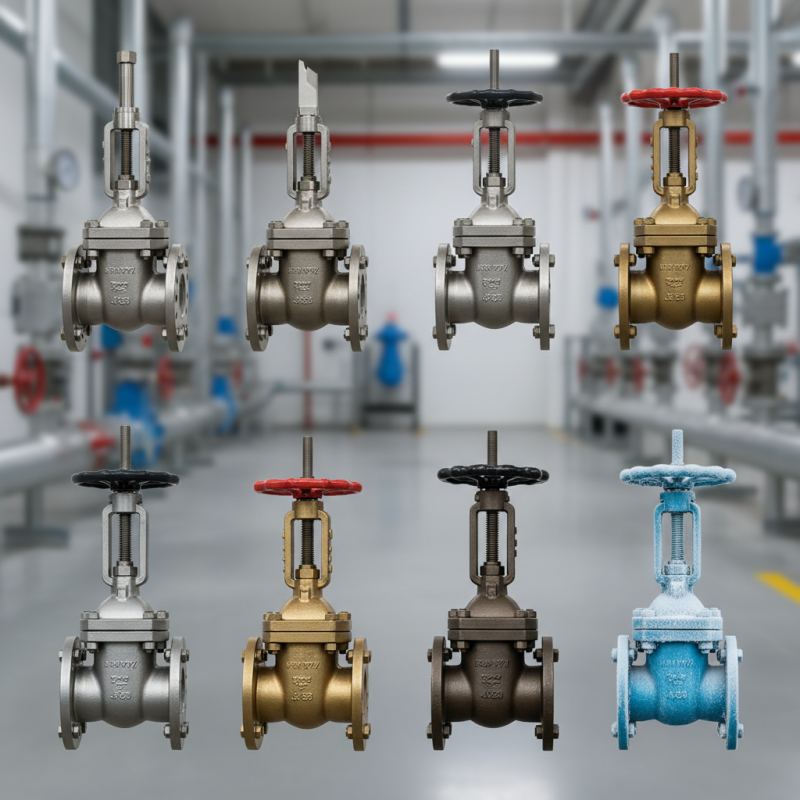
10 Best Gate Valve Types for Efficient Fluid Control?
Gate Valves play a crucial role in fluid control systems. Their efficient operation can significantly impact overall system performance. Choosing the right gate valve type is essential for ensuring optimal flow regulation.
Various gate valve types are available, each designed for specific applications. Some are built for high pressure, while others excel in low-temperature environments. Understanding these distinctions is vital for effective fluid management.
Many users overlook the importance of selecting the appropriate gate valve. This oversight can lead to inefficiencies and potential system failures. It’s essential to consider not just the type but also the size and material. Every detail matters in achieving the desired fluid control outcomes.
Overview of Gate Valves and Their Importance in Fluid Control
Gate valves are essential components in fluid control applications. They function by utilizing a sliding gate to enable or block fluid flow. This design allows for minimal pressure loss when fully open, making them efficient in various industrial processes. According to recent industry reports, proper valve selection can influence system performance by over 30%.
The importance of gate valves extends beyond basic functionality. Their ability to provide tight sealing helps minimize leakage, a critical factor in many operations. In a study conducted by the Fluid Control Institute, it was revealed that improper valve choice could lead to significant energy losses, sometimes as much as 20% in a typical system. Gate valves are reliable but require careful selection based on specific operational criteria. Over time, wear and tear may reduce their efficiency, prompting the need for regular assessment and potential replacement.
Fluid control systems face challenges, including maintenance issues. Gate valves can accumulate debris, affecting performance. In addition, while they are designed for on/off applications, prolonged use can lead to unintended leaks. Awareness of these limitations fosters better system management practices. Regular inspections and appropriate selection criteria help mitigate risks associated with gate valve inefficiency.
Key Factors to Consider When Choosing Gate Valve Types
When selecting gate valve types, a few key factors play a crucial role. First, consider the material. Common options include stainless steel, brass, and ductile iron. Each material has its unique properties, like corrosion resistance and pressure handling. According to industry reports, stainless steel valves can withstand higher pressures compared to brass. However, they often come at a higher cost. Evaluate your budget against your project requirements.
Another essential factor is the valve design. Full-port designs allow for maximum flow with minimal pressure drops. In contrast, regular-port gate valves restrict flow and can create turbulence in the system. A study published in the Journal of Fluid Engineering states that using a full-port valve can enhance efficiency by up to 25%. However, these designs may be bulkier and harder to install. Ensure you have adequate space for installation.
Finally, consider the operating conditions. Temperature and pressure levels will dictate the type of seal and actuator needed. High-temperature applications may require special sealing materials to avoid failures. Reports indicate that up to 30% of valve failures are due to unsuitable sealing. Therefore, aligning your gate valve choice with operating conditions is vital for long-term reliability and performance.
The 10 Best Gate Valve Types for Various Applications
When it comes to fluid control, choosing the right gate valve type is crucial. Various applications demand specific features. For instance, knife gate valves are excellent for handling slurries. They help in isolating flow without contaminating the medium. On the other hand, wedge gate valves are ideal for high-pressure systems. They provide a tight seal and are durable.
In many industrial settings, rising stem gate valves are preferred. They indicate the valve position clearly. However, not all situations require this type. Sometimes, a non-rising stem valve is better. It saves space and can be advantageous in confined areas. Swing bolt gate valves might also be considered for various applications, especially in waste management. However, their performance can sometimes falter under heavy loads.
Selecting the right type isn't always straightforward. Users often encounter challenges matching valves to their systems. Each application has unique demands. Some valves may have better sealing but lack durability. In contrast, others might be robust but not suitable for specific fluids. It's essential to weigh these factors carefully before making a decision.
10 Best Gate Valve Types for Efficient Fluid Control
This chart illustrates the efficiency ratings of various gate valve types based on their applications in fluid control systems.
Advantages and Disadvantages of Each Gate Valve Type
Gate valves are crucial for fluid control in various industries. Each type offers unique advantages and disadvantages that impact system efficiency. For instance, parallel disc gate valves provide a low-pressure drop, making them ideal for high-flow applications. However, they struggle with sealing reliability, especially in low-pressure situations. According to a 2022 report from the Fluid Control Association, nearly 30% of systems faced failures due to inadequate sealing in these valves.
Wedge gate valves are another popular choice. Their design allows for a tighter seal than parallel disc types. Reports indicate they perform well in both on/off service and throttling applications. Yet, they can suffer from wear and tear, particularly when used frequently for throttling. This wear may lead to costly repairs. The reliability rating for wedge gate valves hovers around 80% in harsh environments, reflecting their limited lifespan in certain conditions.
Another consideration involves the use of rising stem gate valves. These allow for easy visual indication of valve position. Still, their installation requires more space. Many facilities overlook this space requirement, leading to installation challenges. It’s vital for engineers to evaluate these drawbacks thoroughly before making decisions. Balancing the benefits with potential limitations is essential for optimal fluid control.
Maintenance Tips for Ensuring Optimal Performance of Gate Valves
Gate valves are essential for fluid control in various systems. Regular maintenance is crucial to ensure their optimal performance. According to industry data, approximately 30% of valve failures stem from inadequate maintenance practices. Simple inspections can prevent costly downtime and repairs.
One key maintenance tip involves regular cleaning. Dirt and debris often accumulate in valves, affecting their function. A study highlighted that routine cleaning can improve valve lifespan by 25%. Lubrication is another area to focus on. Using appropriate lubricants reduces wear and tear, enhancing the valve’s performance.
Moreover, pressure tests are vital. Many systems overlook this step, increasing risks of leaks. The American Society of Mechanical Engineers reports that regular pressure testing can identify weaknesses before they become serious issues. It's important to document all maintenance activities. This habit fosters accountability and allows for better tracking of performance over time.