What is the Best Class B Autoclave for Global Buyers?
Choosing the right Class B Autoclave is crucial for global buyers. This decision impacts efficiency, safety, and compliance in infection control. As a cornerstone in sterilization technology, Class B Autoclaves are essential in various industries, including healthcare and research. They ensure effective sterilization of instruments, providing peace of mind to professionals.
Many options are available, yet selecting the best Class B Autoclave can be challenging. It's important to consider factors like capacity, reliability, and features. Global buyers often face dilemmas about which brand offers the best quality and support. Some users report issues with maintenance and service after sales.
Investing in a Class B Autoclave should not be taken lightly. Research, expert reviews, and user experiences are necessary to make an informed choice. The right equipment can enhance safety standards and trust within organizations. However, overlooking essential details could lead to mistakes. Balancing features and budget is vital, but it requires careful evaluation and critical thinking.
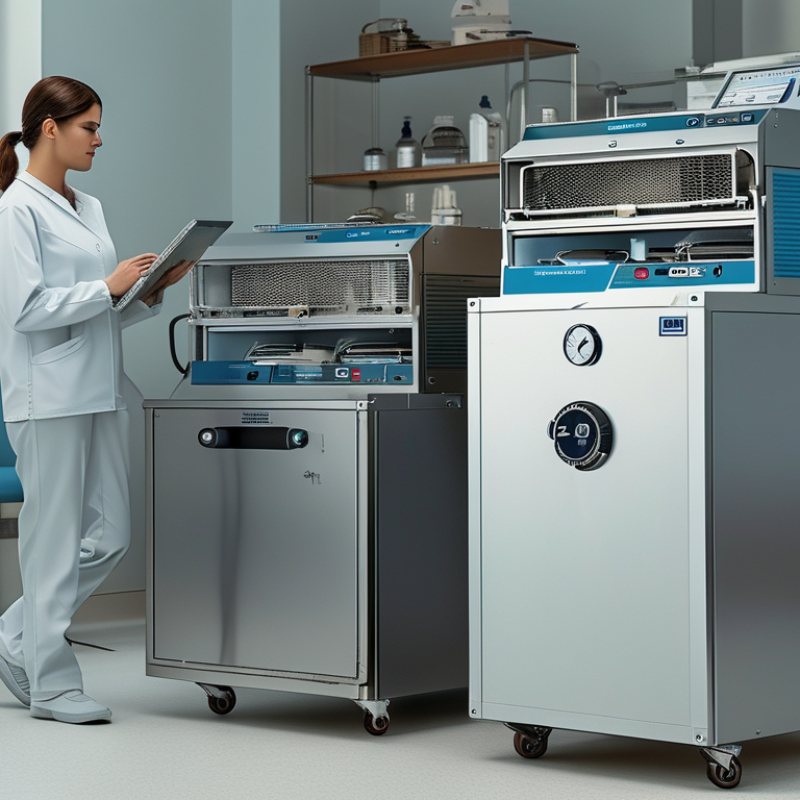
Factors to Consider When Selecting a Class B Autoclave
When selecting a Class B autoclave, several crucial factors come into play. Firstly, consider cycle time efficiency. Research indicates that a well-designed Class B autoclave can significantly reduce sterilization cycles, achieving effective results in under 30 minutes. This is essential for busy healthcare facilities aiming to optimize their workflow.
Another vital aspect is the sterilization chamber's capacity. A larger chamber allows for more instruments to be sterilized simultaneously, reducing the need for multiple cycles. Studies show that facilities with higher throughput often experience better operational efficiency. Additionally, the autoclave's automatic control systems are indispensable for maintaining consistent performance. Monitoring parameters like pressure and temperature is critical to ensure reliable sterilization.
Maintenance requirements also warrant attention. Some models demand more frequent servicing, which can lead to increased downtime. It's beneficial to choose an autoclave with user-friendly maintenance checklists and accessible support. Feedback from users reveals that lack of accessible maintenance can lead to hesitation in purchasing decisions. Exploring user experiences can illuminate these factors, guiding buyers toward informed choices.
Comparison of Key Features in Class B Autoclaves
This chart illustrates the comparison of key features in Class B autoclaves, including cycle time, chamber volume, heating time, weight, and price. These factors are essential for global buyers when selecting a suitable autoclave for their needs.
Top Features of High-Quality Class B Autoclaves
When considering a Class B autoclave, several features set the best models apart. One crucial aspect is the sterilization cycle efficiency. High-quality autoclaves often provide faster heating and cooling phases. This efficiency can dramatically cut down processing time, which is essential in busy clinical settings.
Another important feature is the monitoring system. Advanced models include built-in data loggers. These loggers ensure that every sterilization cycle is recorded accurately. Users can track cycles, reducing potential errors. It adds a layer of reliability that many facilities prioritize.
Durability and ease of maintenance also matter in selection. Autoclaves that are made from high-grade materials tend to last longer and need fewer repairs. Users sometimes overlook the importance of customer support and availability of spare parts. A lack of support can lead to significant downtime, which is frustrating and costly.
What is the Best Class B Autoclave for Global Buyers? - Top Features of High-Quality Class B Autoclaves
| Feature | Description | Benefits |
| Steam Quality | High-quality saturated steam for effective sterilization. | Ensures thorough sterilization and reduces the risk of contamination. |
| Control System | User-friendly digital control panel with programmable cycles. | Enhances ease of use and allows for customization of sterilization settings. |
| Capacity | Variety of chamber sizes to accommodate different loads. | Supports small to large scale sterilization needs. |
| Cycle Time | Fast cycle times for maximum efficiency. | Reduces waiting time and increases productivity. |
| Safety Features | Includes safety locks, pressure control, and alarms. | Minimizes risk of accidents and enhances operator safety. |
| Validation and Certification | Complies with international standards for sterilization. | Provides confidence in operational capability and reliability. |
| Maintenance | Designed for easy access and routine maintenance schedules. | Ensures longevity and consistent performance. |
Comparison of Leading Class B Autoclave Brands
When it comes to selecting a Class B autoclave, global buyers face various choices. The market is diverse, with different brands offering unique features. Quality, efficiency, and reliability are key factors to consider. Each brand presents a range of options, making it challenging to identify the most suitable one.
One important aspect to evaluate is the sterilization cycle efficiency. Some models can complete cycles in under an hour. This is a significant advantage in busy environments. Additionally, the user interface varies widely. Some units feature advanced digital displays while others maintain a more traditional setup. These differences can impact the usability for various staff.
Another critical point is maintenance and support. Brands offer different service packages post-purchase. Some might provide extensive warranties and quick access to customer service. Others might leave buyers on their own, raising concerns about reliability. It’s vital to consider not just the initial purchase but also the long-term support for your autoclave. Balancing features, support, and overall costs is crucial in making a well-informed choice.
User Reviews and Ratings for Class B Autoclaves
When selecting a Class B autoclave, user reviews play a crucial role. Buyers often share experiences that highlight performance and reliability. Many users appreciate the efficiency of these devices in sterilizing tools. Time-saving features are frequently mentioned. However, some reviews express concerns about maintenance costs. It's essential for potential buyers to consider these insights carefully.
User feedback often reflects the functionality of the autoclave. Some users note that installation can be tricky, requiring professional assistance. Additionally, noise levels during operation are a common topic. While many find this acceptable, others suggest it could be improved. Safety features are highlighted, with many reviews applauding their effectiveness. Yet, a few users have reported issues with certain models.
Reliability is a significant factor for users when choosing an autoclave. Many reviews indicate that consistent performance builds trust. But some highlight variations in product life spans, urging buyers to research thoroughly. Not all experiences are positive; some users suggest that more transparency in the user manuals would enhance understanding. Engaging with a community discussion can help in making informed decisions about the best Class B autoclave for various needs.
Cost Considerations for Global Buyers of Class B Autoclaves
When considering the purchase of a Class B autoclave, cost plays a pivotal role. The initial investment can vary significantly. Factors influencing this include size, features, and country of manufacture. Some models offer advanced technology, which may justify a higher price for better performance. However, costs extend beyond mere purchase price. Maintenance fees and operational costs can add up over time.
Buyers should also contemplate long-term reliability. A low-cost autoclave may seem appealing initially, but it could incur greater expenses later. Frequent breakdowns or inefficiencies may arise. Evaluating warranty and service support is crucial. These factors contribute to the lifetime cost of ownership. Conducting thorough research can mitigate risks.
Budgeting for a Class B autoclave requires careful thought. Assessing both upfront and ongoing costs ensures a better investment. Understanding specific needs and compliance requirements is equally vital. This two-pronged approach helps buyers make informed decisions that align with their operational goals.