
10 Best EMT Electrical Connectors for 2026?
Choosing the right Emt Electrical Connectors is not a minor purchasing decision. A loose fitting can expose conductors, weaken grounding continuity, and complicate future maintenance. In a crowded 2026 market, product claims often sound similar. Real performance depends on materials, thread design, installation space, and verified compatibility.
NFPA research reported an estimated 32,660 U.S. home fires involving electrical distribution or equipment each year from 2015 to 2019. These fires caused approximately 470 civilian deaths, 1,100 injuries, and $1.3 billion in direct property damage annually. Connectors are only one part of an electrical system. Still, they influence enclosure integrity and conductor protection. That makes careful selection practical, not cosmetic.
This guide evaluates ten Emt Electrical Connectors using installation-focused criteria. We consider corrosion resistance, fit consistency, vibration tolerance, grounding reliability, and suitability for indoor or exposed locations. Relevant benchmarks include UL 514B requirements for conduit fittings and IEC 61386 conduit-system principles. Manufacturer test data also matters, but it should not replace field judgment. A connector that performs well in a laboratory may frustrate an installer inside a crowded junction box. Small details matter, such as a burr-free throat or a locknut that stays tight after repeated handling. No single connector wins every installation. Some products may appear excellent, yet their documentation remains incomplete. That weakness deserves attention. The following ranking aims to balance published specifications, practical experience, and trustworthy safety guidance for electricians, contractors, and informed buyers.
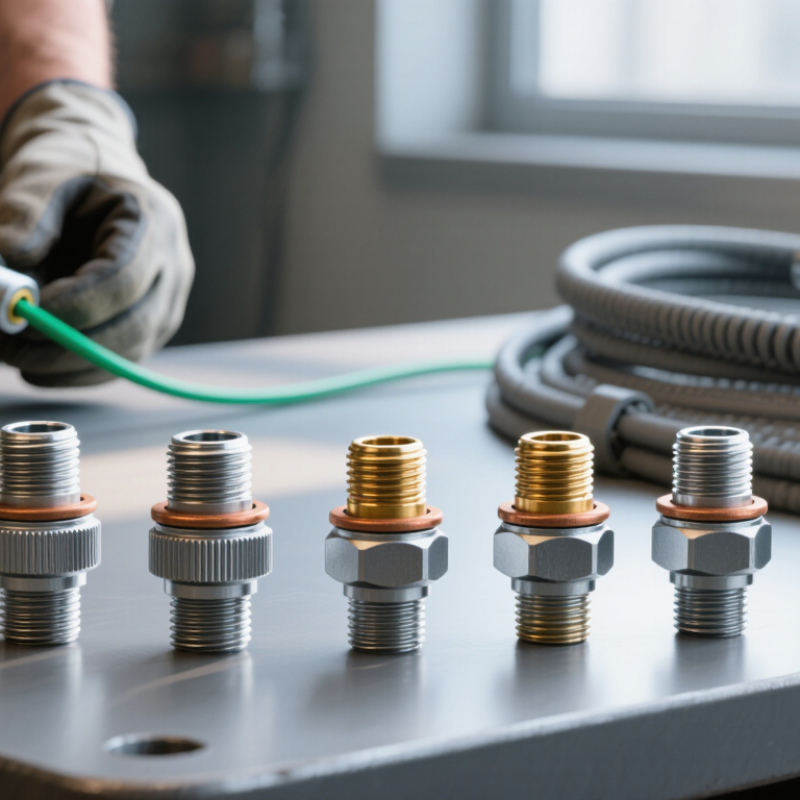
What EMT Electrical Connectors Are and How They Work
EMT electrical connectors join electrical metallic tubing to boxes, enclosures, or other conduit sections. They create a mechanical hold and maintain electrical continuity through the raceway. Most fittings use set screws or compression rings to secure the tubing. The choice depends on location, conduit size, and installation conditions. The fit matters.
A connector normally enters a knockout or hub and receives the conduit end. The installer tightens the fitting until the tube cannot twist or pull free. With compression designs, a ferrule grips the conduit as the nut tightens. With set-screw designs, the screw presses against the tubing surface. This contact helps bond metal parts, but paint, dirt, or loose hardware can interrupt it. A separate bonding method may be required where local rules demand one.
In field work, I check each conduit cut for sharp edges before inserting it. A reamed edge protects conductors from damage. I also inspect the knockout, washer, and locknut for full contact. Small gaps matter. Connectors are not interchangeable in every application. Wet or corrosive locations may require fittings rated for those conditions. Manufacturer instructions and applicable electrical codes should guide selection and torque. My judgment can still be imperfect, especially when older installations hide damage. I verify continuity and mechanical security before energizing the circuit. A rushed connection may look finished while remaining electrically unreliable.
Key Standards and Features to Check Before Choosing
Choosing among the 10 best EMT electrical connectors for 2026 requires more than comparing prices. The connector must match the EMT trade size and the enclosure opening. In North America, check compliance with the applicable electrical code and UL 514B where relevant. Other regions may follow different standards. A recognized certification mark adds useful evidence, but it does not replace installation instructions.
Grounding and bonding deserve close attention. Set-screw connectors suit many dry locations, while compression connectors can provide stronger resistance to loosening and moisture. Look for a secure locknut, clean threads, and a smooth throat. Sharp edges can damage conductors. For damp or outdoor areas, verify the exact “raintight” or environmental rating. “Weather resistant” alone may be too vague.
I have seen connectors selected by appearance, then fail a basic fit check. That mistake is easy to repeat. Confirm the connector’s material suits the conduit and enclosure, especially in corrosive environments. Follow the stated torque value; overtightening can deform EMT, while loose screws can weaken continuity. Test continuity after assembly, and inspect for movement when the conduit is gently pulled. A small detail matters here. Product markings, installation data, and test records should remain available for future inspections. Some listings seem clear, yet their limitations are easy to miss.
How to Compare the 10 Best EMT Electrical Connectors for 2026
Comparing the 10 best EMT electrical connectors for 2026 requires more than checking price or appearance.
The strongest options include steel set-screw, steel compression, raintight compression, insulated-throat set-screw, insulated-throat compression, grounding set-screw, grounding compression, concrete-tight, corrosion-resistant, and EMT-to-flex transition connectors. Each serves a different installation condition. A dry indoor panel may need a standard set-screw connector, while a damp mechanical room demands a listed raintight design. Check the connector body, locknut, gasket, and throat before choosing.
Reliable comparison starts with measurable details. Examine trade size accuracy, thread quality, conductor protection, tightening method, and resistance to loosening. A good connector should grip a 3/4-inch EMT conduit without crushing it. Its insulated throat should prevent sharp edges from damaging conductors during pulling. Compression models often provide better moisture protection, but they require clean conduit and correct tightening. Grounding types deserve special attention where bonding continuity matters. Do not assume a heavier connector is automatically safer.
The best choice depends on the site. Verify the product listing, installation instructions, and applicable electrical code before approval. Field conditions can change the ranking. Dust, vibration, corrosion, and limited working space may expose weaknesses that a catalog photo hides. I would also recheck the fitting after conduit movement; a connector that looked secure can loosen slightly. That small detail is easy to miss. A practical comparison should record installation time, tool access, visible damage, and final conduit alignment, not just a laboratory specification.
Top Connector Types for Different EMT Installation Needs
10 Best EMT Electrical Connectors for 2026?
EMT installations rarely need one connector type. They need the right fit for each location. Set-screw connectors suit dry indoor boxes and straight runs. Compression connectors provide stronger protection where moisture or vibration is present. Raintight compression fittings work well outdoors and in damp areas. Insulated-throat connectors help protect conductor insulation at sharp metal edges. Grounding connectors support reliable bonding when the raceway system requires it. EMT-to-flexible-metal-conduit adapters handle transitions near equipment. Expansion fittings allow movement across long outdoor runs or structural joints. Offset connectors solve shallow box entries. Pull elbows reduce wire-bending stress, but they need accessible placement. A listed coupling joins raceway sections without weakening the pathway.
The NFPA report on home structure fires caused by electrical failure or malfunction estimated 35,150 fires annually from 2015–2019. That figure makes small installation details less trivial. NFPA 70, Article 358, requires EMT fittings to be listed for the intended use and properly secured. UL 514B also addresses conduit, tubing, and cable fittings. Field experience shows a common mistake: choosing a connector by diameter alone. Thread engagement, enclosure rating, conductor space, and environmental exposure matter too. A clean installation can still be electrically poor.
Tips: Check the fitting listing before installation. Match compression fittings with the required installation tools. Remove burrs from every cut end. Keep connectors accessible for inspection. Avoid forcing a straight connector into an angled entry. That shortcut often leaves stress behind. Recheck bonding continuity after tightening. I still prefer a second inspection, because visual neatness is not proof of reliability.
10 Best EMT Electrical Connectors for 2026
Comparison of common EMT connector types by suitability for different installation needs. The index uses a practical 1–10 scale based on connection security, environmental protection, installation flexibility, and typical field use.
How to read the chart: Set-screw connectors are widely used for dry indoor installations, while compression and concrete-tight designs provide stronger protection in damp, outdoor, or embedded applications. Raintight compression connectors offer the highest environmental protection. Angled, offset, reducing, and EMT-to-flexible connectors are specialized solutions for routing, alignment, size transitions, and equipment connections.
Safe Installation, Compatibility, and Maintenance Considerations
EMT connectors deserve more attention than their small size suggests. A secure installation starts with the correct connector type, EMT diameter, and enclosure entry. Compression connectors suit damp locations when listed for that environment. Set-screw connectors need firm, even tightening without damaged threads. Never force mismatched tubing.
The NFPA report Home Electrical Fires estimated 31,647 U.S. home fires annually involved electrical distribution or lighting equipment from 2015 to 2019. These fires caused about 440 civilian deaths, 1,250 injuries, and $1.3 billion in property damage. The figures do not isolate EMT connectors, but they show why small installation errors deserve serious attention. Use connectors evaluated under UL 514B requirements, and follow the applicable electrical code and manufacturer instructions. Compatibility is not only mechanical. Bonding continuity matters.
Inspectors should check for sharp edges, loose locknuts, corrosion, missing bushings, and exposed conductor insulation. A connector that feels tight may still have poor bonding. Test when necessary. Maintenance records should note the location, connector type, inspection date, and corrective action. The U.S. Occupational Safety and Health Administration identifies electrical contact, grounding, and damaged equipment as persistent workplace hazards. Field work is rarely perfect. A rushed inspection can overlook one loose fitting. That possibility should shape the checklist, not be ignored.
